Nobody wants to talk about gutting a deer in the dark. The photos you see are always trophy shots — clean hands, big smile, antlers in frame. What they don’t show is what happened an hour before that photo, when the sun set, your flashlight died, and you were kneeling in leaves trying to remember which YouTube video said to cut toward the pelvis or away from it.
That was my first solo deer. Shot at 4:45 PM in late November. Found at 5:30. By the time I stopped shaking and started the work, it was dark. Proper dark — no moon, overcast, the kind of dark where you can’t see your own hands.
I had a headlamp in my pack. Batteries were dead. Spares were in the truck, two miles away.
The Checklist I Didn’t Have
Here’s what was in my pack that night: a knife, a drag rope, a bottle of water, and a granola bar. Here’s what wasn’t: spare batteries, a second light source, gloves, wet wipes, a garbage bag for the heart and liver, game bags, or — most importantly — any kind of plan.
I gutted that deer by feel, using my phone screen for light, switching it on and off to save battery. When I got blood on the screen, I wiped it on my pants. When my pants were too bloody, I wiped it on leaves. The field dressing took forty minutes. It should’ve taken ten.
When I finally got back to the truck at 9 PM, I had blood up to my elbows, a dead phone, no water left, and a deer that was half-filled with dirt and leaves because I couldn’t see what I was doing. I sat in the driver’s seat for ten minutes, staring at the dashboard, not proud of anything.
What My Kill Kit Looks Like Now
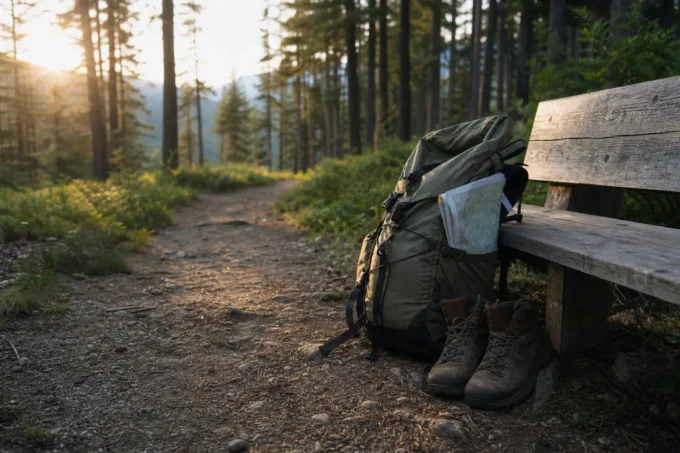
That night taught me something obvious: field dressing is a job, and every job goes better when you have the right tools. Here’s what I carry now, every single sit, no exceptions:
- Two headlamps. Not one. Two. With fresh batteries in both, and spares in the pack. A Petzl on my head and a cheap backup in the bottom of the bag. Light is not optional.
- A fixed-blade knife with a gut hook. I used to carry a folding knife. Folding knives fill up with fat and hair and blood and become disgusting, slippery messes. A fixed blade rinses clean and doesn’t fold on your fingers when you’re wrist-deep in a chest cavity.
- Shoulder-length disposable gloves. Not the thin food-service ones. The heavy black nitrile ones that go up past your elbows. They cost about a dollar a pair. Worth a hundred.
- A small folding saw. For the pelvis and the sternum. You can crack the pelvis with a knife if you know what you’re doing. I didn’t. The saw takes thirty seconds.
- Game bags. Cloth, breathable, reusable. Not plastic garbage bags that trap heat and spoil meat.
- A ziplock with wet wipes. You’ll want to clean your hands before you touch your phone, your water bottle, your face, or anything else you own.
- A drag harness. Not a rope tied around the antlers. A harness that goes over your shoulders. Your back will thank you when you’re forty.
The Real Lesson
The lesson wasn’t about gear. It was about respect. I’d spent so much time thinking about the shot — the rifle, the scope, the ammo, the zero — that I forgot about the animal. The moment the deer hit the ground, my job wasn’t done. It was just starting. And I was completely unprepared for it.
If you’re a new hunter, don’t make my mistake. Spend less time at the range and more time learning what happens after the shot. Watch videos. Talk to experienced hunters. Assemble your kill kit before you need it, not while you’re standing over a dead deer in the dark with a dead headlamp and blood on your phone screen.
The shot takes a second. The work takes hours. Plan for the work.