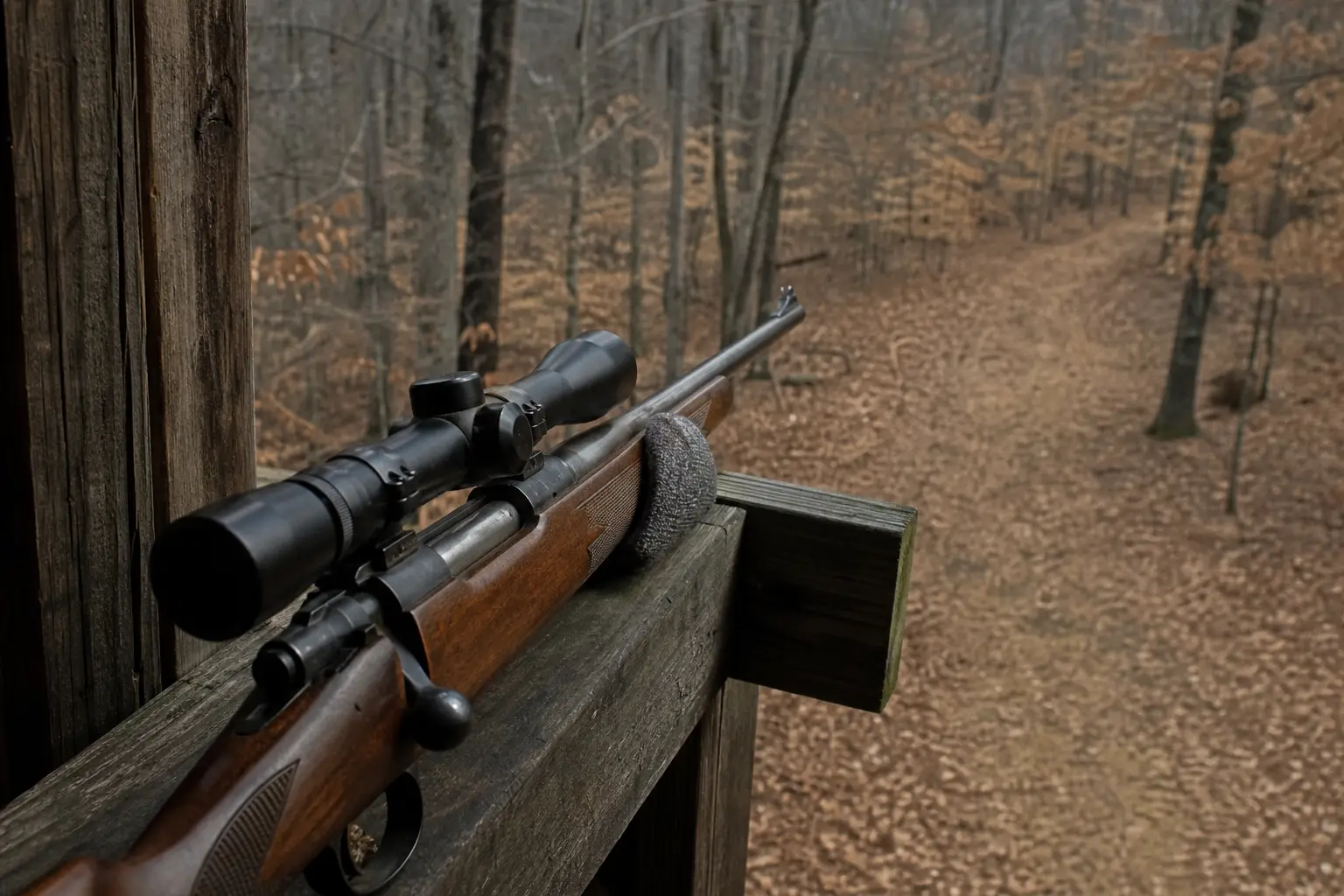
I saved for two years for that rifle. The whole time I did the math in my head the way a kid counts down to Christmas, selling a truck tool box I never used, skipping the coffee pot in favor of the thermos, putting back every ten dollar bill in a coffee can on the shelf. When I finally walked it out of the store I did not feel broke, I felt like a man who had earned something. And then, standing at the counter, I did the stupidest and most common thing a hunter can do. I pointed at a scope in a blister pack, the kind of scope the store keeps in a wire basket by the register like a pack of gum, and I said, that one. Forty dollars. I had nine hundred dollars worth of rifle and I bolted forty dollars worth of glass to the top of it and called the whole thing done.
I want you to know that I did not think I was being cheap. I thought I was being smart. I told myself the rifle did the work and the scope just held still and pointed, and any tube with a crosshair in it would do the same job as any other, and the money was better off in the barrel and the stock, which is a thing an awful lot of men tell themselves because it lets them walk out of the store happy on a Tuesday instead of saving another three months. I told myself a scope is a scope. That sentence cost me a buck.
Opening Morning, One Hundred and Forty Yards
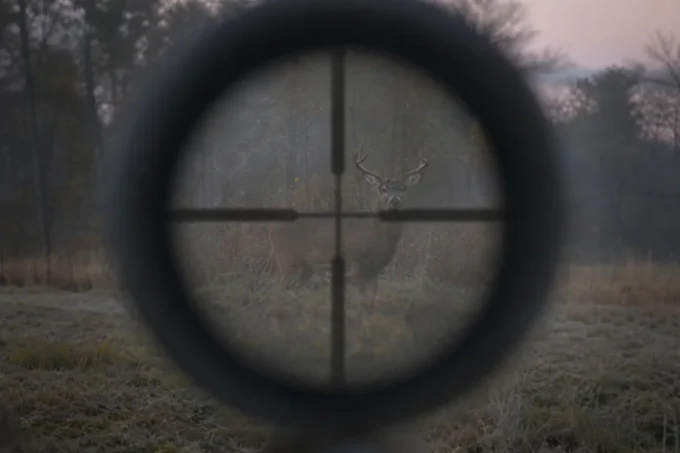
I had the rifle zeroed on a paper target on a calm afternoon, and on a calm afternoon paper target that scope looked fine, because everything looks fine when the light is flat and nothing is moving and there is no deer standing broadside in front of you. Opening morning I was in my stand before light, and when the sky went gray and a good eight point stepped out of the brush at about one hundred and forty yards, I put the cheap crosshair on his shoulder and I could not see him. Not the way it matters. The glass was dim at the edges, the way a scope gets when the tube is half filled with a cloudy smear, and in that low first light the whole picture went gray and soft, and the crosshair itself was so thick that at one forty it covered the top half of the deer like a fence post laid over a postcard.
I had read that a man should wait for a good shot and I believed it, but standing there with my heart knocking I aimed for the middle of that gray shape the way you aim at a shadow you do not trust, and I squeezed, and the buck took one jump and was gone into the timber and I sat there trying to figure out through the fog of that glass whether I had hit him or not. I had not. I had shot clean over his back, and I knew it the second the scope picture settled, because for one bright terrible instant as the rifle came back down I could see the whole deer there in the middle of a lens that would not give me a clean edge on him, and I had aimed at the whole animal instead of the spot behind the shoulder because the whole animal was all that forty dollars would show me.
The Scope Is the One Part That Has to Work
Here is the thing nobody tells you until you learn it the hard way, and it took me exactly that many years in the stand to learn it. The rifle can be a masterpiece of steel and walnut, and the barrel can hold half a minute all day long, and the trigger can break like a glass rod, and none of it matters if the one thing between your eye and the animal is a forty dollar piece of frosted plumbing. The scope is the part that has to work every single time, in the rain, in the fog, in the dark, with a buck standing still for three seconds at a distance you did not plan for. It is the only part that you look through, and if you cannot see clearly, you cannot shoot well, and if you cannot shoot well, you should not be shooting at a living thing in the first place.
There is an old rule of thumb a lot of men pass around, and I heard it a hundred times and waved it off the same way I waved off my granddad when he spat tobacco and told me a rifle is only as good as what you set on top of it. Spend as much on the glass as you do on the gun. Not always to the dollar, but the point stands. The scope is not a place to save your money in the same way that a parachute is not a place to save your money. The barrel throws the bullet, the scope is what makes sure it goes where the deer is standing, and if you are going to be honest, the scope is the harder job. The bullet only has to fly straight. The lens has to tell you the truth in the dark while your hands are shaking.
What I Bought the Second Time
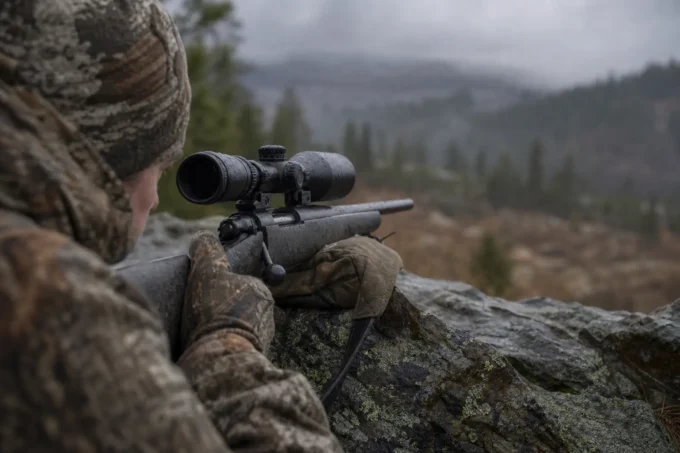
I sold that forty dollar tube for ten dollars to a man who wanted to hang it on a pellet rifle, and I saved for real glass, and the difference was not a luxury, it was the difference between guessing and knowing. A clean scope at first light gives you an edge on the animal, a line you can actually put on the crease behind his shoulder instead of over the whole gray shape of him. The crosshair sits fine instead of fat. The picture stays bright at the edges instead of going to cotton in the half light. And when the buck steps out and your heart starts up, the last thing you are fighting is your own equipment, because the glass does what you paid it to do.
I cannot tell you my second season ended in some ten point record that made the whole story worth it. It did not. What changed is that I killed a clean doe at one hundred ten yards in rotten early light, and I put the crosshair on the exact spot I meant to, and I watched her drop the way an honestly hit deer drops, and I did not feel the sick gray guesswork I had felt the year before. The rifle was the same rifle. The man was the same man. The only thing that changed was the forty dollar scope sitting on top of it, and that one change was the difference between a clean kill and a shot I should never have taken.
Spend the Money Where the Shot Is Made
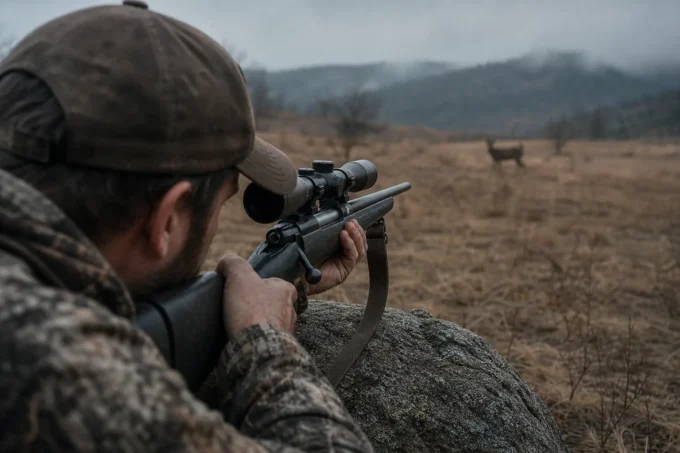
If you take one thing out of this, let it be this. The next time you are standing at the counter with a good rifle in your hand and a basket of blister pack scopes to your left, do not tell yourself a scope is a scope. That sentence is a lie the whole industry is counting on you to tell yourself, and it will cost you exactly one clean shot, one buck, and two years of wondering why a nine hundred dollar rifle keeps missing the deer you can plainly see. A scope is not where you save money. It is where you spend it, because it is the one part of the whole rig that has to be right every time, and the right glass will outlive the rifle you set it on and go on to the next one, and the next one after that.
Save for the rifle. Then save again for what goes on top of it. Your eye, your shot, and the deer all deserve better than forty dollars worth of fog.