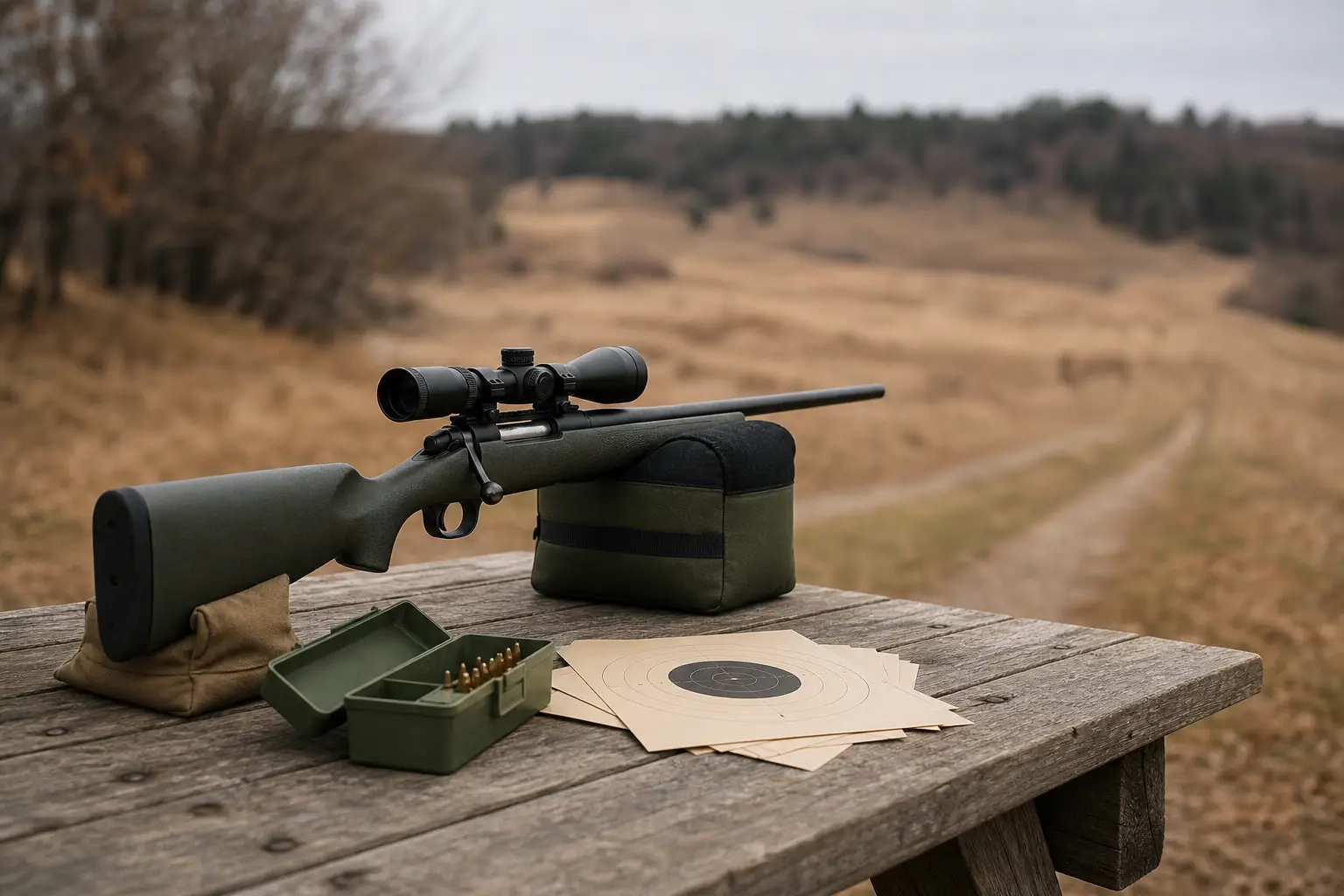
For three straight summers I saved up for a rifle, and when I finally had the money I did the classic thing. I bought the rifle and then went cheap on everything else. But the rifle itself was a little .223 bolt gun, the kind that shoots so flat and so tight you start thinking you are better than you really are.
I put a decent scope on it, more out of shame than wisdom, because my cousin told me the rifle deserved it. Then I spent a whole off season at the bench turning three shot groups into one ragged hole. A hundred yards, then two hundred. By August I could tell you exactly where that bullet was going before I pulled the trigger. I had a tack driver and I knew it.
The rifle that could, and the law that said it could not
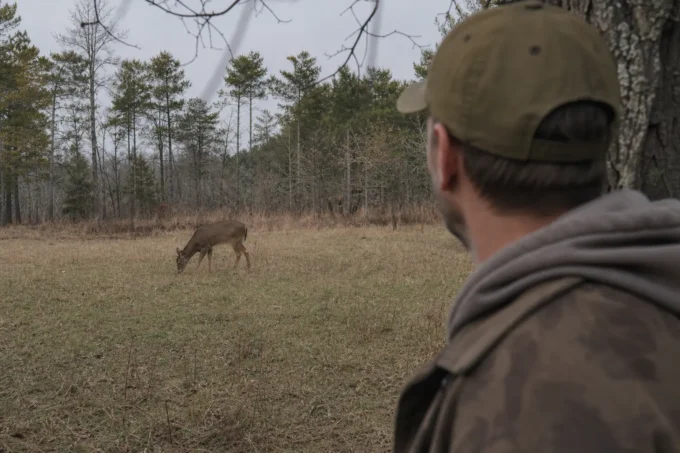
Opening morning found me in a hang on stand on my uncle’s forty acres, watching a clearcut edge, feeling like a man who had prepared for ten months. A doe walked out at about eighty yards, broadside, dead calm. I settled the crosshair behind her shoulder and waited for the go ahead my brain always needed, the one that says the angle is right and the light is right and there is nothing between you and the lungs.
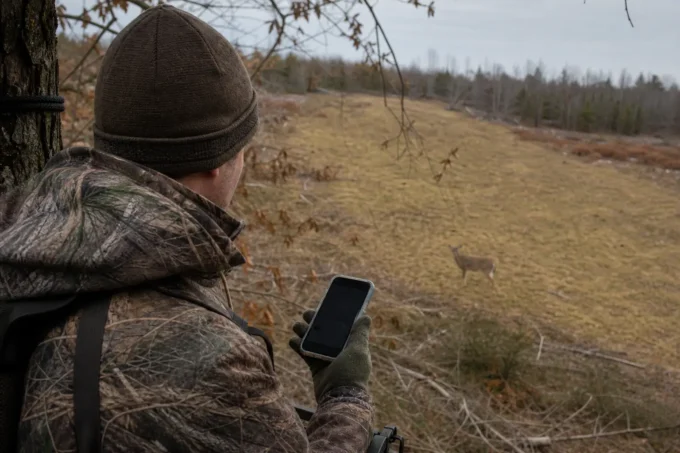
Then my uncle, who was sitting about a hundred yards over on a stump, sent a text that changed my whole year.
Tell me that is not the .223.
I stared at the phone. The doe was still standing there like a gift. I texted back the only answer I had, which was the truth. It is. What about it.
He called. And in the flattest voice a man can use while trying not to spook a deer, he told me the .223 was not legal for deer. Not in our state. The rule says a centerfire rifle has to be over a certain caliber, and a .223 falls under it, so my tack driver was going to be a very expensive way to watch deer walk away all season.
The five minutes I spent trying to argue with a deer
I did what any idiot does when he realizes he has been wrong for ten months. I argued. I sat there with the doe still feeding and I tried to explain to myself, silently, that my rifle was enough. It shoots a ninety grain bullet. I have killed coyotes with it. I can hit a milk jug at two hundred yards every single time. There is no way this law is about what a bullet can do.
And here is the part that still makes me laugh, because it makes the whole thing feel like a prank. My uncle, still on the phone, says, You know you could carry your wife’s little nine millimeter pistol out here and that would be legal. Over a certain barrel length, over a certain caliber, a handgun is fine. But a .223 centerfire rifle, that shoots flatter and hits harder at distance, that is where the state draws the line.
A Glock 19 in a holster. Legal. A rifle that groups under an inch at two hundred. Not legal. Same afternoon, same deer, same woods.
I let the doe walk. Not because I wanted to, but because the thought of getting caught, and of having to explain to a warden why I thought I knew the law better than the law did, was enough to keep my finger off the trigger. I sat there until she melted back into the timber, and then I sat there some more, feeling like a man who had practiced for the wrong test.
Where the line actually is, and why I stopped being mad
The truth is the rule is not about whether a .223 can kill a deer. It can, and I know it can, and so does everybody who wrote the law. The rule is about the old argument over whether a tiny, fast bullet is enough when a shot is not perfect, when a deer is quartering toward you, when the light is gone and the range is honestly more than you think it is. A lot of states took the .223 out of the deer woods because they decided the margin for error was too thin, whether or not that matches what happens on a calm clearcut at eighty yards.
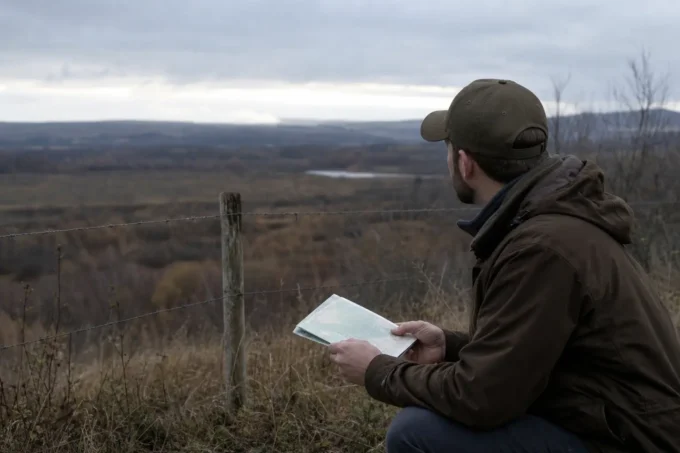
What made me stop being mad was sitting down with the regs about a week later, actually reading them front to back instead of skimming them over coffee like I had done every other year. And I found half a dozen things I did not know. Little stuff. Blaze orange percentages on certain days. A rule about how many shells you can have in a gun at different times of year. The kind of fine print a man skips and then discovers on opening morning with a warden standing behind him.
The silly rule was not silly. It was just a rule I had decided did not apply to me because I liked my rifle. That was the part that stung. The state did not confiscate anything or fine me or even yell at me. It just quietly expected me to know the game I was playing, and I had spent ten months learning one rifle and zero minutes learning the rules around it.
The second rifle and the lesson that stuck
I did not sell the .223. I still shoot it all the time, and it still makes me feel like a better marksman than I am. But before the next season I bought a proper deer rifle, a .308, and I read the regs so many times the paper got soft. Opening morning, a year later, a buck stepped out on that same clearcut, and I put one clean through him and did not have to think about whether my rifle was legal. Not because I had memorized the law, but because I had bothered to ask, which is a different thing.
My uncle still brings up the phone call every fall. You gonna bring the Glock this year, or the real gun. I laugh, because he is not wrong, and because the joke is on me and always was. The rifle was never the problem. The man who picked the rifle without picking up the rulebook was.