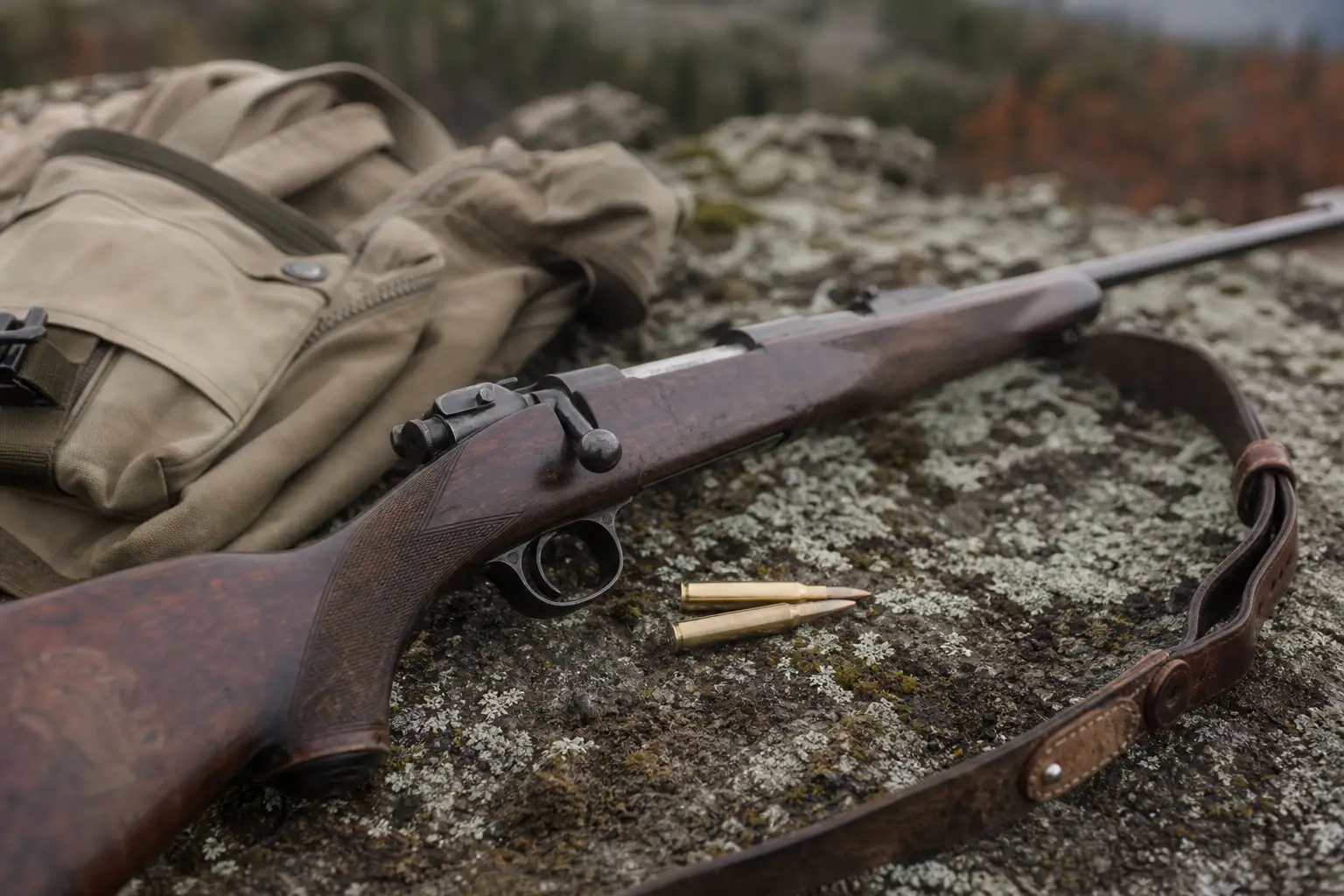
For fifteen years I believed the rifle you carried said something about the kind of man you were. Not in the way you might think. I didn’t want a cannon. I wanted a secret handshake. Something the guys at the processor would nod at, the way they nod when you pull a .257 Roberts out of a soft case and they say “that’s the good old days there.” I wanted to be the only man on the ridge carrying one.
So for fifteen years I chased cartridges that were cool the way a ’62 Chevy with a straight-six is cool. Obsolete on purpose. Classy because they’re hard to feed. I told myself I was a purist, a student of the old school. What I actually was, was a man who spent more October nights on the phone hunting a box of shells than I ever spent in the woods hunting a deer.
The Bob
It started with a .257 Roberts, a rifle my uncle called “the Bob” with the kind of reverence men usually save for dead presidents. Twenty-five caliber. Necked down from a 7×57 Mauser. The old gun writers called it the best whitetail cartridge ever made, and I read every one of them through scratched reading glasses I didn’t even need yet.
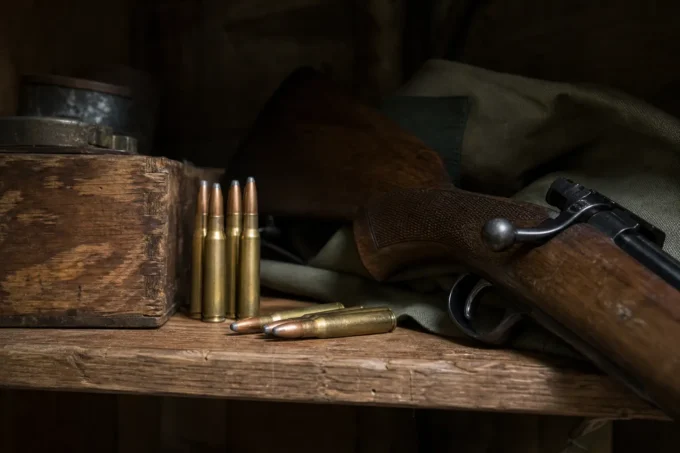
Here is what the old gun writers did not mention, because they wrote in a time when every feed store had a dusty shelf of .257 and a man could mail-order a hundred rounds for what a movie ticket costs today. Here is what they neglected: by the time I bought my first .257, you could not buy ammunition for it in most of the country. Not at a gun shop. Not at a big box store. If you were lucky, a place three towns over had one box of seventy-five grain varmint loads, and you’d pay for it like it had been pulled out of a museum.
I learned this the week before opening day of my second season carrying the Bob. My range ammo was gone, my hunting ammo was down to nine rounds, and I had shot my last check to confirm zero the previous Sunday. The gun shop guy laughed, not mean, just tired. “Ammo’s a bitch for the Bob,” he said. “Ain’t a common cartridge anymore. You want a quarter bore these days you’d be better off with a 25 Creed.”
I bought the Roberts anyway. I’d spent two months convincing myself I was the kind of man who could handle an uncommon cartridge, and backing out now felt like admitting I wasn’t.
The Lesson I Kept Paying For
The Bob shot fine. It shot fine the whole season, because I never fired it at a deer. I fired it twice on Monday morning at a buck I couldn’t pass up, and I missed both times. Not because the rifle was bad. Because I’d been so scared to burn my last shell at the range that I’d memorized where it hit instead of knowing where it hit. Nine rounds. What man practices with nine rounds?
A man who bought a secret handshake instead of a rifle, that’s who.
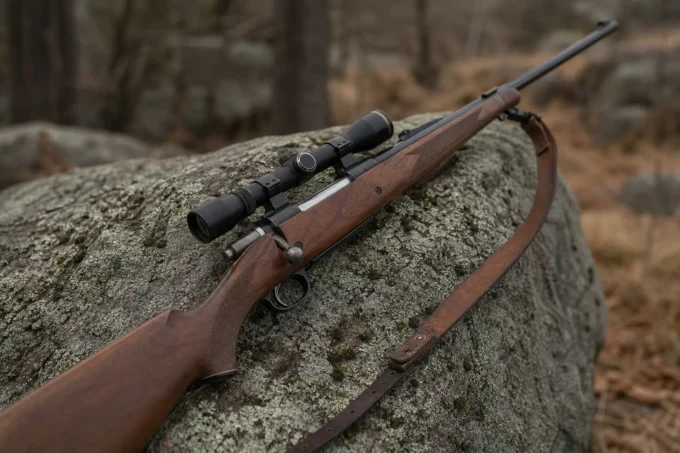
You would think I’d have learned. I did not learn. I doubled down. The next handful of years I ran through a 6mm Remington (also Mauser-based, also impossible), a .300 Savage I found for a steal in a pawn shop, and a .35 Remington that I loved so much I nearly cried every time I had to pay for the four boxes a year I could scrounge. Every single one of them shot well. Every single one of them sat in the safe more often than it rode to the stand, because I could never afford to feed any of them enough to trust them.
I told myself this was virtue. Scarcity meant I was being deliberate. Every shell I touched was meaningful, like money in the old country. What I was doing was hoarding. I was a man pretending poverty was discipline.
The Hardware Store
The change came from a guy I didn’t even like much. Big loud fella at deer camp one year, bragging about his .243 like it was a miracle. I rolled my eyes the way I always did, the way a .257 man is supposed to roll his eyes at a .243. Then he said something that got under my skin like a splinter.
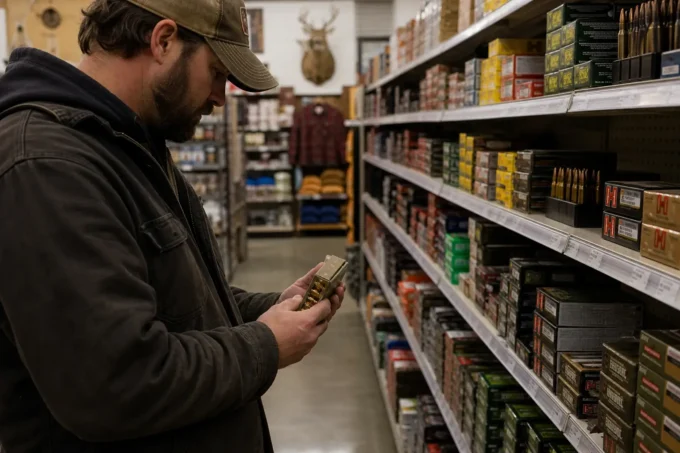
“I walk into any hardware store on earth,” he said, “and I find my shells. You’re ordering yours online like you’re buying contraband. And for what? So you can be the special one at the check station?”
He was right, and I hated him for it.
A friend of mine who load his own had a gentler name for it. He called my .257 “a secret handshake at deer camp.” Then he said the quiet part out loud. “A handshake don’t kill deer. A bullet you can actually practice with kills deer.”
Somewhere in there I finally heard it. I had spent fifteen years building an identity out of ammunition availability, which is to say I built an identity out of a logistics problem. The cartridge doesn’t care if it’s classy. The deer doesn’t care if it’s classy. The only thing that cares if the cartridge is classy is the man telling himself a story at the gun counter.
What I Shoot Now
I still have the Bob. It’s a beautiful rifle and it deserves better than a man who never feeds it. But the rifle that rides to the stand now is a .243 that I can walk into any store in the country and buy ammunition for, sixty rounds at a time if I want, because sixty rounds is nothing to a .243. I practice all season now. I burn shells at paper because I can afford to, and because a man who shoots two hundred rounds a year is a man who hits what he aims at, while a man who shoots nine rounds a season is a man who prays.
There is a name for the cartridges I avoided for fifteen years, and I only learned it after I stopped avoiding them. They are called Hardware Store Cartridges. The .223, the 30-30, the .243, the 6.5 Creedmoor, the 7mm-08, the .308, the .270, the 30-06. They aren’t glamorous because they don’t need to be. They’re on every shelf in every town in America, and that is the entire point.
Here is the thing nobody tells you when you’re young and convinced that the right gun is the cool gun. A boring cartridge that you can afford to shoot every weekend will make you a better hunter than a classy cartridge you can’t afford to shoot at all. The animal doesn’t know the difference between a .257 and a .243. The freezer doesn’t know the difference. But your shooting does. You shoot different when losing a shell feels like losing a family heirloom.
I’m not telling you to sell your granddad’s .257 or that old .300 Savage. I’m telling you the truth I wish somebody had told me with a straight face when I was twenty-four. If it’s your only rifle, and you can’t find shells for it in the town where you hunt, it’s not a rifle. It’s a secret handshake with no one else in the room.
And a handshake never put a buck in the truck.