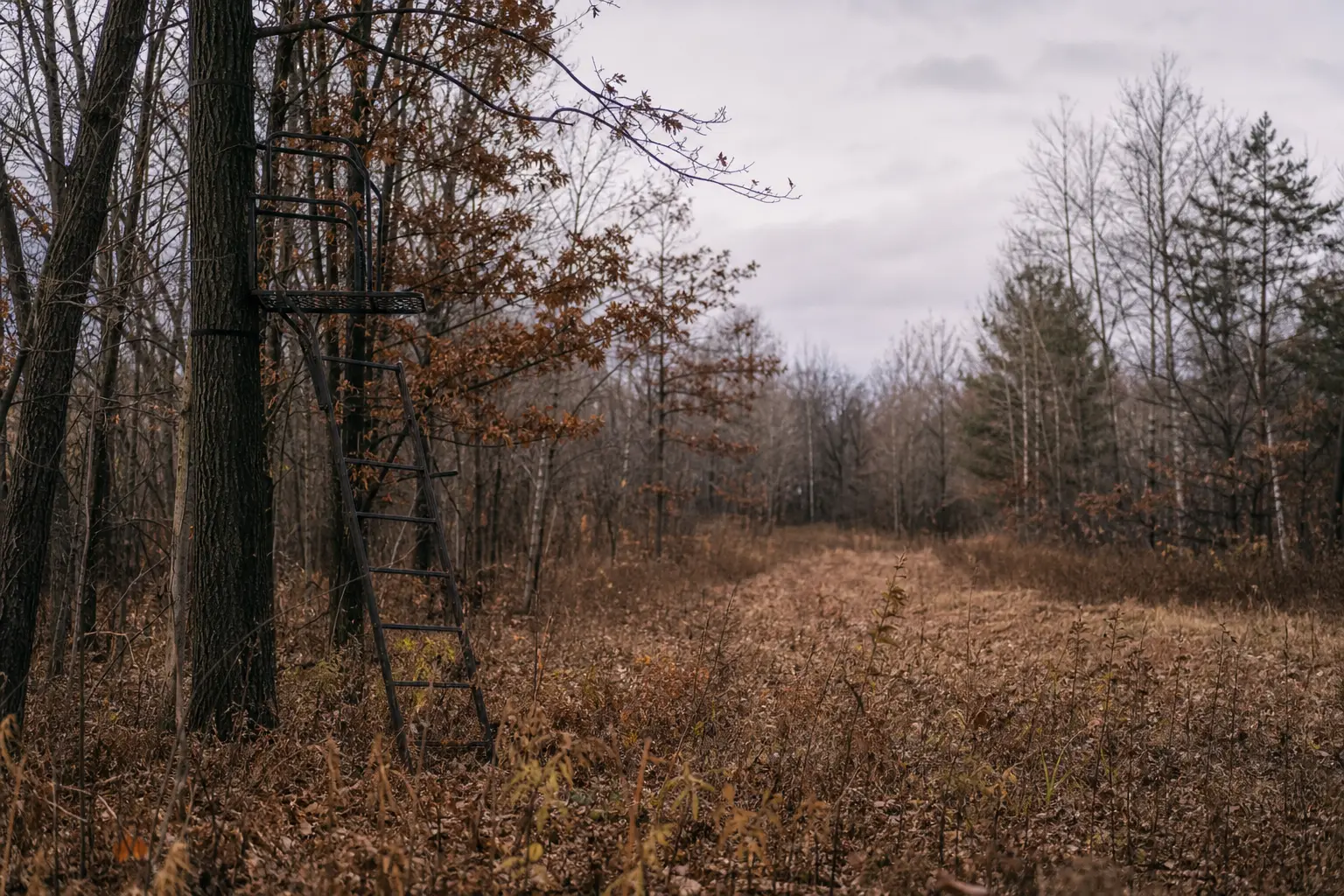
The buck dropped like somebody cut his legs out from under him. One shot from the .30-06, a sound like a wet board smacking a fence post, and he was down. Flat. Not twitching, not kicking, nothing. One second he was standing broadside at eighty yards working a scrape, and the next he was a brown lump in the dead ferns.
I did what every twenty-three-year-old does in that moment. I hollered. I set the rifle down. I started down the ladder stand two rungs at a time, phone already in my hand to text my brother. I had done it. First buck of the season, and he never even took a step.
I got to the bottom and was maybe forty yards from him, walking fast, not even thinking about reloading or keeping my eyes on him. And that brown lump stood up.
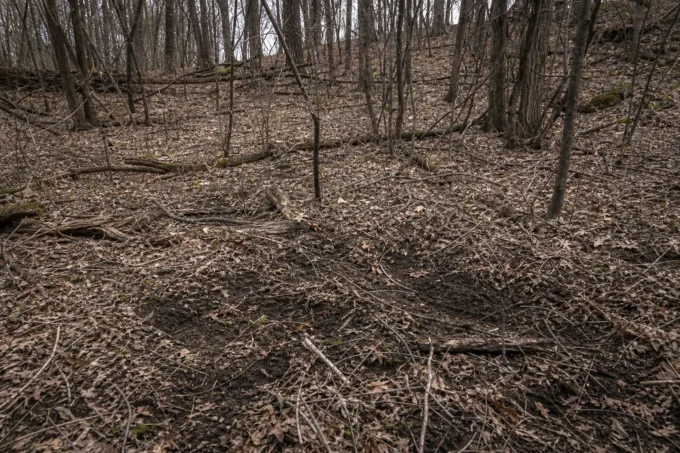
I have watched deer run before. I have never watched one leave the ground like that. He exploded out of the ferns and hit the brush at a dead sprint, tail up, and by the time I got the rifle back to my shoulder he was gone. No blood where he fell worth talking about. I spent the next four hours walking that whole draw and the ridge behind it and never saw him again.
The Mistake Wasn’t the Shot
Here is what I told myself for the drive home: the shot was good, the deer was just tough, and I got cheated. I told my brother the same thing. The lie held together for about a week, right up until my uncle Walt asked me to walk him through it and then just shook his head.
“A deer that drops straight down like that,” he said, “you just stunned something in his spine. He was never dead. He was down for a minute. You walked up to him like he was a hay bale.”
I wanted to argue. But the more I thought about it, the worse it got. The shot had gone a little high, through the back half of the ribs. Close to the spine, sure, but not a double-lung, not a heart shot. I had knocked him down with a temporary shock to his nervous system, and instead of finishing the job I had practically walked over and knocked on his shoulder and told him good.
Down Does Not Mean Dead
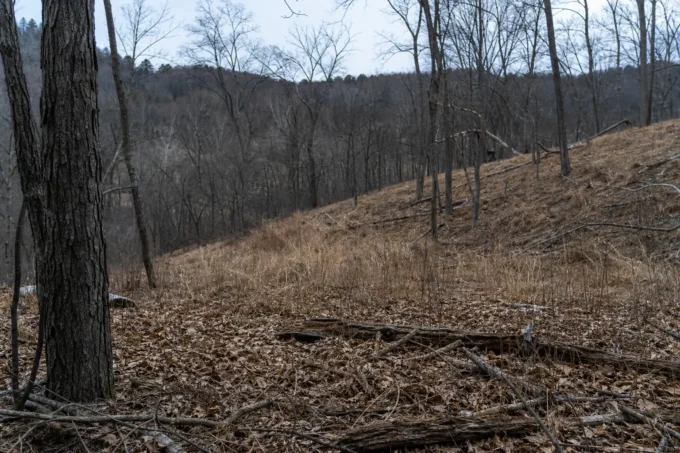
That is the lesson, and it sounds so stupid written out that I was embarrassed to learn it. A deer on the ground is not always a dead deer. A hard hit can stun the spine and drop an animal flat while the heart is still beating fine and the head is still up, waiting for the chance to run. A broadhead or a bullet that clips or shocks the nervous system can lay a deer down without killing it clean, and he will sit there half a minute or five minutes until he decides the danger walked away. Then he stands up and sprints.
I have talked to enough old hunters since to know I am not the first idiot to climb down early. The stories all match. The buck drops, the hunter grins and starts down, and halfway to the ground the buck is up and gone like a rabbit kicked out of a brush pile. Some of them found the deer later, sick or dead a quarter mile off. Most of them, like me, found nothing but a brown mark in the grass and four hours of walking.
Walt put it in his usual one line. “Any time you are down out of that tree, you ain’t done hunting.” I hated how right he was.
What Changed the Next Time
I did not buy anything. I did not need gear. I needed to stop acting like the shot was the end of the story and the field dressing was just formality. The walk up to a downed animal is a hunt too, and I treated it like a victory lap.
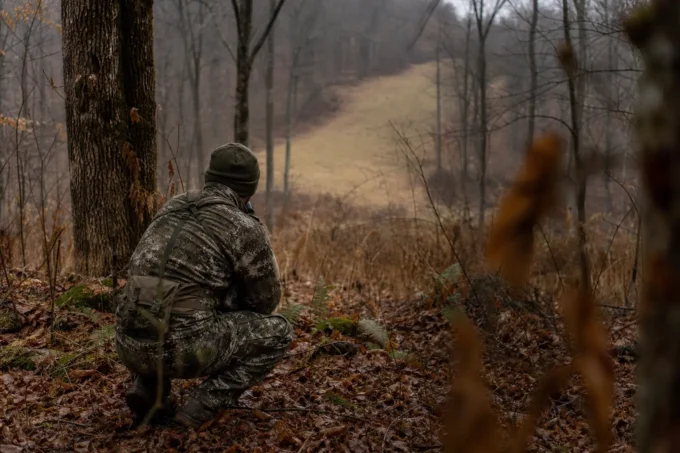
Now the routine is different from the second the deer goes down. I stay on him through the scope and watch. Not for two seconds. For several minutes, long enough to see if his head is up, if he is breathing, if he is trying to push up on his front legs. If there is any doubt at all, I chamber another round and I keep it on him.
When I do climb down, I come in slow and I come in ready, rifle up, from a side I can see his eye. Not marching in whooping with my phone out. I watch for the ears and the head. A dead deer is limp and gone when you are close. A stunned deer is a coiled spring wearing a brown coat, and he will tell you which one he is the second you get careless.
The follow-up, if it is needed, happens from a few yards, clean, and right then. I stopped being afraid of the second shot and started being afraid of the animal suffering because I was too proud and too rushed to make sure the job was finished.
The Buck I Finally Did Right
Two seasons later I killed a heavy eight point in almost the same draw, from the same stand, with the same rifle. He bucked once and ran twenty yards and piled up. I still did not move. I sat there and watched him through the scope until my arms ached, until I was sure he was down and staying down. Then I climbed out slow, came in with the rifle up, and put a hand on his eye before I ever took out my knife.
It did not feel like less of a celebration. It felt like the first honest one. I had earned it twice, once with the shot and once with the walk.
Deer will teach you what you will listen to. The first buck I killed taught me that the minute a man stops paying attention, the woods hand that animal a second chance. The second buck taught me I only had to watch, and wait, and finish what I started.