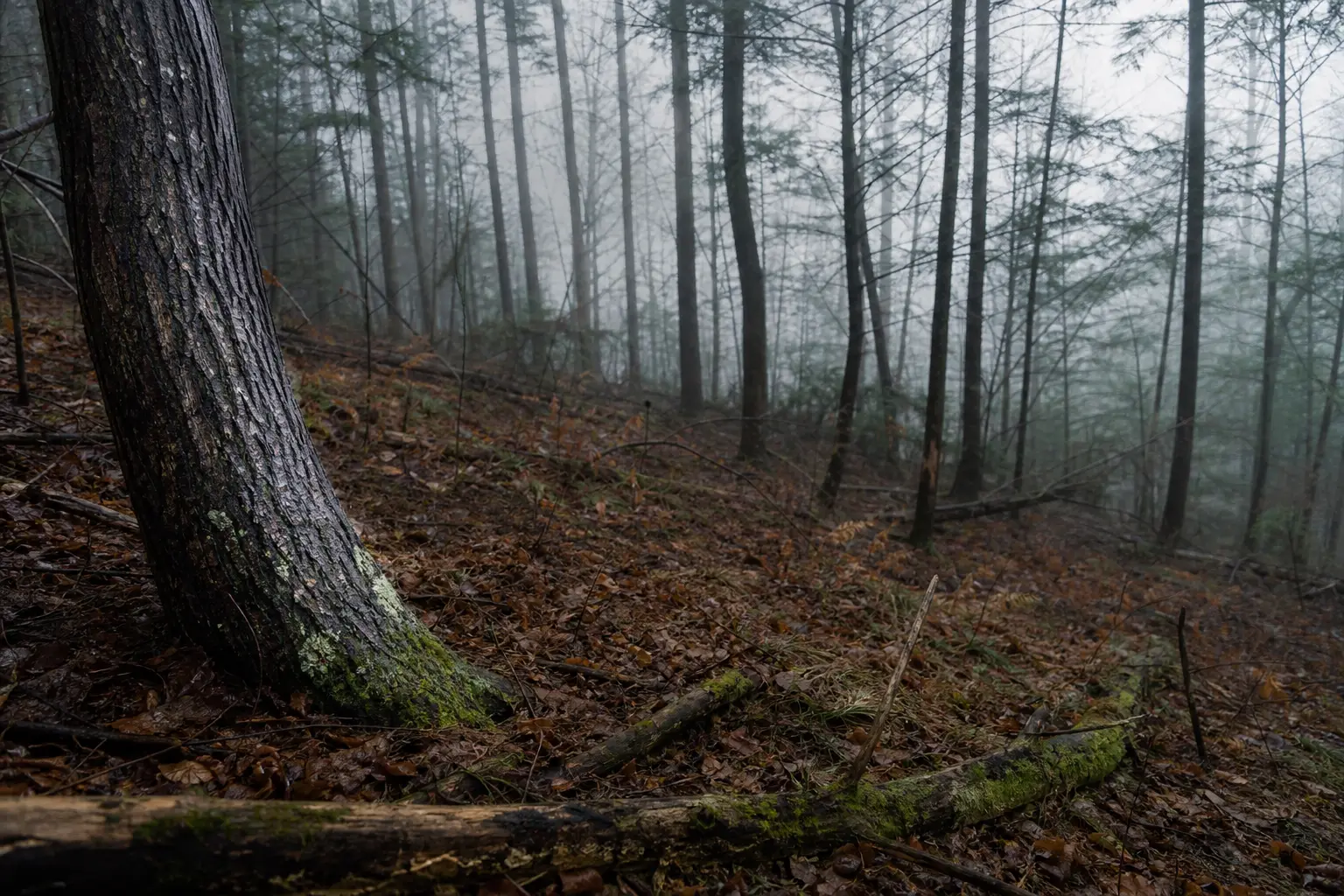
The Night the Blood Just Stopped
I have lost exactly one deer in a way that still wakes me up, and I have lost pieces of myself to every animal I ever hit and did not find. Most hunters will tell you about the ones on the wall. Nobody volunteers the other number. The thread that runs through every season opener is a quiet question somebody has to ask first: how many have you hit, and how many did you bring home? Most men lie about the second half, and I understand why. I lied about it for years. I told myself the story where the arrow found a branch, or the blood was too thin to follow, or the land simply swallowed the animal whole. All of those are true enough. None of them are the truth.
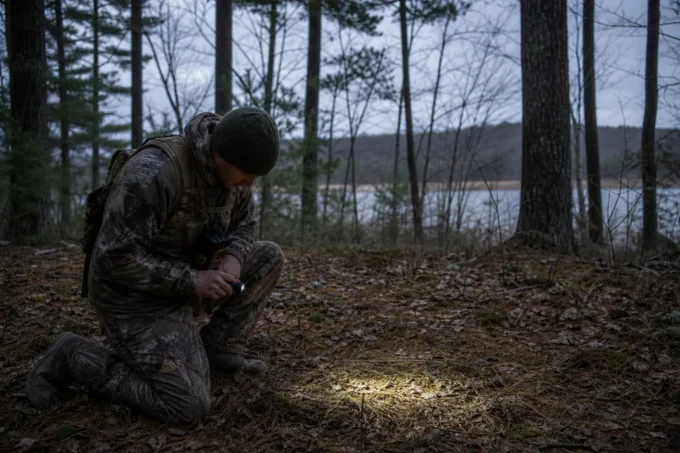
The truth is uglier and more ordinary. The truth is that a broadhead is not a switch you flip and the animal is not obligated to cooperate with your aim. The truth is that I once hit a buck and followed a good bright trail for two hundred yards, and then the blood turned into a rumor, and then into nothing, and I stood in a cedar bottom in the dark with a dying headlamp and a knot in my stomach the size of a fist and I did the easy thing. I told myself he had gone to water. I told myself he was bedded somewhere close and I would find him at first light. I told myself a lot of things, and every one of them was a door I walked through so I could go home and sleep.
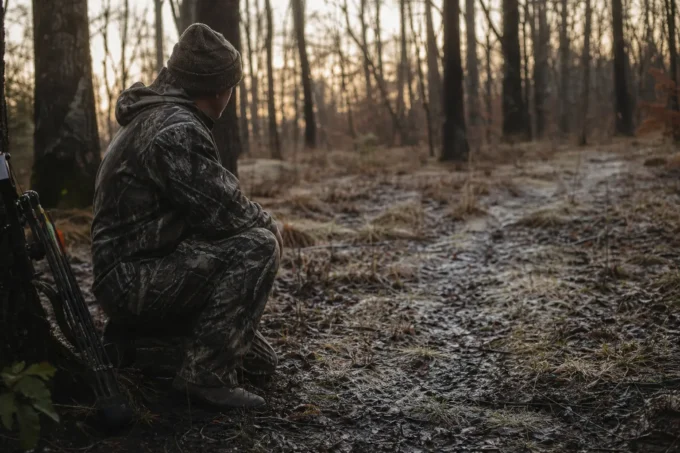
What the Number Actually Means
Conservation has a clean, public-facing face. We talk about carrying capacity and herd health and habitat and the money from license sales that keeps the whole machine running. All of that is real. But the private side of conservation is less tidy, and it has nothing to do with a press release. The private side is the animal you wounded and lost. That animal does not disappear because you stop tracking. It dies slowly, or it recovers with your metal still inside it, or it lives years carrying the mistake you made in a half-second of overconfidence. The land keeps a ledger, and it does not close the book just because you drove home.
I spent a long time thinking of a lost animal as a lost tag, a wasted season, a story I would not tell. That is the shallow way to think about it, and it is also the comfortable one. What I eventually understood, sitting in that cedar bottom, is that the animal I lost was not a missed opportunity. It was a debt. I had asked something to die for me and I had not honored the asking. The conservationist answer to that is not to pretend the shot never happened. It is to carry the weight of it and let it change how you hunt the next time.
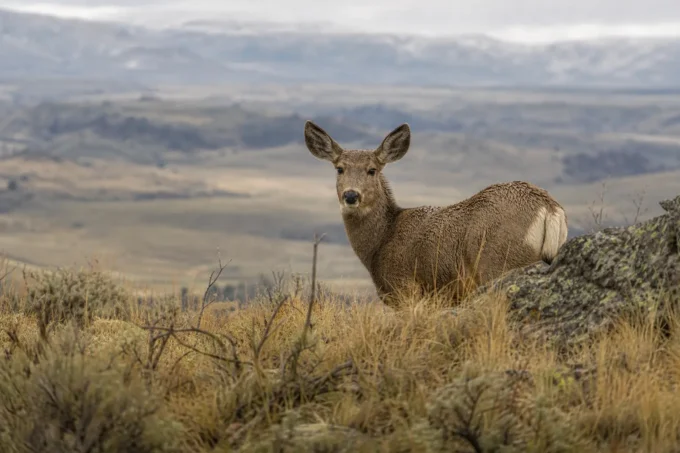
The Part Nobody Teaches at Hunter Safety
Hunter safety class will teach you to check your backstop and identify your target and treat every firearm as loaded. It will not teach you what it feels like to walk a blood trail that goes cold. It will not teach you the particular silence of the woods when you know something is out there dying because of you and you cannot find it. There is no test question for that. There is no orange-vested instructor who hands you the answer. The only place you learn it is alone, on your knees, holding a dead headlamp, trying to decide between your pride and your responsibility.
The responsibility, it turns out, is the whole job. Shooting an animal is the shortest part of it. The trigger pull is a second. The field dressing is an hour. The walk out with the weight on your back is the part that teaches you what hunting actually is. And the walk out empty, with nothing to show but the knowledge that you owe the woods something you cannot pay, is the part that either makes you a better hunter or breaks you. Most of us need to go through it once, badly, before we understand that the animal is not a target. The animal is a life you asked to take, and that asking comes with a bill.
How a Lost Animal Changes You
After that night, I stopped trusting my own confidence. That was the first honest thing I had done in years. I started shooting differently. I started passing shots I would have taken a season earlier, because a marginal angle suddenly looked like what it was: a chance to do it all again, worse. I started practicing until my shoulders ached, because I finally understood that the group on the paper target was not a competition score. It was a promise I was making to an animal I had never met. And when I did shoot, I followed up with my whole body instead of my ego.
The strange thing is that losing an animal made me a better conservationist than any pamphlet or license fee ever did. It stopped being abstract. Herd health stopped being a word I used to sound serious at the check station. It became a specific buck, a specific morning, a specific patch of blood that ended too soon. I stopped hunting numbers and started hunting the truth, which is that every clean harvest is a gift and every wounded animal is a failure you are supposed to carry so it does not become a habit.
A man I respect once told me that the difference between a good hunter and a careless one is not how many they bring home. It is what they do with the ones they do not. The careless man blames the branch, the weak blood, the bad year. The good man blames himself, and then he fixes the thing he is blaming, and then he goes back out quieter and better. I wanted to be the second kind. It took me one long, awful night and one animal I never found to even start.
The Land Keeps a Ledger
People like to say the woods do not care about you, and mostly that is true. The woods do not care whether you are proud or ashamed or well-fed. But the woods do keep a ledger, in the only way a place can. The deer you wound and lose is still out there, or its bones are, and the next hunter who walks that draw is hunting in the shadow of your mistake whether either of you ever knows it. The land remembers in the form of things that are harder to see: a trail the deer no longer uses, a bedding area that stays empty, a cautiousness in the herd that was not there before. You cannot point at it. You can only know that you put it there.
Conservation is mostly made of invisible things like that. It is made of the shots you pass and the shots you take responsibility for and the animals you honor by not forcing a bad outcome. The public version is clean and funded and full of maps. The private version is a man in the dark in a cedar bottom, deciding whether to lie to himself or to carry the truth home. Every dollar of license money and every acre of habitat is tethered to that decision, whether the brochure says so or not. The system only works because enough of us, eventually, choose the harder thing.
The Debt You Agree To
I still hunt. I think I will always hunt. But I hunt differently now, and the difference is not in my gear or my shot placement. The difference is that I understand the asking. When you take an animal, you are not just harvesting meat. You are agreeing to a particular kind of responsibility, and that responsibility does not end when the arrow leaves the string or the bullet leaves the barrel. It ends only when you have either brought the animal home or done everything a grown man can do to try. The night I stopped early taught me that the trying is not optional. It is the entire point.
There is a version of this story where I found the buck the next morning and everything was fine, and that version is a lie I am no longer interested in telling. The honest version is that I lost an animal and I will carry it for the rest of my life, and that carrying it is what makes me still fit to be in these woods. The woods do not ask much of us. They ask only that we mean it. The animal that walks away with your arrow is the woods asking you, once, if you actually do.
I mean it now. That is the only answer I have, and it cost me a buck and a very long night in a cedar bottom to find it. Some lessons you buy with money. This one I bought with a life, and I have been paying on it every season since.