The bear didn’t drop. That’s the sentence I keep coming back to, even though it’s been a full year. I hit him — I know I hit him. The arrow went in behind the shoulder and came out low on the other side, and for maybe four seconds I thought this was going to be the cleanest kill I’d ever made. Then he was gone, crashing through country I didn’t want to follow.
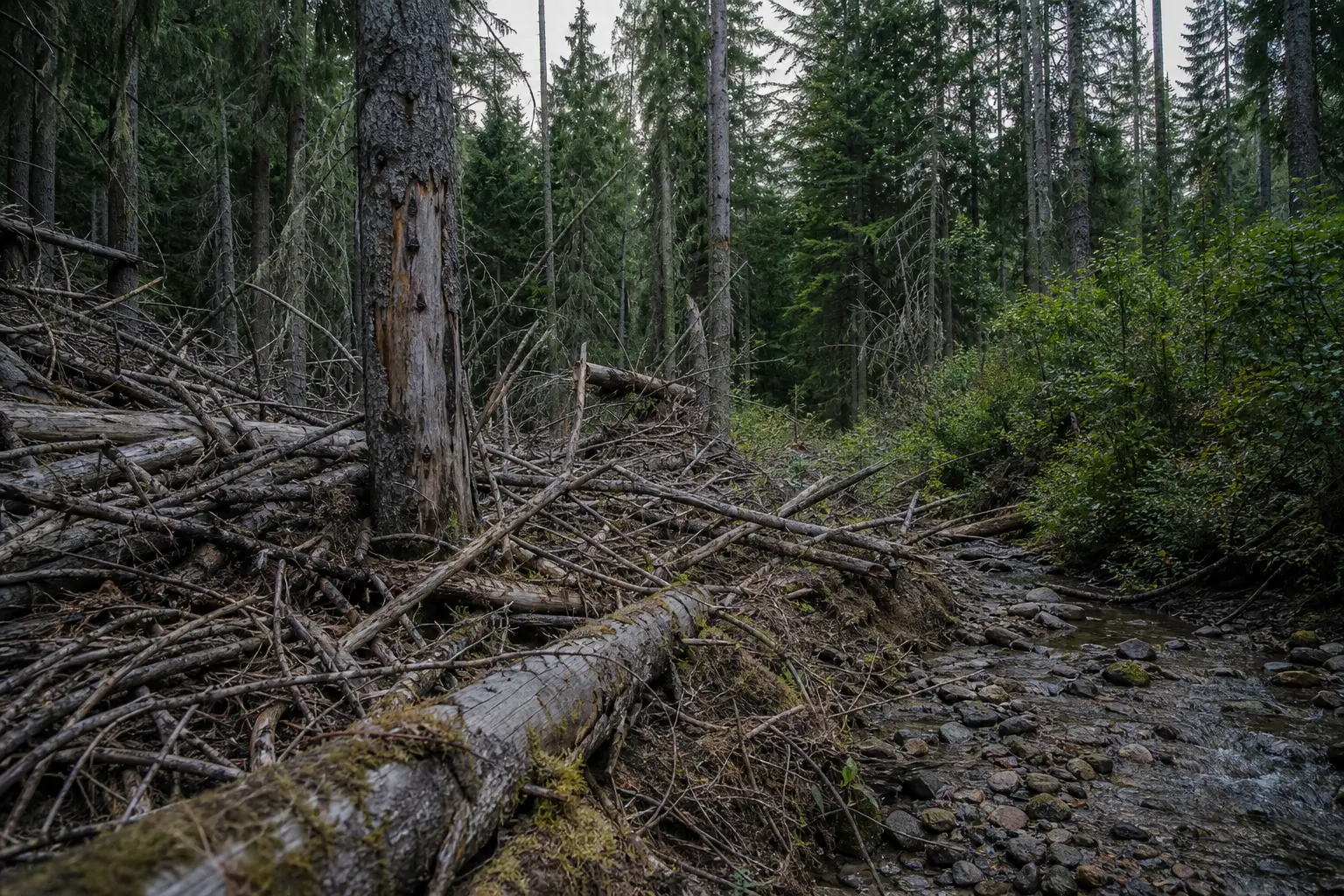
Dense blowdown. Dead spruce piled ten feet high, the kind of mess a glacier or a windstorm leaves exactly where you’ll eventually need to track a wounded animal. Beyond the blowdown, a creek bed that dropped off into a black tangle of alder. I stood there with my bow and watched the woods swallow him, and I told myself he’d pile up in a hundred yards.
The Blood Just Stopped
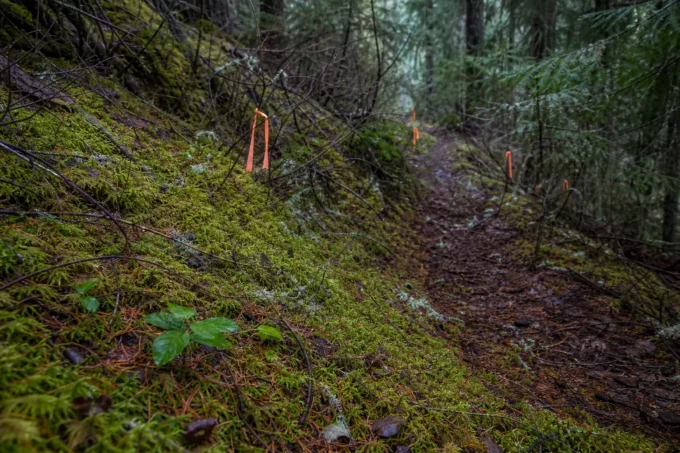
I waited thirty minutes, which felt like thirty years, and then I went in. The blood trail was good at first — big bright drops on the moss, nothing to complain about. I took my time. Marked every spot with flagging tape so I wouldn’t lose the thread. A hundred yards in, I was still confident. Two hundred, the drops got smaller. Three hundred, they stopped like somebody turned off a faucet.
I did the thing every hunter swears they’ll never do. I started guessing. I’d look at the blowdown and think, he probably went right there, and I’d leave the last piece of blood behind and go looking for a body instead of a trail. That’s where it all came apart. I spent the next four hours wandering circles in that blowdown, following nothing, working myself into a sweat and then into the shakes as the light went flat and coy.
I walked out that night without a bear and without a clean conscience. That second thing is heavier than you’d believe until you’ve carried it.
What I Should Have Done
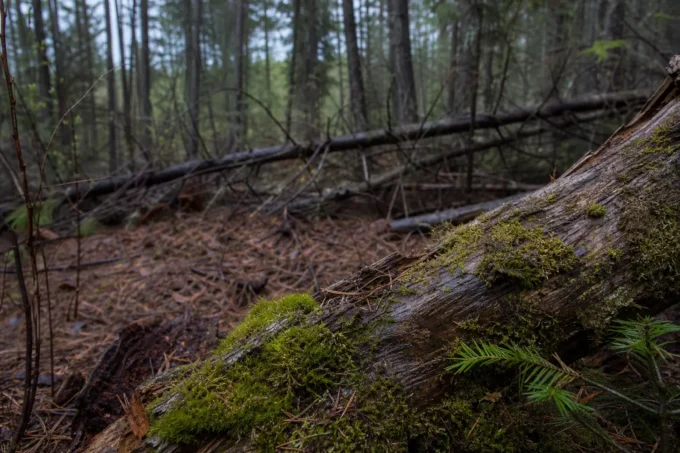
If I could go back, I’d have done the thing that feels wrong when your blood is up. I’d have stopped at the last drop and sat down. Backed out slow, walked to the truck, and waited for morning. I know that sounds like giving up, but it’s the opposite. A wounded animal that’s pushed will run to the horizon. One that’s left alone will bed down close by, and then it’ll die where a proper search can find it in the daylight.
More than that, I’d have gone back at first light and just listened. The forest knows where the dead are before you do. Ravens and jays and coyotes will absolutely lead you to a carcass if you’re patient enough to look up instead of staring at the ground swinging your head like a man arguing with himself. I didn’t listen for anything but my own breathing, and I paid for it.
And I’d have called a friend. Not because I can’t track alone — I can, most days — but because two sets of eyes on a cold trail and two pairs of boots in bad country is the difference between finding the animal and finding a rescue. Blowdown is ankle-breaking terrain. I was out there alone, eight miles from the road, falling down more than stepping. Being stubborn and being safe are not the same thing, and I’d spent my whole life confused about which one I was doing.
The Dog I Didn’t Call
There’s a man two towns over who runs a deer-tracking dog. I knew his number. I had it in my phone, sitting in my pocket the whole time, and I never called him. I didn’t want to look like a guy who lost an animal they ought to have dropped. So I walked circles in the dark instead, and the only thing I proved is that my pride outweighs my sense.
A tracking dog doesn’t care how far the trail went cold. The dog is the whole point — it’s the reason they exist. I’d have paid the man whatever he asked, and I didn’t, because I was too embarrassed to ask for help on the first animal I’d ever lost. That’s the idiot part. I’m not too proud to admit it now, which is probably the only useful thing I got out of the whole mess.
Same goes for the next morning. I should have gone back — not alone, and not in a blind panic, but with a plan and a buddy. Instead I slept four broken hours and convinced myself the bear was already dead and the coyotes had him and there was no point. Maybe that was even true. But you don’t get to take a shot and then decide the follow-through is optional. The second that arrow leaves the string, you owe that animal a search until the weather and the light and the terrain have exhausted every honest angle.
Why This Isn’t a Sad Story
It’d be easy to make this a tragedy and leave it there, but that would be a lie about what hunting actually costs and what it gives back. Losing an animal is the worst day a hunter has, and it should stay the worst day. The moment it stops hurting is the moment you’ve stopped respecting what you’re doing out there.
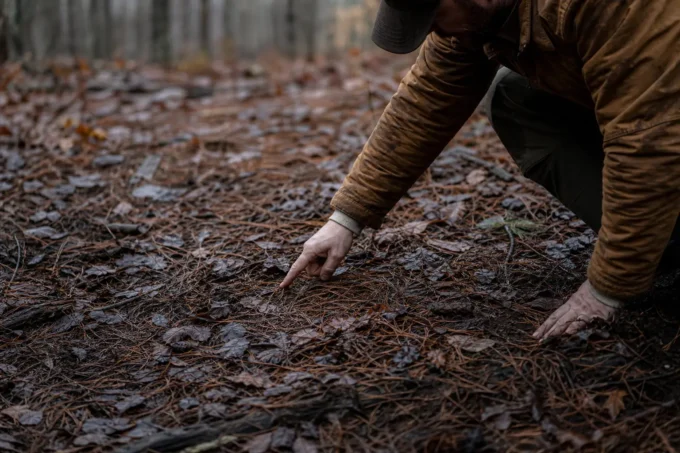
I changed three things after that day, and all of them are boring and none of them will ever make a highlight reel. I mark blood with tape or toilet paper and I never, under any circumstances, leave the last sign to go guess at a body. I plan every recovery like there’s a high fence around where the animal went, because pushing a wounded animal is the single fastest way to lose it for good. And I tell somebody exactly where I’m going and when I’ll be back, even when it’s a Tuesday afternoon and I’m just going for does.
The next animal I shot after that whole fiasco was a doe, and I did it right. Clean shot, short track, bedded down fifty yards off with ravens already circling by the time I got there. I didn’t need the ravens — the blood was a highway — but I looked up anyway, and there they were, doing the work I used to think a man had to do alone. Turns out the woods will help you recover an animal if you’re humble enough to shut up and watch.
Conservation isn’t only about the land and the seasons and the license money. It’s about the animal in front of you, and whether you’ll do the ugly, honest work to make sure that life wasn’t a waste. I screwed that up once, and I earned the gutful of knots it gave me. I don’t intend to earn it again.