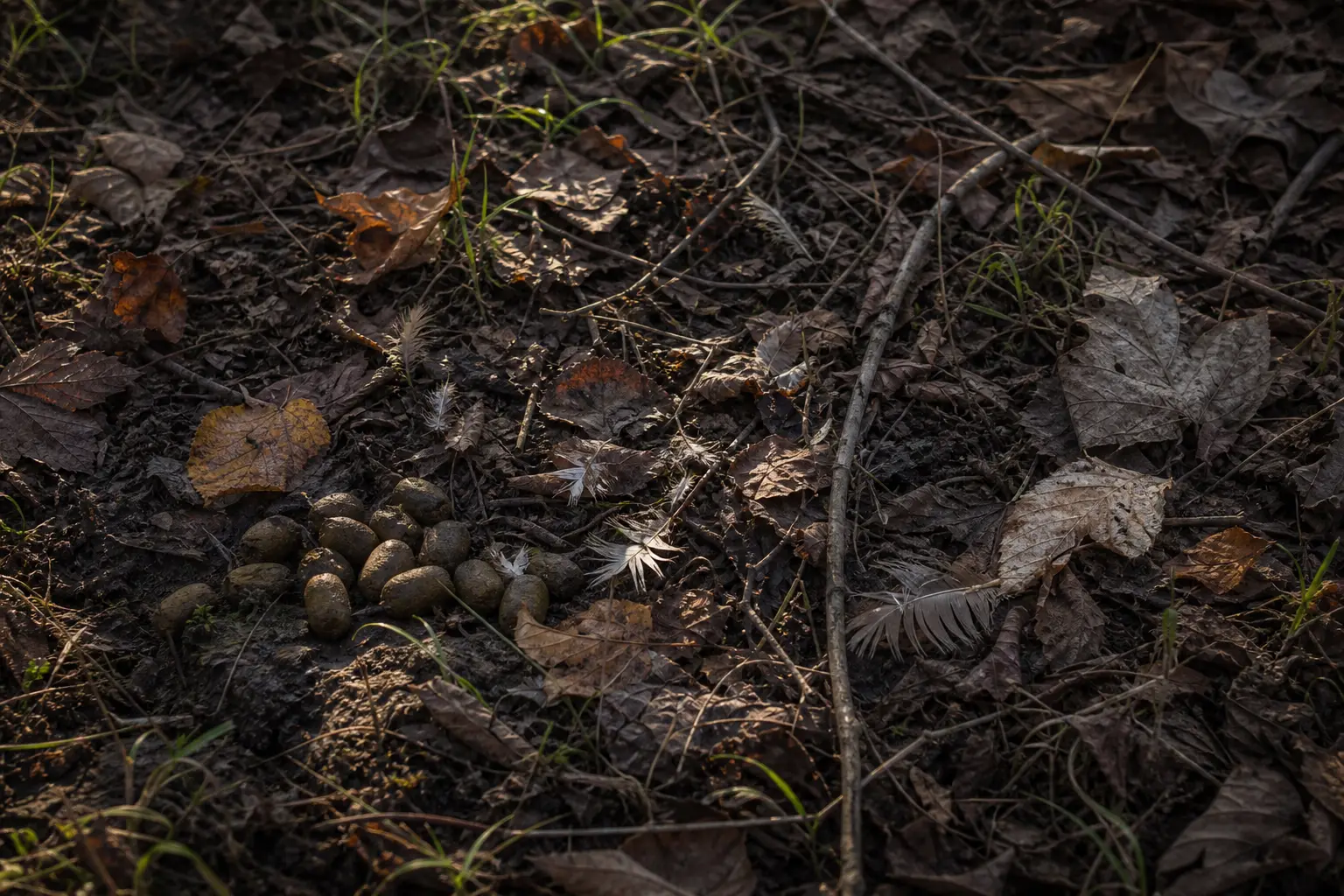
The first deer I ever shot, I shot in the guts.
I was twenty-two, shaking so hard the crosshair wouldn’t sit still, and the doe was forty yards out in the last legal light. She was broadside, perfectly still, eating. I told myself I had a clean lung shot. I rushed it. I watched her hunch, kick, and take off with that arrow, and I knew before I even climbed down that I hadn’t hit what I aimed at.
We tracked her for six hours in the dark.
My brother found her the next morning, two hundred yards from where I’d lost the blood, already stiff in a creek bed. The gut pile told the whole story. I spent an hour that morning on my knees next to her, and it wasn’t prayer. It was apology.
The Line I Didn’t Want to Admit I’d Crossed
Here’s the thing nobody tells you when you start hunting. Killing a deer clean is not the hard part. Killing a deer clean when you’re cold, tired, excited, and running out of light is the hard part. Those two things are not the same skill. One is marksmanship. The other is restraint.
I had the first one down. I could hit a pie plate at a hundred yards off a bench every single time. I was even decent standing, when my heart rate was normal and my hands weren’t frozen. What I did not have was the thing that stops a man from taking a shot he isn’t sure about.
Nobody teaches you that in a hunter safety course, not really. They tell you to know your target and what’s beyond it, and to only take ethical shots. They do not tell you what your pulse feels like in your ears on your first deer, or how a fifty-yard shot at last light looks a lot longer than fifty yards when you’re running on adrenaline and thin daylight.
What I Actually Learned, Six Years Later
It took me years to say the sentence out loud. Here it is: I would rather watch a deer walk away than wound one. That was not always true. When I was twenty-two, I would have taken any shot, because any shot felt like a chance, and a chance felt like a duty.
It isn’t.
Passing a shot is not weakness. Passing is the whole game. Every hunter I know who has hunted long enough has a story about the one they rushed, and they all tell it the same way, with their eyes down and their voice quiet. Nobody is proud of the gut shot. Nobody tells that story at deer camp unless somebody asks, and when somebody asks, the room goes still.
These days my cutoff is a hundred yards, and I’ve set it there on purpose. Not because I can’t shoot further. Because at a hundred yards, in bad light, with cold hands and a hammering heart, I know what I can promise. I can promise a clean kill at a hundred. I cannot promise it at a hundred and sixty in the dark. So I don’t try.
My rule is embarrassingly simple. If I have to talk myself into the shot, I don’t take the shot. If I’m explaining to myself why it’s probably fine, it’s not fine. When it’s right, there’s no voice. There’s just the crosshair, the animal, and a stillness in my chest that tells me everything is lined up.
Why This Is a Conservation Story
People think conservation is about bag limits and buying tags. It is, partly. Your license money funds habitat and herd management and a hundred things you never see. But conservation is also the quiet decision you make in the last ten minutes of legal light, when a deer steps out and everything in you wants to shoot.
That deer isn’t a trophy. It’s an animal. When you take it, you take everything it was going to be, and you carry the responsibility for whether its death is quick or slow. A wounded deer that dies three days later in a swamp is wasted. The meat spoils. The coyotes get it. And the guy who shot it gets to spend the rest of his life pretending it was unavoidable.
I don’t want to be that guy anymore. I already was him once. That gut-shot doe when I was twenty-two taught me the difference between a hunter and a guy with a rifle. It cost a deer six cold hours and a stiff death, and it cost me the last of my beginner’s arrogance.
Every season since, I’ve passed more deer than I’ve shot. That isn’t a brag. It’s a correction. I go into the woods knowing I might sit all day and see nothing worth a clean shot, and honestly, that’s fine. The sitting is the point. The stillness. The deer are just the reason I get to be out there.
I killed a doe two seasons ago, clean, one arrow through both lungs at eighty yards. She ran forty feet and tipped over. I sat with her for a minute before I started gutting, same as always, and this time I didn’t have to apologize. I just said thank you and got to work.
That’s the only kind of shot worth taking. The rest can walk.