The Text That Did Not Sound Like Hunting
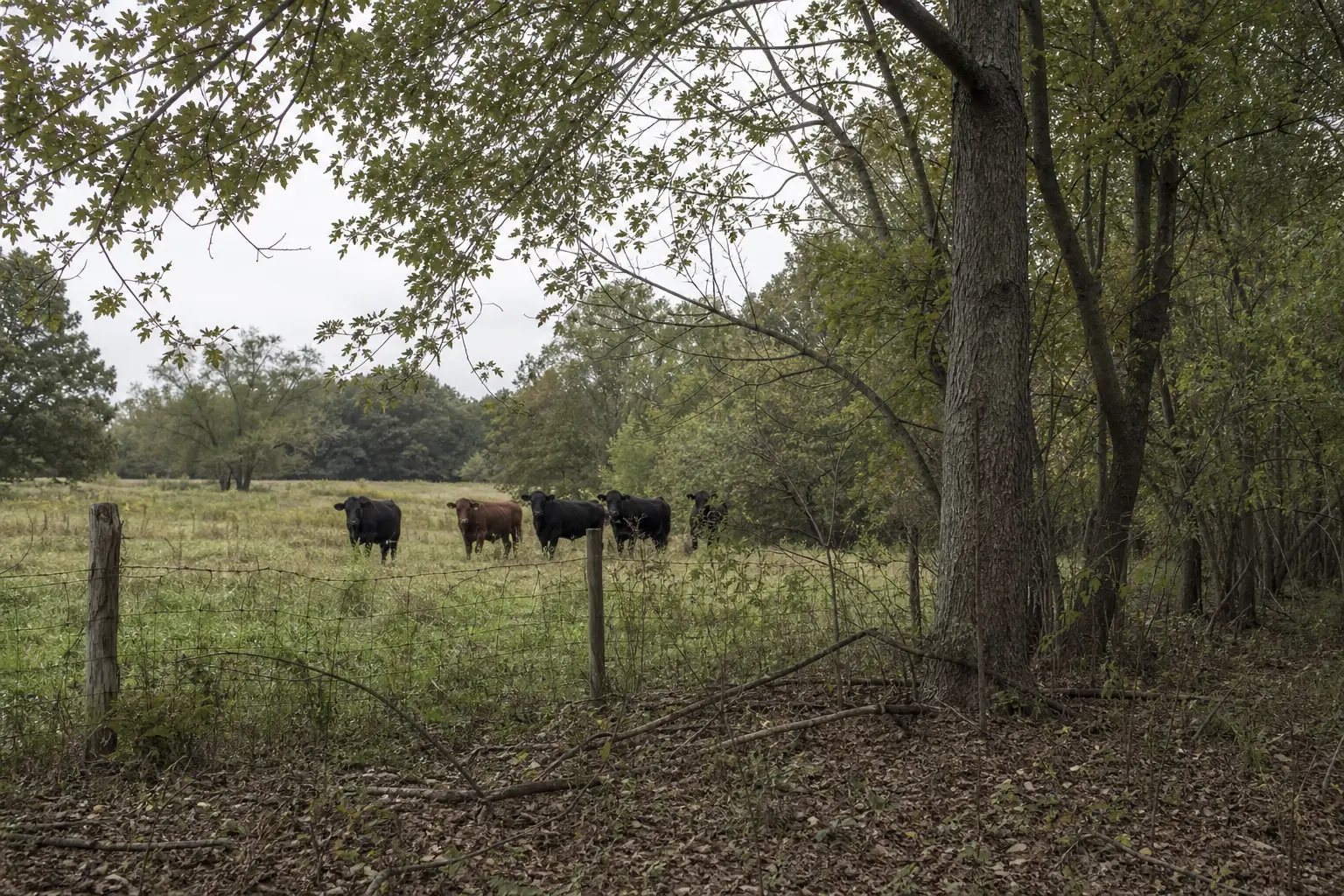
It started with a text message, which should have been my first clue that whatever this was, it was not the thing I had spent twenty years telling people I loved to do. Charlotte runs a small cow farm about an hour from my house, and for six seasons she has let me bow hunt her back forty for nothing. She asks for no money and no favors. She just likes that a guy with a stand keeps the property quiet in October and brings her a venison roast every now and then. So when five of her cows pushed through a fence and went feral in the timber, and she asked if I could track the last two and maybe, quote, shoot the bull for me, I treated it like a hunting question. I am a decent tracker. I thought a cow track could not be harder than a blood trail. That thought is going to embarrass me for a long time.
Let me tell you what kind of idiot I am, so the rest of this makes sense. I assumed a cow that escaped is just a deer with worse table manners. I assumed following it through the woods would be easy because it is big. I assumed shots I have made on whitetail would transfer. And I assumed, deep down, that because the animal was already going to be killed, there was no meaningful difference between me doing it and a butcher doing it. Every single one of those assumptions was wrong in a way I only understood standing in a dark draw with a .243 and a stomach that would not settle.
Tracking an Animal That Does Not Know It Is Wrong
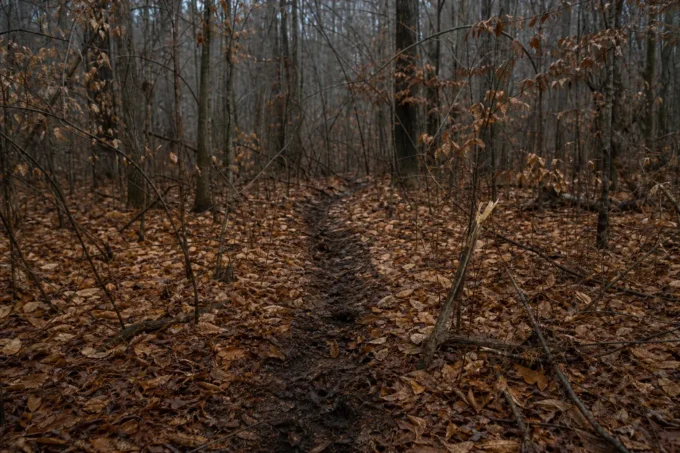
The first day out, I found the sign fast. A cow is a walking piece of heavy equipment, and it tears broad obvious trails through the leaf litter, bowls over saplings, and leaves pats the size of dinner plates. This felt like cheating. Blood trailing makes you hunt for a red speck at two in the morning. Cow trailing shows you where a four-hundred-pound animal went in a straight line for two hundred yards with branches snapped at shoulder height. I followed, brimming with confidence, the way I do right before a lesson I should have learned years ago.
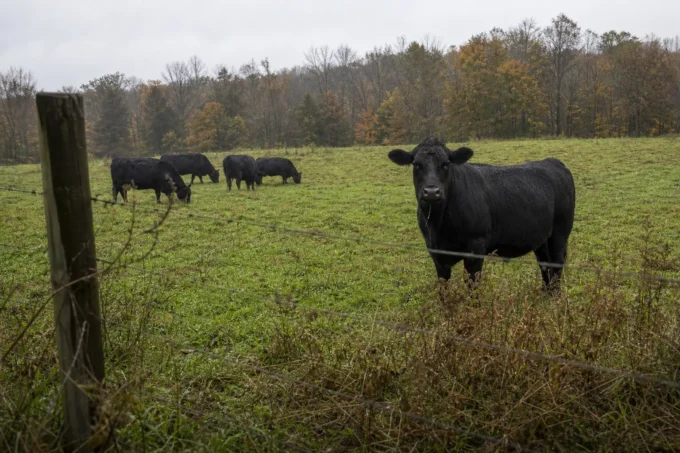
Here is the part nobody tells you about a feral bull. It is not wary. A whitetail has read the wind for a million years and will vanish if you blink. A bull has spent its whole life being fed by a person in a truck, and it has not yet decided that you in the timber are a different kind of person. So it let me walk to within sixty yards and then it just looked at me. Flat, unbothered, chewing. That look is what undid me. A deer looks at you like you are death and it has a vote. This bull looked at me like I was late with its morning feed. The thing that was supposed to run would not run, and for the first time in my hunting life, the animal refusing to be afraid felt wrong in a way that made my hands cold.
Where You Aim When the Rule Book Disappears
I had looked up the law, because I am enough of a rule follower to do the paperwork and dumb enough to think the paperwork was the hard part. Arrow to a cow is animal cruelty here. Rifle or slug is legal slaughter. Fine. So the logistics said take the .243. The question I kept avoiding was not where a bullet goes on a cow, but what a shot on a cow even is. When I shoot a deer, the rule is vitals. Lungs, heart, a clean pass-through, then give the animal the dignity of bleeding out while it runs out of momentum. It is a hunt. You earn it. The animal earns it. There is an honest agreement in the middle of it, even if it is a bloody one.
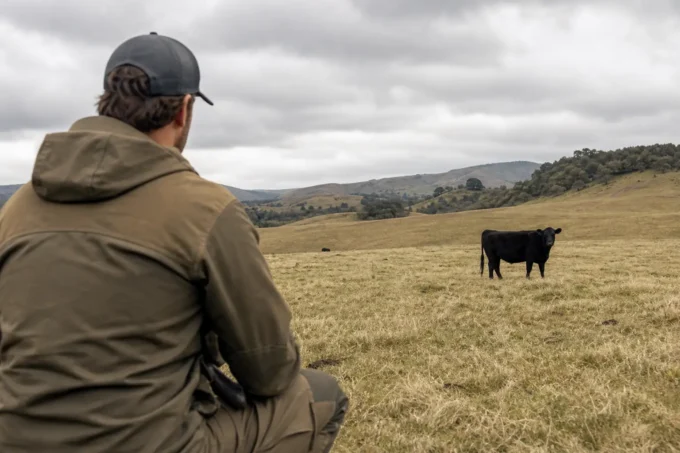
Nobody aims for vitals on a cow you are paid to put down. You aim for the brain. You shoot for the switch, not the slow leak. Every comment I had read on the subject said the same thing in four different voices: there is no tracking a lung-shot bull, there is no blood trail you want to follow when the animal weighs as much as a car, and the guts alone weigh more than any deer any of us will ever take. So the entire script flips. The careful, patient shot that defines me as a hunter becomes the wrong answer, and the brutal, sudden, kill-the-light shot I have spent years telling myself I am too ethical to make becomes the only compassionate one. Standing there with the crosshair floating over that flat, trusting eye, I realized I did not know how to be the person holding a gun in this situation, because this situation was not hunting at all.
The Difference Between a Hunter and a Butcher
I did not pull the trigger that day. I told Charlotte I needed to think it through, and I went home and sat with the thing I had almost done. Here is what settled out of it. A hunter kills an animal that has always been wild, on the animal’s own terms, in the animal’s own country, and then carries the weight of it home in a way that makes him accountable. A slaughter is different. It kills an animal that trusted people for food and water, that had no idea the fence line marked the difference between a farm and a country where it was suddenly a problem to be solved with a bullet. The cow was not living a wild life. It was living a farm life in the woods, waiting to be fed, waiting for the truck, confused about why grass came out of the ground instead of a trough. Killing that is not the same act as taking a buck. And pretending it is the same act, just because both end with a dead animal, was the exact arrogance I had been carrying around with me since the text message arrived.
There is a conservation lesson buried in this that has nothing to do with herd counts or license money. Conservation is mostly invisible work. It is choosing the harder thing when the easier thing would still technically be legal. It is understanding that the land and the animals on it are not all running on the same set of rules, and that the man holding the gun is responsible for knowing which set he is standing in. An escaped bull on a deer lease is a real problem that needs a real solution, and sometimes the real solution is a slug behind the ear from a guy with steady hands. But the guy with the gun owes that animal one thing before he shoots: he has to know the difference between what he is doing and what he usually does. If he cannot tell the two apart, he should not be the one holding the gun.
What I Told Charlotte
In the end I did not shoot the bull. I helped track him, and I held the gate while a neighbor who actually ran cattle brought him in with a bucket of grain and a calm voice, the way you handle a domestic animal instead of a wild one. The bull walked back through the fence like a dog coming when called, because that is what he was underneath all the miles of timber and the drumbeat of my own stupid assumptions. He was never feral. He was just lost, and I was so busy being a hunter that I almost shot a lost neighbor’s pet with a deer rifle.
People like to talk about conservation like it is a big map and a big budget and a big argument. Most of it is this. It is a man in a draw deciding whether he is a tracker or a butcher, a hunter or a hired hand, and having the honesty to tell the difference before the trigger gets pulled. The bull went home. The pregnant cow went home with him. And I went home with a .243 I had not fired and a new understanding of what it means to be responsible for the animals I share the woods with, the wild ones and the ones that just forgot which side of the fence they belonged on. That understanding cost me nothing but a little pride, and it is worth more than any deer I have ever taken.