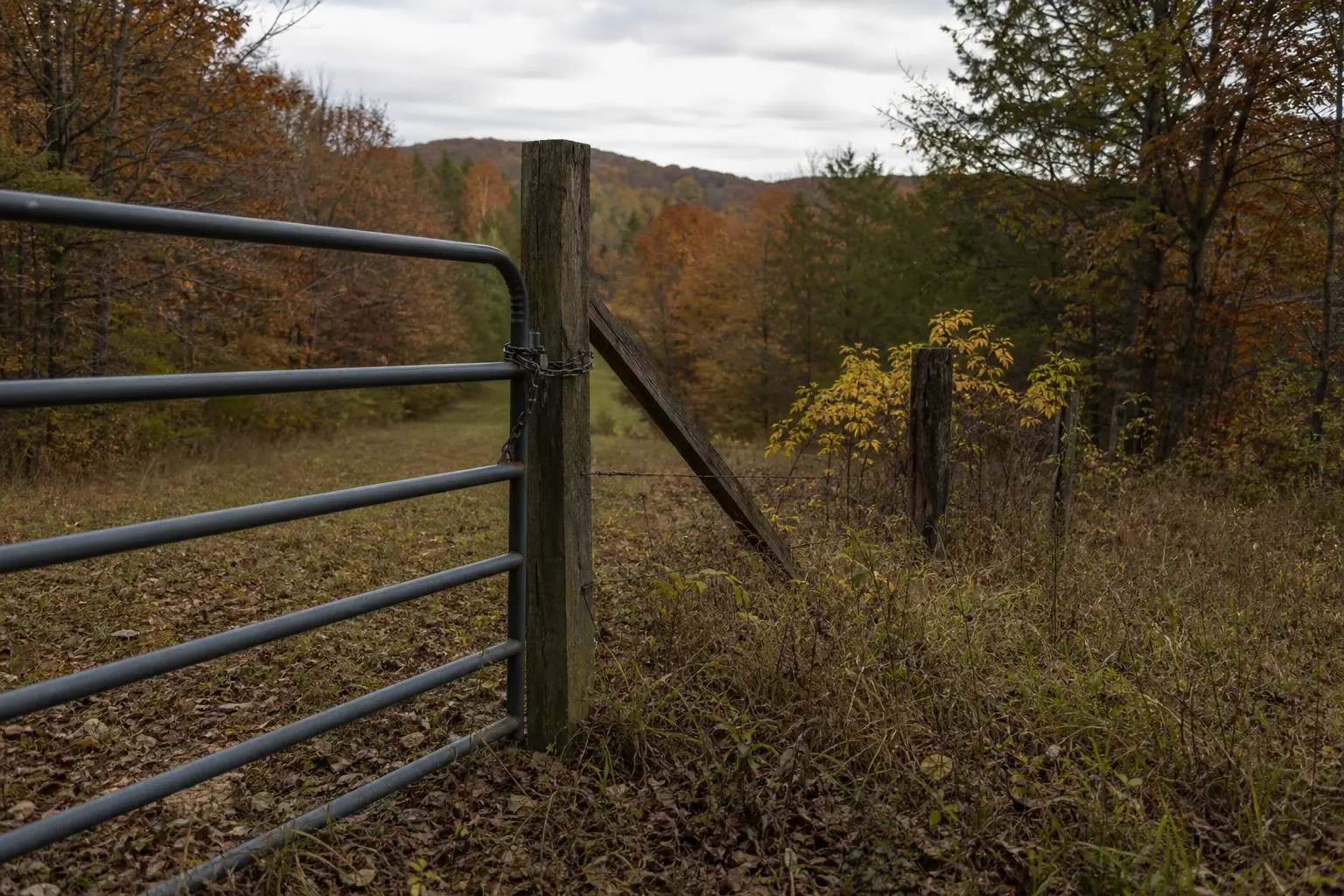
There’s a piece of public land about forty minutes from my house. I’ve hunted it for eight years. I know which ridges the deer bed on when the wind is out of the northwest. I know where the creek pools hold trout in August. I know the spot where a downed white oak drops acorns into a clearing every October, and I know the buck that shows up there three days after the first heavy frost.
Last year, a For Sale sign appeared at the gate. Two hundred acres of timber, creek bottom, and ridge line — priced at a number that only a developer would pay. The family that owned it had held it for four generations. The last generation didn’t hunt.
I don’t know what’s going to happen to that land. Maybe a conservation easement buys it. Maybe a hunting club pools their money. Maybe it gets subdivided into twenty-acre “ranchettes” with a gravel road and a gate code and a list of rules that say no hunting. I drive past the sign every time I go out there now, and every time I feel the same quiet dread — the understanding that a place that’s been wild for a hundred years could be gone in one.
You Can’t Protect What You Don’t Understand
I didn’t grow up thinking about conservation. I grew up thinking about deer. Where they were. How to find them. How to shoot them without screwing up. Conservation was something the state wildlife agency handled — a line item in the license fee, a pamphlet that came in the mail.
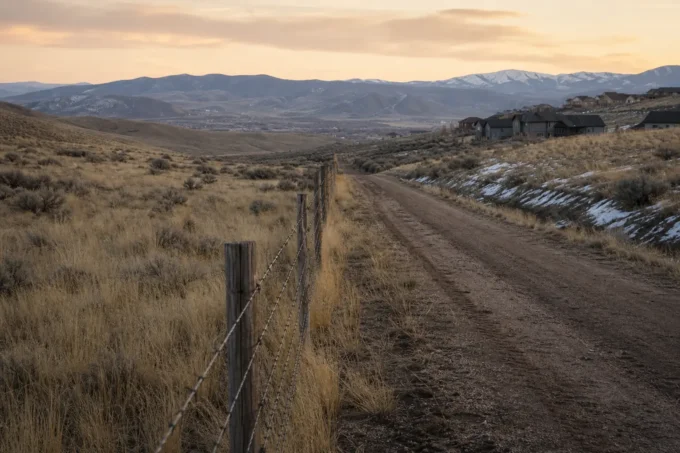
Then I moved out west and started hunting public land. When you hunt public land, you see things differently. You see the fence lines between public and private, the roads that cut through winter range, the subdivisions creeping up canyons that held elk ten years ago. You start noticing that the best hunting isn’t on private ranches — it’s on the ground that nobody thought was worth anything. And you start realizing that “nobody thought it was worth anything” is a temporary condition.
The Hunters Who Saved What I Hunt
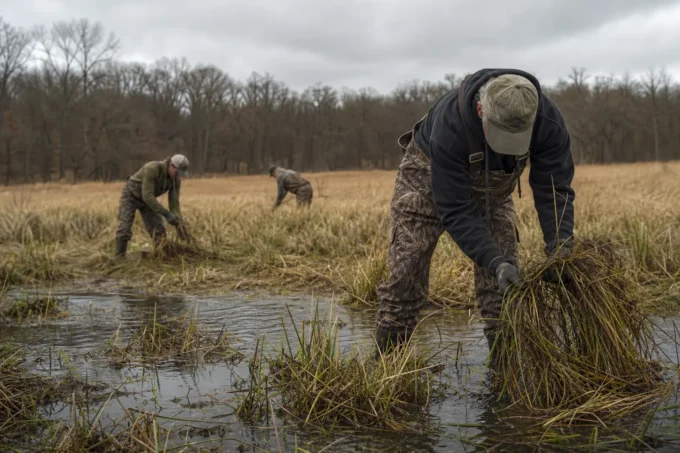
Most people don’t know that the North American conservation model was built by hunters. The Pittman-Robertson Act of 1937 — an excise tax on firearms and ammunition that funds almost all state wildlife conservation — was written by hunters and pushed through by hunters. Ducks Unlimited has conserved over 15 million acres of wetlands since 1937. The Rocky Mountain Elk Foundation has protected or enhanced over 8 million acres. Trout Unlimited. The Wild Turkey Federation. Pheasants Forever. Organizations full of people who just wanted to make sure their kids could hunt and fish the same places they did.
This isn’t ancient history. It’s happening right now. Every acre of public land you’ve ever hunted exists because someone, at some point, fought to keep it public. And every acre that gets sold, developed, or locked behind a pay gate is an acre you’ll never hunt again.
What “Conservation” Actually Means On The Ground
Forget the glossy magazine version. Here’s what conservation looks like in real life.
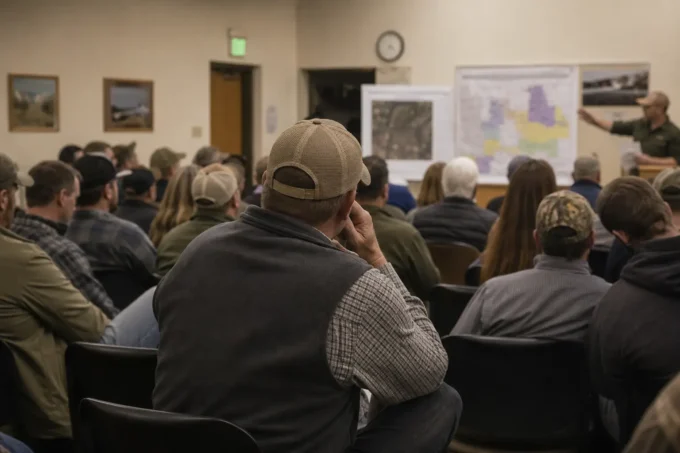
It looks like showing up to a public lands meeting on a Tuesday night and sitting through three hours of zoning discussions so you can make a two-minute comment about keeping the winter range open. It looks like joining an organization — pick one, any one — and paying the annual dues even when money is tight, because the collective checkbook of hunters is the only thing standing between a migration corridor and a subdivision. It looks like packing out other people’s trash because the guy who left it won’t and the guy who finds it might blame hunters. It looks like mentoring a kid who’s never held a fishing rod, because the next generation of conservation voters is being raised on screens right now.
It’s not glamorous. Nobody posts the public lands meeting on Instagram. But it’s the reason there’s still a place to hunt. It’s the reason the elk are still migrating. It’s the reason your kid might get to walk the same ridge you walked when you were twenty and stupid and lost with a dead phone.
The Small Things That Add Up
You don’t have to join a board or testify at a hearing to make a difference. Most of conservation is small, steady, boring work that nobody sees and everyone benefits from.
Buy a license even if you don’t hunt that year. License fees fund state wildlife agencies. When hunter numbers drop — and they are dropping — the agencies lose funding. Buying a license is a vote. A hunting license without a hunt is still a donation to the thing you care about.
Join one organization. Just one. Pick the one that does work in the habitat you actually use. Ducks Unlimited if you’re a waterfowl hunter. RMEF if you hunt elk. NWTF if you chase turkeys. Trout Unlimited if you fly fish. The membership fee is the price of a box of ammo or a tank of gas to your hunting spot. It’s not a donation — it’s an investment in not losing the places you love.
Take someone new. Every hunter who stops hunting is a lost voice for public lands. Every new hunter you mentor is a voice that will be here when you’re gone. The math is simple: more hunters means more funding, more political weight, and more land that stays open. Take a friend. Take a kid. Take someone who’s never held a gun and show them why you spend your weekends freezing on a ridge. Be patient. Be generous. The future of hunting depends on people who aren’t hunters yet.
That Piece of Land Near My House
I drive past that For Sale sign every couple of weeks. I don’t know who will buy it. I hope it’s someone who hunts. Someone who understands that two hundred acres of timber and creek bottom is worth more as habitat than it is as a subdivision. Someone who will walk the ridge in October, find the white oak dropping acorns, and sit still long enough for the buck to show up.
Whoever it is, I hope they know that they’re not just buying land. They’re inheriting something that other people built — the hunters who paid the taxes, the biologists who managed the herds, the volunteers who showed up to meetings and fought to keep the winter range open. The sign says For Sale, but the truth is that land was never really owned. It was just borrowed, season after season, by people who loved it enough to protect it.
That’s what conservation is. Borrowed land. Borrowed time. And a responsibility to pass it on better than we found it.