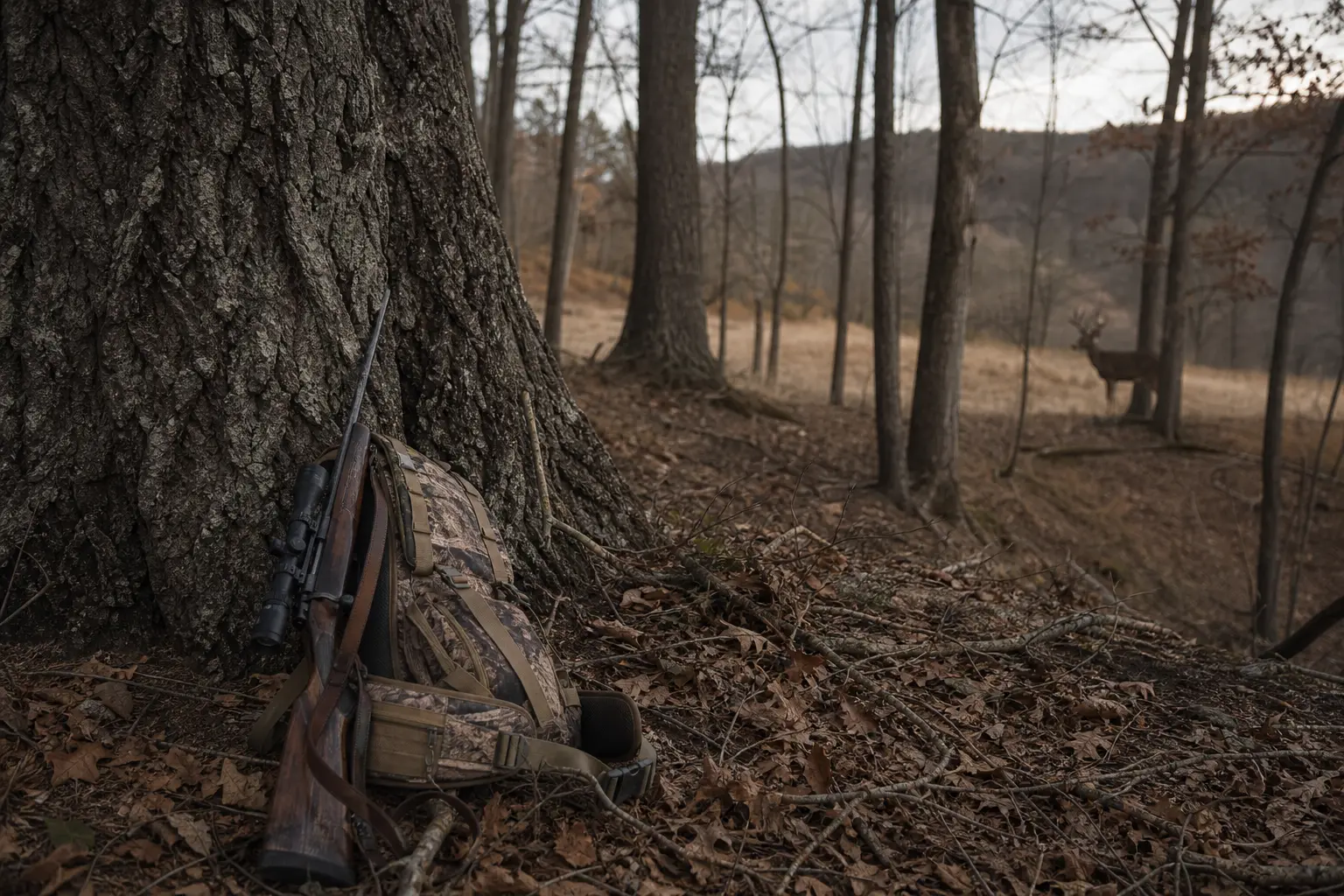
The Part Nobody Trains
For twenty years I practiced everything about the shot except the part that kept ruining it. I burned powder at the rifle range until my shoulder bruised. I read every piece of advice about bullet weight and bedding and breath control. I practiced trigger squeeze in the living room with an empty rifle until my wife stopped flinching when the firing pin clicked. I had the shot figured out. I had it figured out so completely that I could not understand why a buck at forty yards still turned my hands into a handshake I was having with nobody, why my heart climbed into my throat, why I felt about eight years old again every single time an animal walked into my shooting lane.
The shot itself was never the problem. The two seconds before the shot were the problem, and I did not train those two seconds for twenty years because you cannot train them at a bench. A rifle range gives you a calm table and a sandbag and all the time in the world. The woods gives you an animal that just appeared out of nowhere like a rumor, and your body, which has its own ideas about what is supposed to happen next.
Buck Fever Is a Real Physical Thing
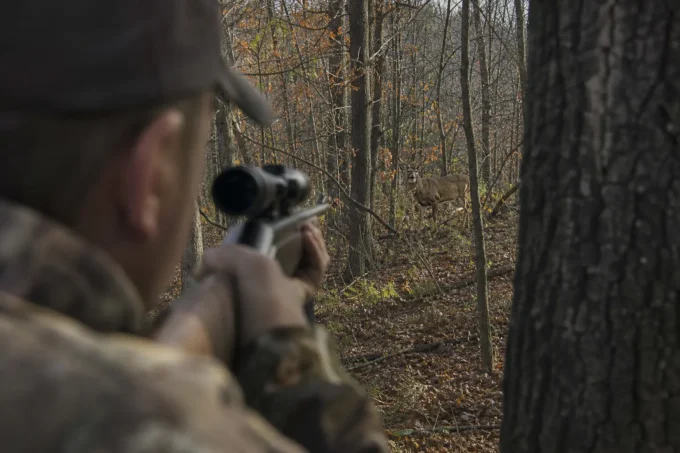
Nobody warned me that the butterflies are not a feeling, they are a ring of muscles tightening around your chest. The old timers called it buck fever and they talked about it like it was a rookie disease, something you grew out of, like acne or believing a hundred yard tracking job was going to be short. I waited to grow out of it. I am still waiting. Every single October, when a buck steps out and my brain registers antlers, my pulse goes from sitting to running in the space of one breath, and my hands start to shake in a way that has nothing to do with the cold.
I used to think the shaking was fear. It took me years to understand it was something else. It was my body getting ready for a thing it only gets to do a few times in its whole life, dumping every ounce of everything it has into a single moment, and my job, the actual skill, was figuring out how to aim through all that noise. You cannot turn off buck fever. You can only learn to shoot while it is happening, the same way you learn to write your name on a bus that is hitting potholes.
The Shot I Learned Nothing From
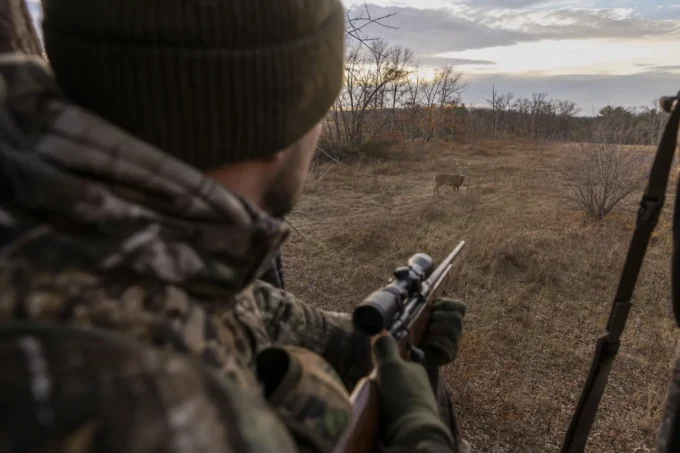
My first buck taught me nothing because everything went wrong and I still got him. I was nineteen, shaking so hard the rifle looked like it was mounted on a paint mixer, and I yanked the trigger early and hit him square anyway. He ran forty yards and piled up, and I spent the next ten years telling myself I was good at this because the woods had let me get away with being terrible at it. That is the meanest trick a first deer plays on you. It makes you believe the shaking did not matter, when the only reason it did not matter that day was that I got lucky.
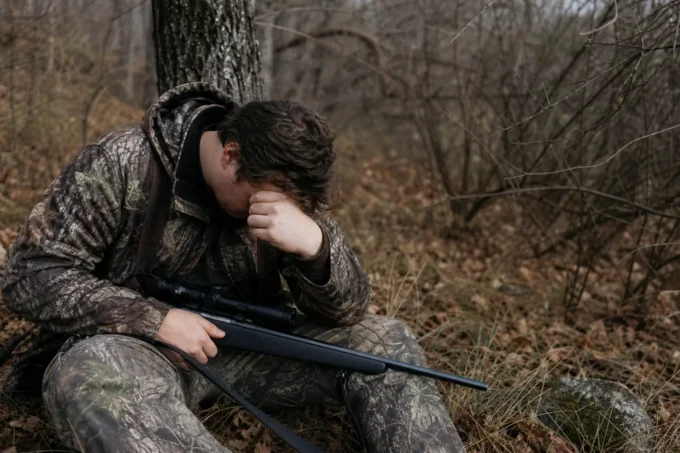
For the decade after, I missed deer I had no business missing. I would wait all morning, freeze all through the cold hour, and then the exact moment a doe stepped into the lane my body would pour some kind of electric current down my arms and I would snatch the trigger and shoot before I was actually aiming. Every miss, I told myself the same story. The scope was off. The wind. The deer jumped. I never once said the true thing, which was that I had practiced everything about shooting except being afraid, and so I was afraid every time, and I shot like a man who was afraid.
Training the Two Seconds
What finally changed me was embarrassingly simple, which means I resisted it for years. I started practicing the part I could not see. I stopped going to the range only to shoot tight groups off a bag and started shooting after I had made my heart race on purpose. I would do twenty jumping jacks behind the firing line until my chest was heaving, then pick up the rifle and try to hold the crosshair still on a target. The first time I tried it I was mortified. My hands were all over the place, and the group looked like I had loaded the rifle with buck fever itself.
But I kept doing it, because it was the only honest version of the shot I could build. A bench rest never once handed me a shaking heart, so I built my own. I learned to breathe in a pattern that gave my hands no choice. I learned that you do not fight the shake, you let it happen and you time the trigger squeeze to the bottom of the sway, the one instant the crosshair swings slowly and everything lines up. It was not graceful. It was more like learning to stand on a boat, but it worked, and it was the first field skill I ever learned on purpose instead of by accident at the worst possible moment.
The Deer That Showed Up on Purpose
The first time it all held together in the woods, I almost laughed out loud. It was a cold gray morning in late November, the kind of light that makes you feel like the whole day is holding its breath, and a big-bodied doe came drifting down the ridge trail like she had an appointment. My heart did exactly what it always did. It took off running. But this time I did not grab the trigger and yank it. I let my body do its fifty yard dash while I sat there behind the rifle, and I watched the crosshair sway, and I waited for the bottom of the swing, and I squeezed.
The shot felt slow, even though it happened in less than a second. The doe folded in place, and I sat in the stand with my heart hammering and my hands shaking and the biggest, dumbest grin on my face, because for the first time in twenty years the shaking and the shooting had happened at the same time and neither one had ruined the other. That is the thing nobody tells you about buck fever. It never leaves. It just stops being in charge. Somewhere in all those years I had stopped trying to be a man who did not shake and started learning to be a man who could shoot anyway.
What the Butterflies Are Actually Good For
I have come around to believing the butterflies are not a defect. They are the reason the whole thing matters. The day the shaking stops entirely, the day a buck walks out and my heart just sits there like I am reading a weather report, that is the day I know I have done this so many times that it has stopped meaning anything. The nerves are a receipt. They are proof that some part of me still understands a living animal is about to die because of a choice I make, and a man ought to feel something heavy about that.
The trick was never getting rid of them. The trick was learning to do good work while they were flapping around inside my chest. You aim through the shake the same way you walk through wind. You time the trigger to the quiet bottom of the sway. You breathe through your nose like you were taught, except now you actually do it because it is the only thing keeping you honest. And you stop telling yourself the story about the scope being off. The scope was never off. The man behind it had just never practiced the one part of the shot he could not buy equipment for.