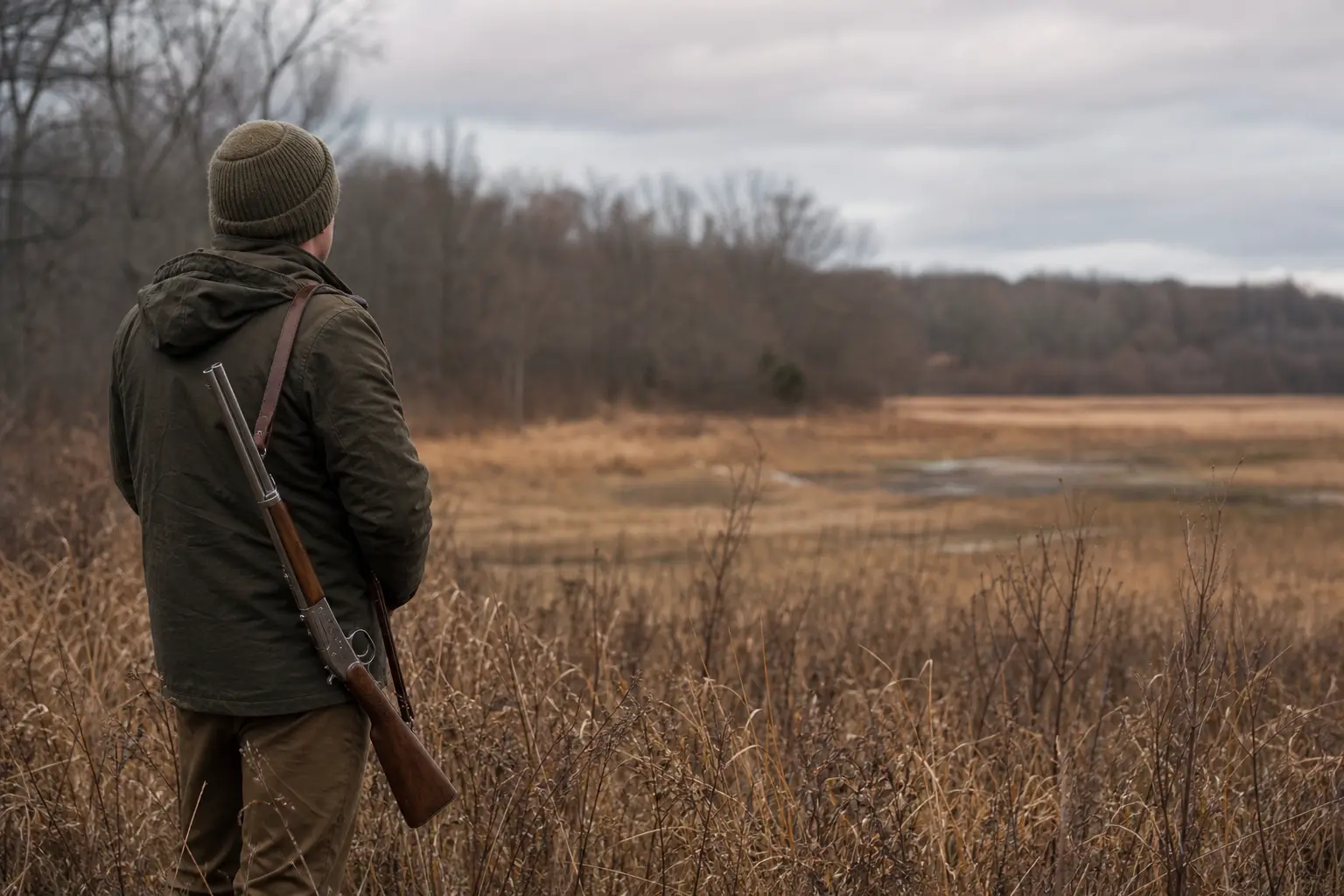
I bought the .357 lever gun because it made me feel like something out of a better story. Stainless steel, walnut, a smooth little action that clicked shut like a safe dial. Every man at the shop told me it was a fine deer rifle, and I believed them, because the rifle looked the way I wanted to look. I even told myself the copper rounds were the smart part. Modern. Ethical. Expanding, so they did their work inside and didn’t punch through, which I said out loud as if that made me a better hunter instead of a man who wanted his gear to validate him.
Three deer fell to it before the fourth taught me how much of my confidence was furniture.
The One That Got Up
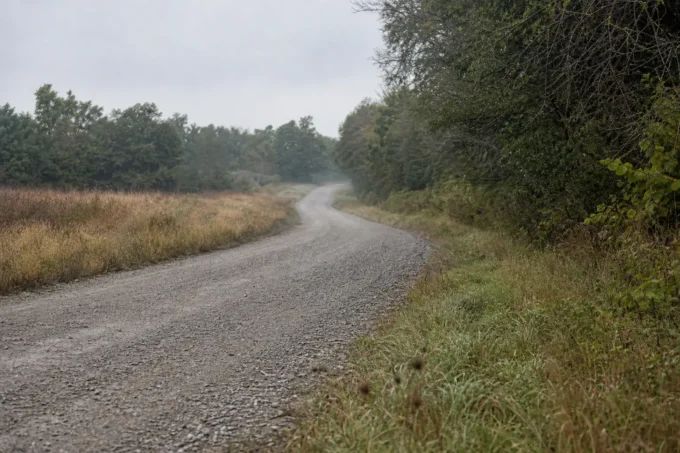
It was a clean October morning, the light still gray and the grass heavy with dew. An eight-point buck walked a gravel road toward my stand at about thirty-five yards, head down, cruising, not a care in the world. I put the front bead just behind his shoulder, what every chart calls the sweet spot, and squeezed.
The rifle bucked, the buck dropped, and I let out a breath I didn’t know I was holding. He rolled, kicked, struggled, and then, to my absolute shock, he got back up and ran off. Shaky. Stumbling. But running, and then gone into the timber.
I sat there a few minutes, because that’s what you’re supposed to do. Then I walked down and looked for blood. There was none. Not a drop at the spot. Not a smear on the leaves where he kicked. Nothing. I started following tracks instead, and that’s when I understood what I’d done.
A Bloodless Track Is a Quiet Lie
The copper bullet had done exactly what I had bragged about. It opened up inside him, spent its energy, and stayed put. No exit wound, which is the nice, tidy way to describe a hole with only one door. A deer hit like that can carry a hundred yards, two hundred, twice that, and leave the forest floor looking like it was never walked. The blood trail is the one honest conversation you get after the shot, and I had bought a round that refused to have it.
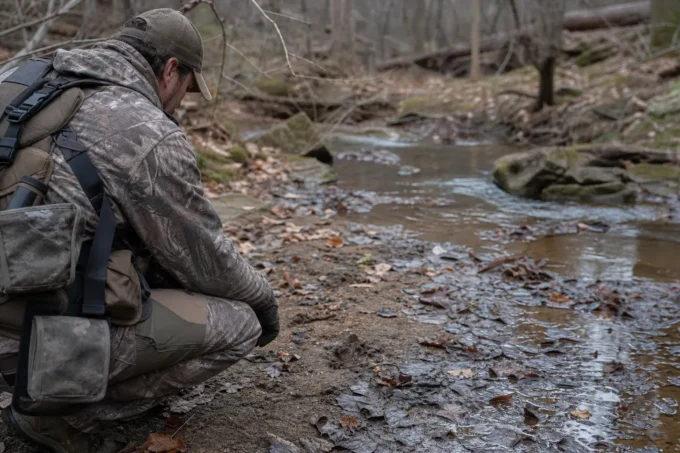
I tracked him for four hours. Leaf by leaf, bent grass, kicked dirt, a single hoof print in the mud at the edge of a creek. Then the trail thinned to nothing and I stood in the middle of the woods realizing I had wounded an animal and had no map back to him. That night I got on the phone and called a man with a blood-tracking dog, because real men do that, and it turns out I had been pretending to be one for three seasons.
What the Dog Taught Me
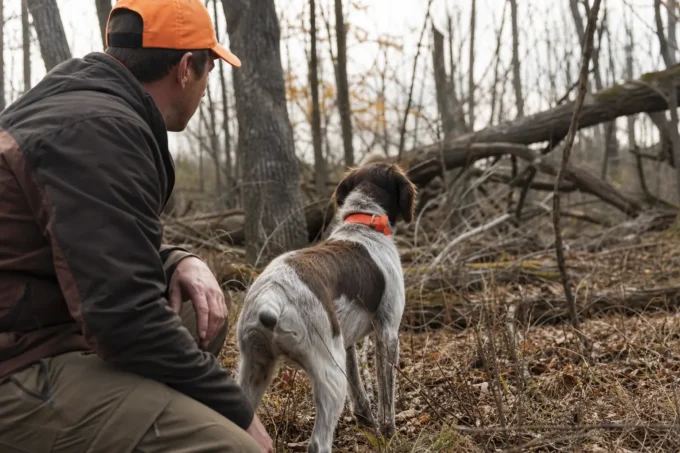
The dog found him in forty minutes. The deer had gone a little over three hundred yards and piled up against a blowdown, and by the time I got there I was covered in relief and shame in equal measure. The tracker didn’t lecture me. He just knelt down, showed me the entrance wound, and said something I’ve thought about every opening day since.
“Pass-through isn’t a mark of a weak man and a second shot isn’t a mark of a bad one.”
I had time for a second shot. I saw him struggle and I held still, because I was so sure the first one had finished it. Sure because the rifle was pretty and the round was modern and I was the kind of hunter who reads charts and calls himself disciplined when he’s really just proud.
Rounds That Leave a Trail
I’m not going to tell you copper is bad or that the old-timers were right about everything. What I’ll say is this. The day I stopped needing my gear to be a costume was the day I started thinking about the shot for what actually happens after the trigger breaks, not what happens in my head while I’m admiring the rifle.
I still carry the lever gun sometimes. It’s a fine rifle and it shoots straight. But when I walk into the woods now, the round in the chamber is one I know will leave a hole out the other side and a trail a child could follow, and I hold that second shot ready like the debt I owe the animal, not the apology I’ll wish I’d paid.
The Animal Deserves Better Than My Vanity
That buck ended up in my freezer, and every package of him I unwrapped that winter reminded me that I almost lost him to my own pride. I didn’t wound him because the rifle failed. I wounded him because I wanted the rifle to be more than a tool, and I let that wanting sit between me and the second shot.
A bloodless track is not a mystery, most of the time. It’s a choice you make long before the deer steps out, the day you stand in the gun shop and pick the pretty answer over the honest one. I learned to pick differently. The next deer I take will leave a trail, because if I’m going to ask an animal to die for me, the least I can do is leave a road back to it.