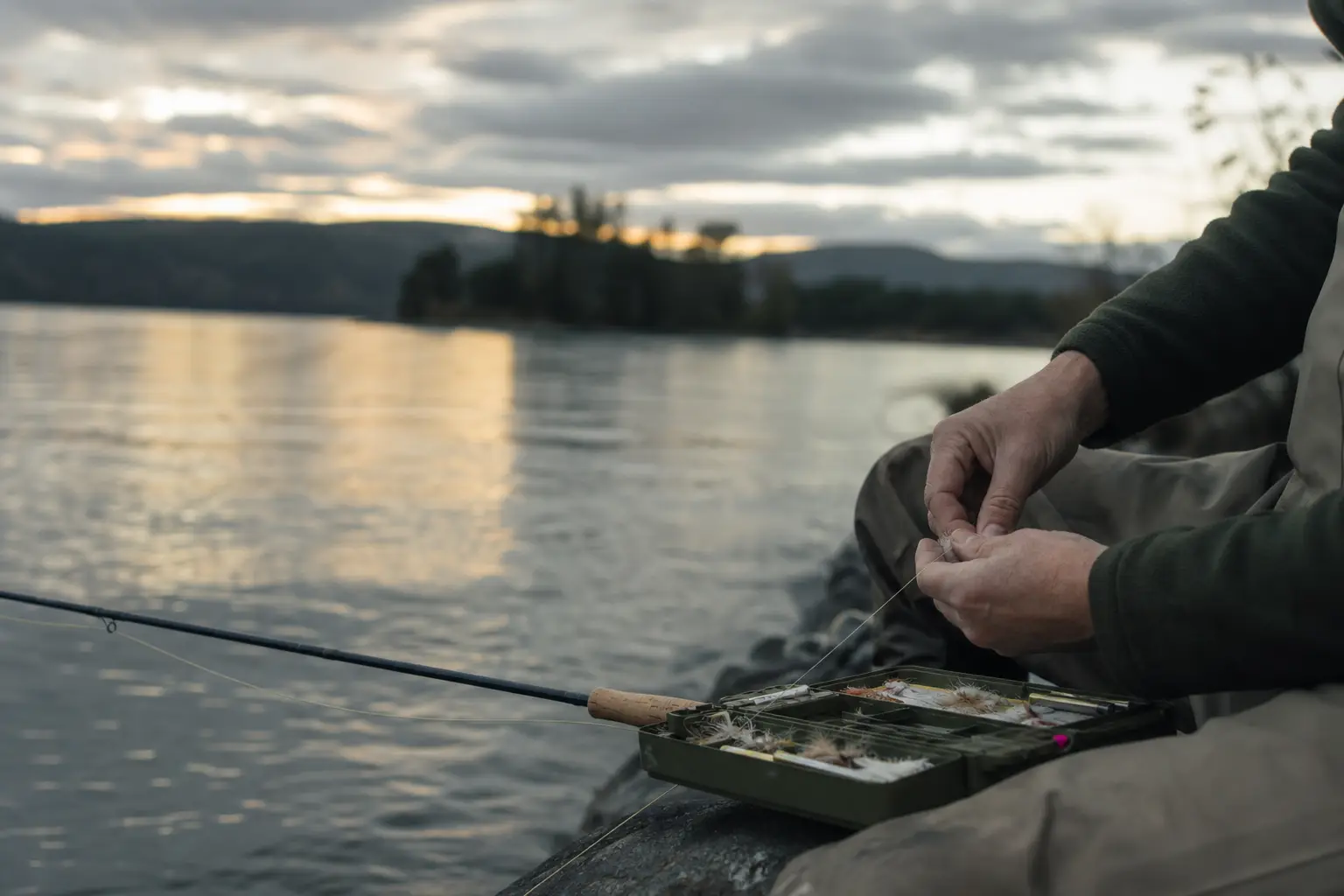
The fish hit at the worst possible second, the way they always do. I had the drag set wrong, my thumb was on the line, and I was looking at my boots instead of the water. By the time I registered what was happening, the rod was bent double and twenty dollars worth of line was peeling off the spool with a sound like tearing tape.
I want to tell you I fought him clean, that I worked him for ten minutes and eased him to the bank and slid my hand under his belly and he went home in the cooler. I want to tell you that, but it would be a lie, and a fisherman’s lies are the reason nobody trusts anything we say. The truth is I had him on for maybe six seconds, and then the line went slack and he was gone, and I stood there on the bank holding a rod that felt about forty pounds lighter all of a sudden.
I reeled in the limp tag end and looked at it. The knot was still there, small and neat and curled like a question mark at the end of the line. It hadn’t come untied. It had cut itself, right at the eye of the hook, exactly where a bad knot always fails. I had tied that knot ten minutes earlier, standing up, in a hurry, one eye on the water and one eye on the thunderhead building in the west. I didn’t wet it. I didn’t cinch it slow. I didn’t pull test it. I just wrapped it a couple times, yanked it tight, and told myself it was good enough.
It wasn’t. It never is.
The Knot Is the Weakest Part, and It’s Always Your Fault
Here’s the part nobody wants to admit, and it’s the reason I’m writing this. When a fish breaks you off, it’s almost never the rod’s fault. It’s not the reel, it’s not the line, it’s not some mythical bad batch from the factory. Manufacturers spend millions making line that can tow a truck. The thing that fails is the place where you joined two pieces of that line with your own two hands, usually in a rush, usually while standing in poison ivy.
A knot in monofilament or fluorocarbon is a stress concentration point. That’s the fancy way of saying the line is fine everywhere except where you bent it back on itself and cinched it down. Depending on the knot, you can lose twenty, thirty, even forty percent of the line’s rated strength right at that little loop. That’s not a defect. That’s physics. You can tie the best knot on the best line and still be handing the fish back a chunk of the strength you paid for.
Which means the difference between landing a fish and handing it its freedom is usually about ten seconds of care at the exact moment you have the least patience for it. I’ve lost three fish to bad knots that I can remember clear as photographs, and every single one of them was because I was in a hurry or too lazy to retie after a snag.
The Knot I Half-Remembered
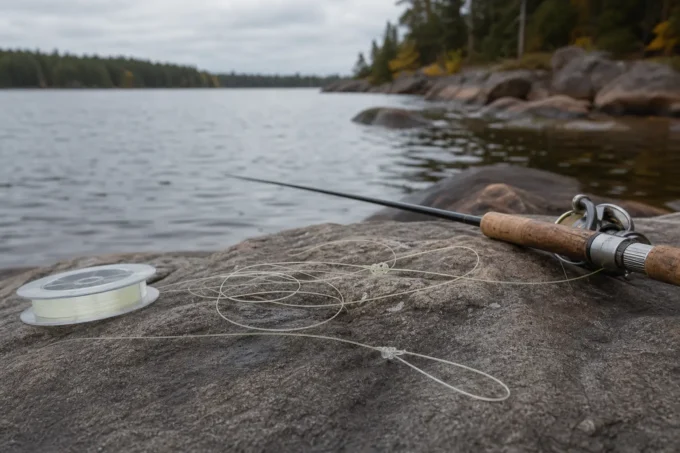
The worst part is that I knew better. I had watched a hundred videos and read the diagrams like everybody else, and I still tied the thing wrong because I was trying to remember it from a thumbnail instead of actually knowing it. The problem with learning knots from videos is that they all move too fast. Some guy’s fingers blur for eleven seconds, the camera cuts to a finished knot that looks like it belongs on a sailboat, and then he says “just repeat that” and moves on, and you’re sitting there with a bird’s nest in your lap feeling like an idiot.
So what I actually tied that afternoon was something in between. Half a fisherman’s knot, half a granny, two wraps short of a proper half hitch, finished with a yank that I hoped would make up for everything I’d skipped. It held long enough to fool me. That’s the cruel part about a bad knot. It doesn’t always fail in your hand where you can see it and fix it. It holds right up until a real fish leans on it, and then it fails exactly where it should have held, and you don’t find out until the fish is already gone.
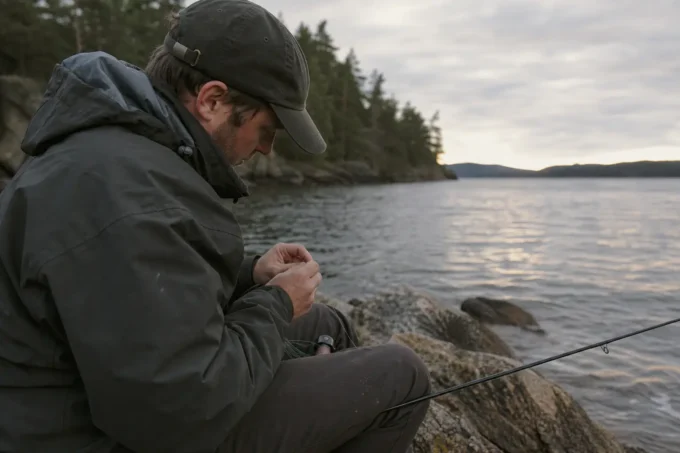
Over the next few weeks I did what I should have done years earlier. I sat down at the kitchen table with a spool of cheap line, a hook with the barb filed off, and a pair of needle-nose pliers, and I tied one knot over and over until my fingers knew it without my brain getting in the way. I’m not going to pretend I learned fifty knots. I learned two, because two is enough, and learning them cold beat half-learning a dozen.
Two Knots That Cover Almost Everything
The first is the improved clinch knot, which ties your line to your hook or lure, and it’s the one I’d been butchering. Five or six wraps through the eye, thread the tag end back through the little loop above the eye and then through the big loop you just made, wet it, and draw it down slow with steady pressure. It takes maybe twenty seconds when you actually know it. The wetting matters more than people think, because a dry knot cinches with heat and friction and it weakens the line right at the bend, which is the exact spot you need to be strongest.
The second is the uni-to-uni knot, which joins two lines together when you’re putting on a leader, and it’s saved my whole setup more times than I can count. You double up the line, wrap the tag around both strands six or seven times, wet it, snug it, and then do the same thing on the other line and slide the two knots together. It sounds complicated written out, but in the hand it’s two identical motions, and once you can do one you can do the other.
You could fish a whole lifetime in fresh water on just those two knots and never feel under-gunned. That’s the dirty secret nobody selling you a fifty-dollar knot-tying book wants you to know. You don’t need the whole bible. You need one knot to the hook and one knot to the leader, and you need them so solid you could tie them in the dark with cold hands and not a flicker of doubt.
The Ten-Second Rule
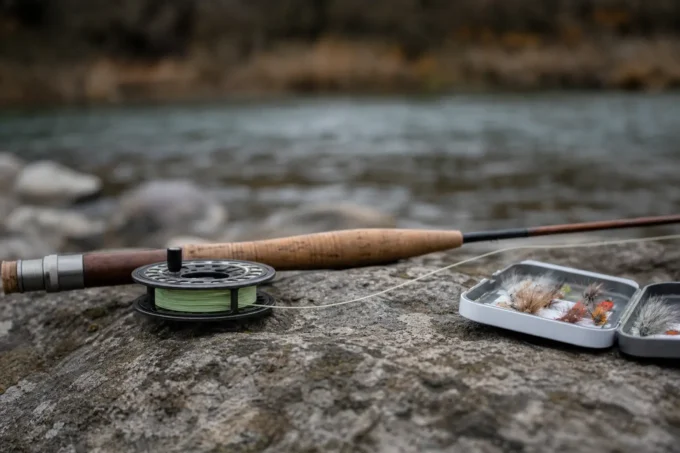
I also started following a rule that has cost me more fish than it’s ever cost me time, because it’s the right kind of discipline. Before I cast, I grab the hook and the line up by the knot and I pull. Not hard enough to break anything, but hard enough to know if the knot is going to slip. And if I’ve hung up on a log or pulled out of a snag or caught a fish that thrashed, I don’t just keep fishing. I cut the line above the knot and retie.
Line is cheap. Retying takes twenty seconds. The fish you hook next year on a fresh knot doesn’t mind waiting twenty seconds, but the one that breaks you off on a frayed knot will haunt you all season.
I’ve watched guys lose fish and blame the drag, blame the rod, blame the fish for being too strong. It’s almost never the drag. The drag did what it was told. The knot is the thing that quit. And the knot is the only part of the whole equation that you tied with your own hands, so when it fails, it’s not the fish that was too strong and it’s not the gear that let you down. It’s you.
The Same Fish, Two Years Later
I fished that same stretch of water for most of the next two summers, partly because the fishing was good and partly because I had a score to settle with that stretch of current. I told myself the same fish was probably still down there, which is the kind of thing fishermen tell themselves so they don’t have to accept that they just missed one and that’s the end of it.
Then one evening in late September, right at the same spot, something took the bait and this time I was ready. The drag sang, the rod loaded, and I didn’t panic or thumb the spool or look at my boots. I just let him run and worked him back slow, ten minutes and change, and when he slid into the shallows and rolled on his side I saw he was a good fish, not the fish of a lifetime, but respectable, the kind you’d show somebody.
The knot held. I’d tied it sitting down, wet, slow, and I’d pull-tested it before I even cast. It did exactly what it was supposed to do, and I landed the fish and it went in the cooler and I sat on the bank for a while feeling like I’d finally evened the score, even though I knew the fish I’d lost two years ago was long gone and this was a different animal entirely.
That’s the only lesson that ever really stuck with me, and it’s a simple one. The knot you rush is the fish you lose. Tie it like the fish depends on it, because it does. Every single one you ever hook is holding on to nothing but your own hands, and if your hands got lazy, the fish doesn’t owe you a second chance.