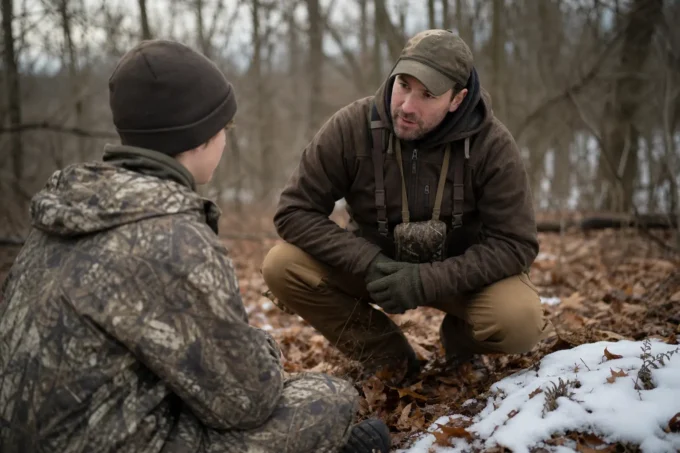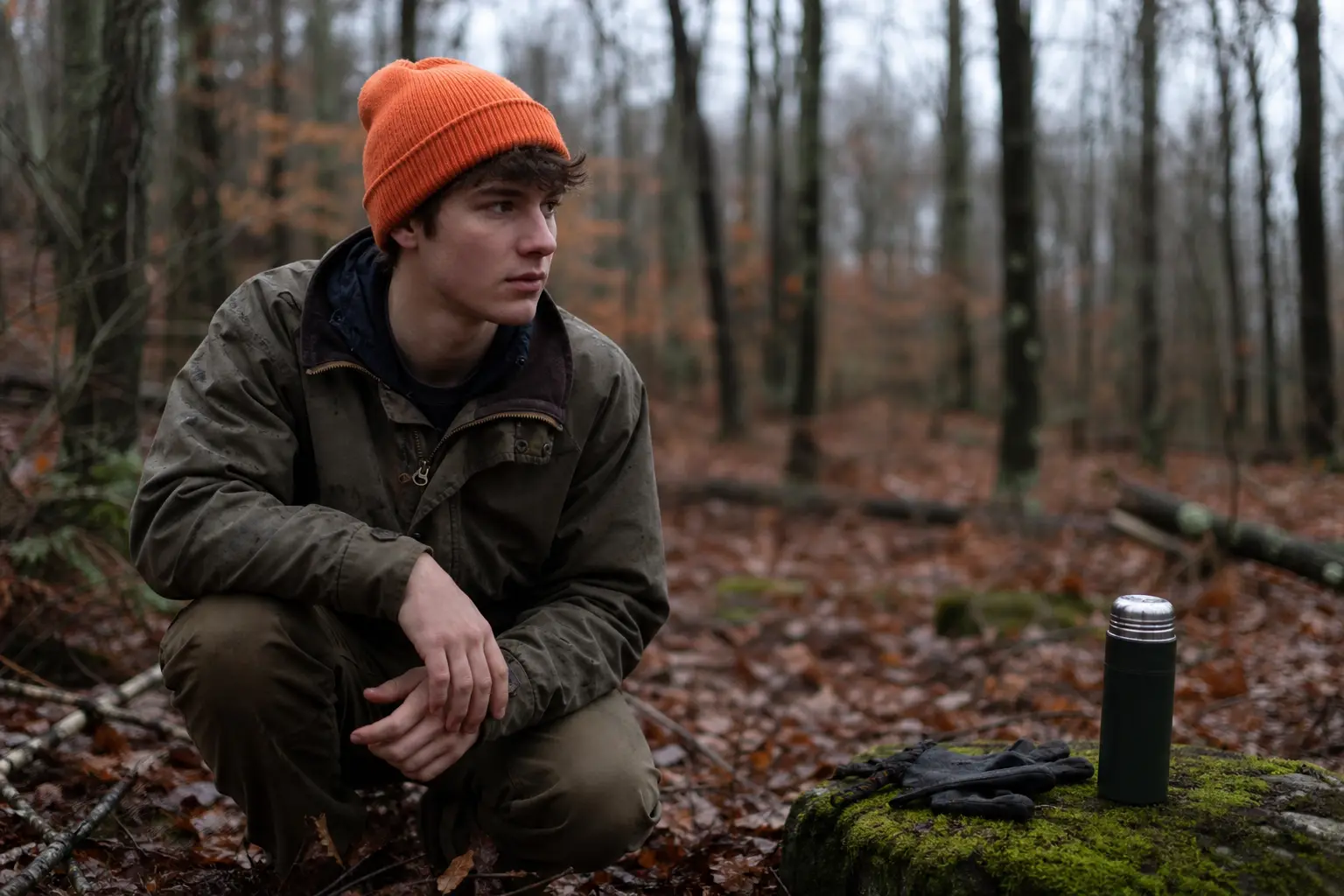
I shot my first deer at eighteen and spent the next hour wondering why I did not feel like a man. I had spent the whole fall building up to that moment. I had practiced with my uncle’s thirty-thirty until my shoulder ached. I had sat through more sunrises than school days, waiting, cold, telling myself that when it finally happened I would know exactly what to do with the feeling. And then it happened, clean, and the feeling did not show up the way I had ordered it.
The doe dropped where she stood, maybe ten feet from where I had picked her in the brush. Through the vitals, no running, no tracking job. That is the kill every hunter tells you to be proud of, the one that means you did it right. And there I was, standing over her with my hands shaking for a reason I could not name, and the first real thought I had was not “meat in the freezer.” It was “what did I just take, and why do I get to take it.”
This is the part nobody at deer camp warns you about, because deer camp is bad at feelings. The old men tell you to shake it off. The young men tell you it is just adrenaline. Somebody always says something about how the deer had a good life and died fast and now it is going to feed somebody, and all of it is true and none of it made the hollow place in my chest go away. For a long time I thought the hollow place meant I was not cut out for it. I am telling you now, twenty years on, that the hollow place is the part that makes you cut out for it.
The Two Kinds of Bad Feeling
It took me years and a handful more deer to sort out that there are two completely different things that get called the same word, and confusing them is where most hunters get themselves in a knot.
The first one is right. That is the bad feeling you get when you did something actually wrong. You took a long low-percentage shot and the deer ran off with an arrow through the guts. You shot at last light when you could not see your peep. You pulled the trigger on a running animal because you were tired of going home empty. When you get that feeling, it is your conscience doing its job, and you should listen to it, because it is the only thing standing between you and becoming a slob.
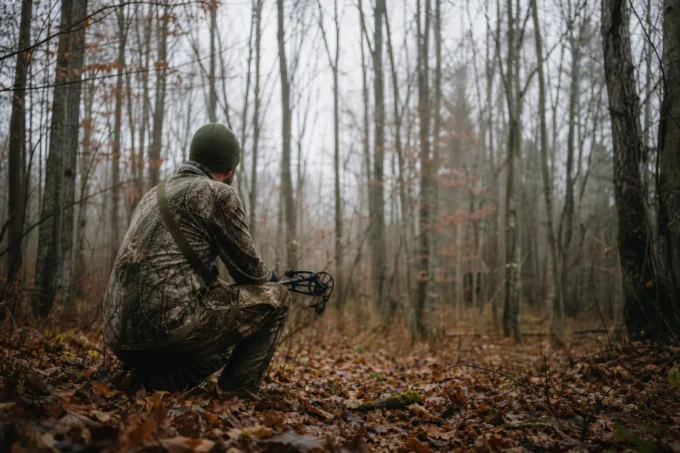
The second one is heavier and harder to explain, and it is the one I had standing over that doe. The kill was clean. The shot was good. Nothing about it was a mistake. And I still felt a weight settle on me the second her eyes went still. That weight is awkward to talk about because it sounds like regret, and nobody wants to be the guy who secretly regrets the thing he spends all year chasing. But it is not regret. Regret is about wishing you had not done it. This is about understanding, finally, that the thing you did actually cost something.
A deer is not a paper target that stands up in a field and waits to be punched. It is a whole animal with a whole life, and it was there the week before and it would have been there the week after, and taking it out of the woods is a real and permanent thing. You are allowed to feel that permanence without it meaning you wish you had let her walk. Those are two different rooms in the same house, and a lot of men only ever visit one of them because the other one scares them.
The Man Who Walked Away
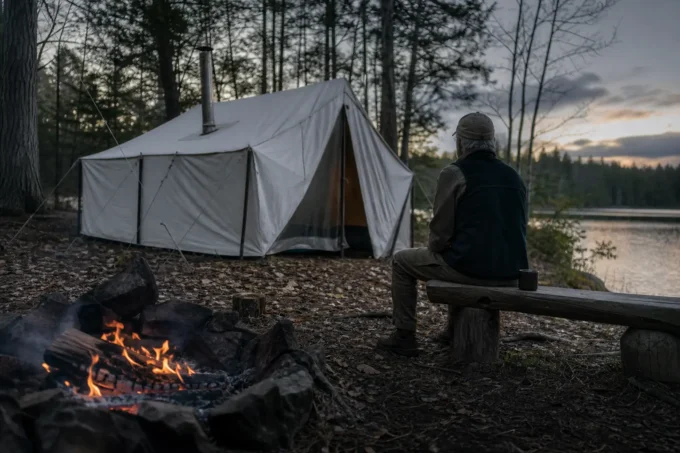
I met a guy about ten years back who changed the way I think about this, and he did it by quitting. We were grouse hunting, camped in a wall tent in northern Wisconsin, and the conversation went long after the fire got low. He told me he had shot a big ten-point one year, a buck he had been chasing on trail camera for three seasons. Perfect broadside shot, sixty yards, and the deer died before it knew it. And he said he stood over that buck and felt nothing at all. Not pride, not sadness, not anything. Just the mechanical satisfaction of a job finished.
“That scared me more than any wounded deer ever did,” he said. “I could feel the caring leaking out of me. Like the thing I loved was turning into a chore where I just showed up and pulled the trigger.”
He kept hunting for a couple more years, he said, and then he put his guns away for a while, not because he felt too much but because he felt too little, and he could not stand who he was becoming. He came back to it a few seasons later with a different head, and he told me the whole trick was staying on the right side of that line. The guys who feel too much are fine, learn to carry it. The guys who feel nothing are the ones in trouble, because they are the ones who eventually take the lazy shot, or leave a carcass half-broken in a ditch for the coyotes, because it stopped mattering.
What I Tell a New Hunter Now
I have introduced maybe a dozen people to hunting over the years, and I have learned that the conversation after the first kill matters more than any of the practice beforehand. So here is the version of it I give, the one I wish somebody had given me when I was eighteen and standing over that doe with shaking hands.
- Feeling something is the point. If you felt nothing, that would be the problem to worry about.
- Sadness and respect are not weakness, and they are not the same thing as wishing you had not pulled the trigger.
- A clean kill does not make the weight go away. It makes the weight honest. You owed that animal a good ending, and you gave it one.
- Do not rush the field dressing to get past the feeling. Take the minute. Say whatever you say. Then get to work and do the animal right.
- If you take a bad shot and wound something, that is a different feeling, and you do not paper over it with the same words. Learn from it and be better next time.
The deer I remember best is not the biggest one on the wall. It is the first one, the doe, and I do not remember her because she was a trophy. I remember her because of what the weight taught me about why I was out there, and about who I did not want to become. The meat was good. The lesson was better. And both of them are still with me twenty years later, in the freezer and in the chest, where they belong.