Your license is valid. The season is open. You are standing on public land with a tag in your pocket, and you can still be hunting illegally. That is not a scare line. That is how layered regulations actually work.
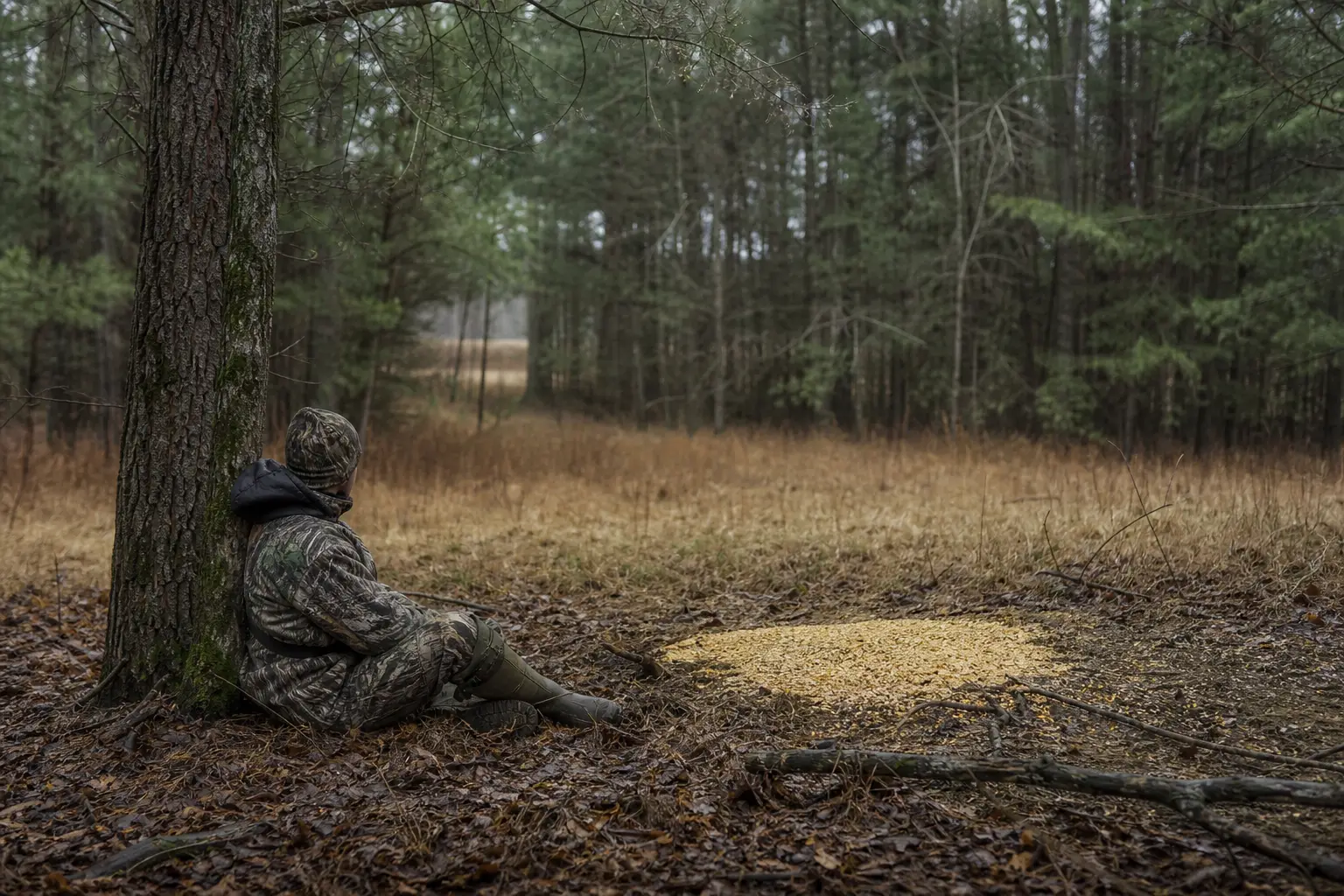
Here is the model case. A hunter sits over a corn pile forty yards inside a south Georgia Wildlife Management Area where bait is banned. His statewide license is current. The general deer season is running. He gets a ticket anyway, because the rules on that specific piece of dirt are tighter than the rules for the state, and he never read the second set.
Regulation does not come in one flat sheet. It comes in layers, and every layer can carry its own dates, its own permit, and its own weapon rules. You can be legal in four layers and illegal in the fifth, and the fifth is the one that costs you. Here is how the layers actually stack, and where hunters get tangled in them.
Layer One: The Statewide Season
This is the big one everybody checks. Archery runs these dates, firearms run those dates, here is your bag limit, here is what a valid buck looks like. It applies to the whole state until something more specific says otherwise.
Most hunters stop reading here. That is the mistake.
Layer Two: The Unit, Zone, or GMU
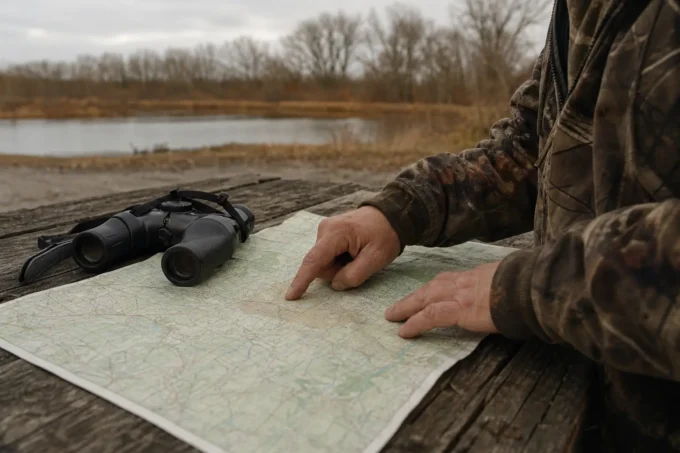
Most states split themselves into Game Management Units, hunting zones, or GMUs. These can change the bag limit, the antler rules, the weapon type, or the dates from one side of a county line to the other. A deer is not a deer everywhere. The same animal is a legal buck in one unit and a ticket in the unit twenty miles east.
Layer Three: The Specific Property
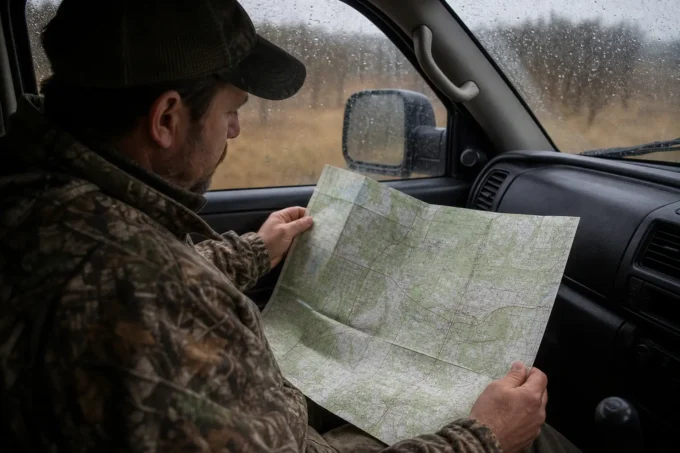
This is where public land gets mean. A Wildlife Management Area, a state forest, a national wildlife refuge, or a quota hunt area can carry rules that do not exist anywhere else in the state. A Florida WMA is the cleanest example. You can hold a valid license and be inside a correct statewide season, and the WMA itself can still run different dates, require its own permit, or restrict you to a single weapon type for that stretch of days.
Public land is not one rulebook. Every WMA is its own little country.
Layer Four: The Disease Zone
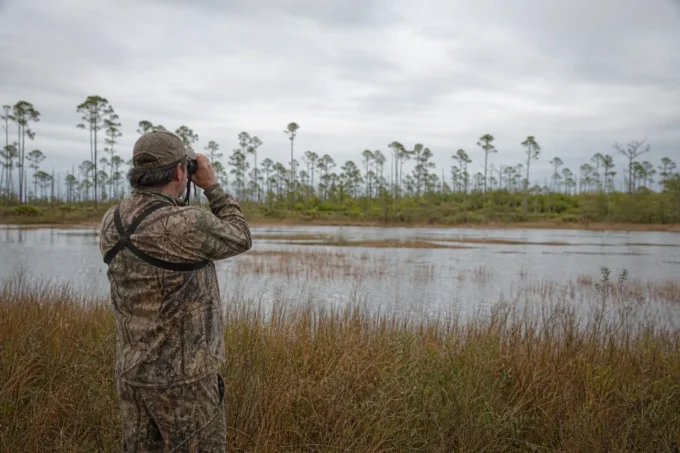
Chronic Wasting Disease has added a layer most hunters never grew up with. A CWD Management or Surveillance Zone can ban bait, force you to check in every harvested deer, or tell you exactly how you may move a carcass out of the area. None of it has anything to do with your tag. It has to do with a prion that does not show symptoms for years.
Layer Five: County-Specific Rules
Some states write rules that apply county by county. Antlerless permits, bonus tags, and even legal shooting hours can vary by county or zone. The state guide says one thing, the county addendum says another, and both are real.
What Happens When the Layers Stack
Here is the part that actually confuses people. The layers do not replace each other. They stack. You have to satisfy all of them at once.
Take a deer you shoot on a WMA that sits inside a CWD zone, in a county with its own antlerless rules, during a special permit hunt. Your tag has to be valid for that unit. The WMA has to be open that day with your weapon. The CWD zone tells you how to handle and move the animal. The county tells you whether a doe was legal. Miss any one of them and the warden is not going to care that the other four were fine.
Why 2026 Is the Year the Maps Changed Under People
If you hunt the same spots year after year, this is the year to actually re-read your unit maps. Three states rewrote theirs in ways that will burn hunters who trust last season’s memory.
Iowa split resident deer hunting into two new zones. Starting with the 2026-27 season, Zone A and Zone B carry different bag limits and antler rules. Zone B is the tighter one, with buck-only restrictions, county Any-Deer permits, and a ban on party hunting. A hunter can buy up to two General Deer licenses, any mix of Zone A and Zone B, but no more than one archery tag and one firearm tag.
Nebraska redrew its deer management unit lines. The single River Antlerless unit got split into four units, and River Antlerless permit numbers dropped 31 percent. The Pine Ridge and Plains boundary moved at Box Butte Reservoir, and the old Mule Deer Conservation Area designation is gone. A guy who drives out on last year’s map can be standing in a different unit this fall and never know it until the permit check.
Delaware went further. On August 17, 2026 the state adopted emergency rules after CWD showed up in two deer, creating a CWD Management Zone that covers Wildlife Management Zones 14 and 16, including Midlands Wildlife Area and Trap Pond State Park in lower Sussex County. Inside that zone, bait and feed are now banned. During the November 13-22 general firearm season, any deer taken in the zone has to be checked in at one of two designated stations: the Jones Crossroads Landfill near Georgetown, or the Gumboro Service Center. Carcass transport rules apply on top of that. None of it changes your tag. It changes what you are allowed to do around it.
How to Not Be the Guy With a Ticket
I will keep this short because the whole skill is boring and takes ten minutes.
- Read the state guide for your unit, not just the season dates.
- Before hunting public land, pull that specific property’s rules. WMA pages change every year.
- Check whether your spot sits in a CWD zone and what that zone requires.
- Read the county addendum if your state has one.
- Call the regional office if any two layers seem to disagree. Get the answer from the agency that enforces the rules.
The license proves you are allowed to hunt. It does not prove you are allowed to hunt where you are standing, the way you are standing there. Those are separate questions, and the maps that answer them changed this year.