The Lease That Cost More Than the Truck
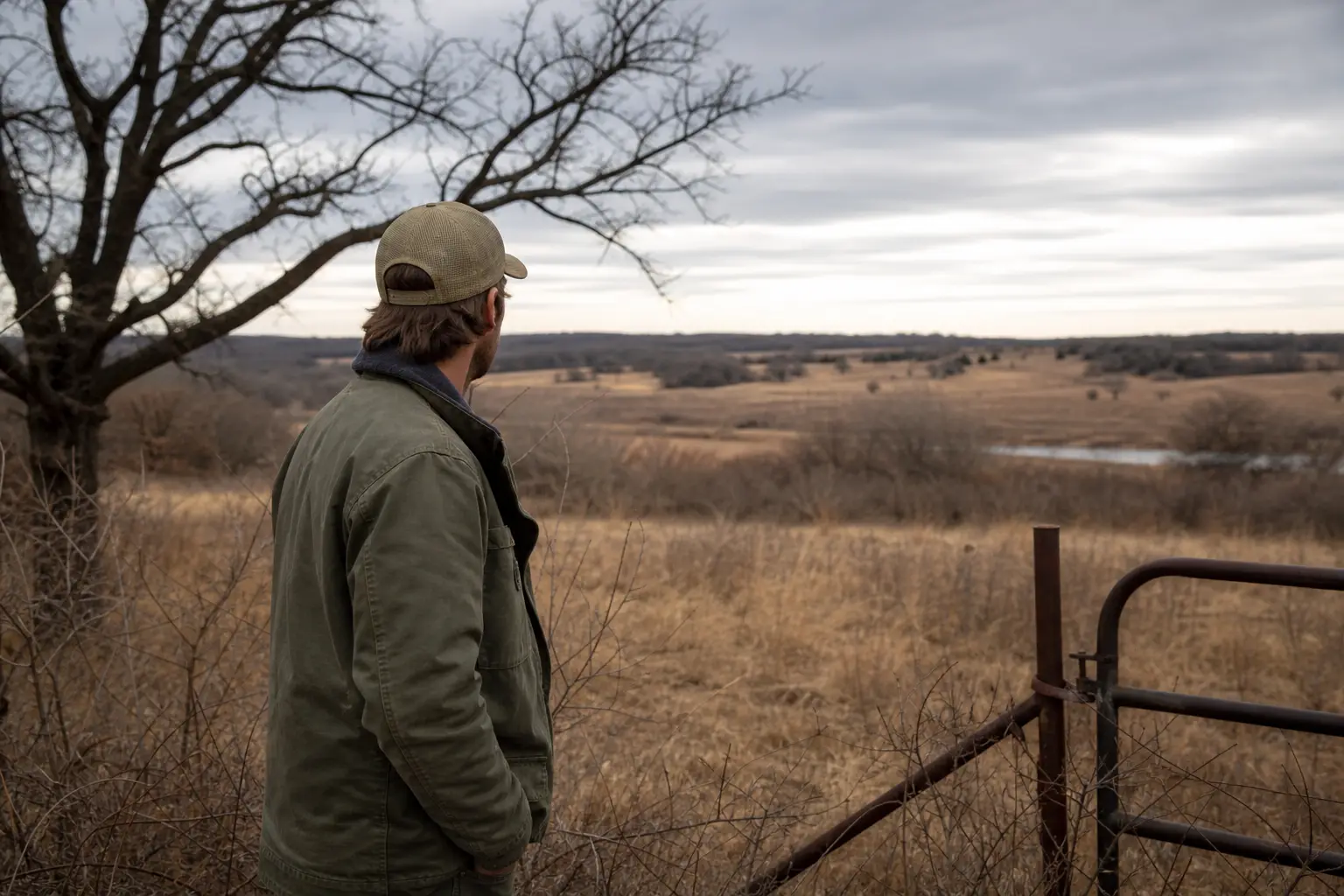
The first time I watched a hunting property slip away to an outfitter with a bigger checkbook, I did not feel angry. I felt something worse. I felt like I had been standing in the wrong line my whole life and nobody had told me. The ground my dad and I had walked for six seasons, the same fence line I learned to read a scrape on, went up on a broker’s site with a four-figure number and a photo someone took at golden hour like it was a listing for a house I would never afford. It was not a house. It was three hundred acres of oak and creek bottom where I killed my first deer. And now it had a price tag pinned to it like a menu.
The old man who owned it did not hate us. He was eighty, his kids had moved to the city, and the taxes on a big flat piece of ground do not care how many memories you strung across it. When somebody offers you real money to lease what you can no longer work, you take it. I understood that the second I got past my own hurt. Understanding did not buy me the fence line back. That is the part the gut feels hardest. Nobody did anything wrong, and the ground still left anyway.
What a Handshake Used to Buy
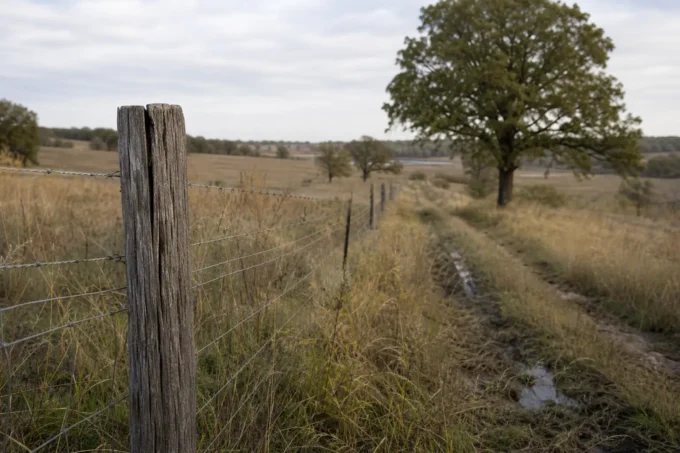
My dad never had a lease. He had a handshake and a reputation and a wooden fence he helped fix one June because the landowner mentioned it hurt his back. That was the whole contract. We kept the gate shut, we left no trash, we brought the man venison whether we filled a tag or not, and in exchange we got to hunt a corner of the world that had no public sign on it and no check required. The deal was older than any of us and it ran on one thing only: trust.
I did not know how good I had it because I was a kid and kids assume the good thing was always going to be there. That fence, that handshake, that man who waved from his porch, it all felt permanent the way a hometown feels permanent until you move away and come back and the diner is a bank. I can still close my eyes and see the man on the porch, and I can tell you the exact day he stopped being there, when the for sale sign went up and the handshake stopped being currency and became just a thing two men did with their hands once.
Nobody sells you the lesson that the cheap ground was always being held open for you by somebody’s goodwill. You learn it when the goodwill retires and the checkbook moves in. By then you are standing outside the gate with your rifle in the truck and nowhere to point it, and the whole tradition suddenly looks like a club you were never really a member of, just a guest somebody liked.
The Year I Thought It Was Over
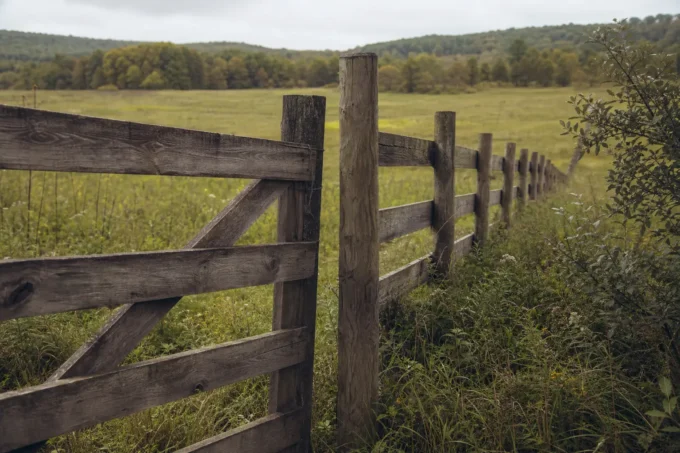
The first season after we lost that property, I let myself believe the lie that a lot of men my age are believing right now. I told myself hunting was becoming a rich man’s game and a working man like me was getting priced out for good. I said it out loud enough times that it started to feel like fact. It is an easy story to fall into because it lets you be the victim instead of the one who has to figure it out. There is real anger underneath it too, and real reasons for it. Leases are climbing. Outfitters are buying up access and selling it back by the weekend. Tags in some states cost more than my first car. I had every right to be mad. But being right to be mad is not the same thing as being done.
What pulled me out of it was not a policy and not a windfall. It was an old man at a bar in a town I had driven through a hundred times and never looked at twice. I was complaining loud enough to be heard, which is its own kind of confession, and he set his beer down and looked at me the way you look at a man who has forgotten something he used to know.
He said, “Son, there is a million acres of public land between you and the ocean, and you are sitting here acting like somebody locked the door.” Then he went back to his beer and left me alone with a feeling I could not shake for three days. He was right. I had been so busy mourning the ground I asked a handshake for, I had forgotten the ground that was never anybody’s to take in the first place.
The Ground That Was Never For Sale
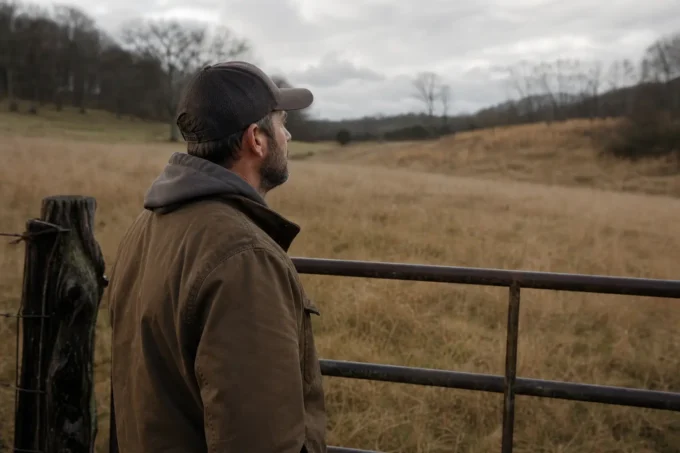
Public land is the quiet miracle the whole tradition is built on, and most hunters never thank it properly. It does not need a handshake. It does not need a broker. It needs a man willing to walk farther than the next guy and sit longer in weather that does not care about his comfort. That first public season was humbling in a way the private ground never asked me to be. The private ground spoiled me rotten. I could drive to a gate, park, and be on a doe by first legal light. Public land made me earn every single inch of it, and for a while I hated that, because I had confused convenience with access and lost both at once.
The thing you learn on public land, after the initial spite wears off, is that the animals are still animals. The creek bottom does not know what the sign says at the road. A good buck reads cover and wind and pressure, and if you can get there on foot at four in the morning with a cheap gun and a good wind, he will offer you the same hundred-yard shot he would offer a man who paid four thousand dollars for the weekend. The ground is not a luxury. It is a birthright we almost forgot we had, and the only thing that keeps it open is enough of us actually using it instead of sitting at a bar mourning a lease.
That season I learned to walk. I learned to look at a map and pick a drainage and commit to it instead of driving from parking lot to parking lot hoping to get lucky. I killed a small buck on the fourth Saturday, two miles in, and I carried him out in the dark over my shoulders, and I have never felt more like I belonged to this thing than I did bleeding into the strap of my own pack with nobody around to clap. That is the part no outfitter can sell you, and it has never once gone up in price.
What We Actually Owe
Here is the harder truth, the one the country club complaint lets a man skip. The tradition is not being taken from us by a checkbook. The tradition is being slowly let go by every hunter who stops taking a kid, stops fixing a fence, stops buying a license, stops asking a landowner for permission, stops doing the boring stewardship that keeps the whole machine alive. The land has never needed rich men. It has needed enough of us to care while we still could.
The money problem is real and I will never pretend it is not. But the answer was never to wait for access to get cheap again. The answer was to go find the access that was already free and hold it open with our own two hands. Knocking on a door and asking permission still works in more places than a broker’s website will ever tell you. It worked for my dad, it worked for me, and it works best when you show up with a kid in the truck and a promise to leave the place cleaner than you found it. The men who want to be paid will always outbid you. The men who want to be trusted cannot be bought at all, and there are more of them left than the listings make it look.
I did not get the old fence line back. I never will. But I got something steadier, and I got it the hard way, which is the only way it sticks. I got the understanding that the ground was never the gift. The gift was being let onto it, and the gift is still being handed out every single season to anybody willing to walk into the public woods before daylight and act like it matters. Close the gate. Leave no trace. Take a kid. Buy the tag. Knock on the door. That is the whole conservation program, and it has never required a checkbook, only a man willing to show up.