I have a rule about the truck now that came out of the single dumbest morning of my hunting life, and it took about a decade of my old man side-eyeing me before I’d admit the rule was worth writing down. It goes like this: you don’t leave the driveway until the rifle case is in the front seat with you, because a rifle case riding in the back behind the toolbox is a rifle case that’s about to stay home all by itself.
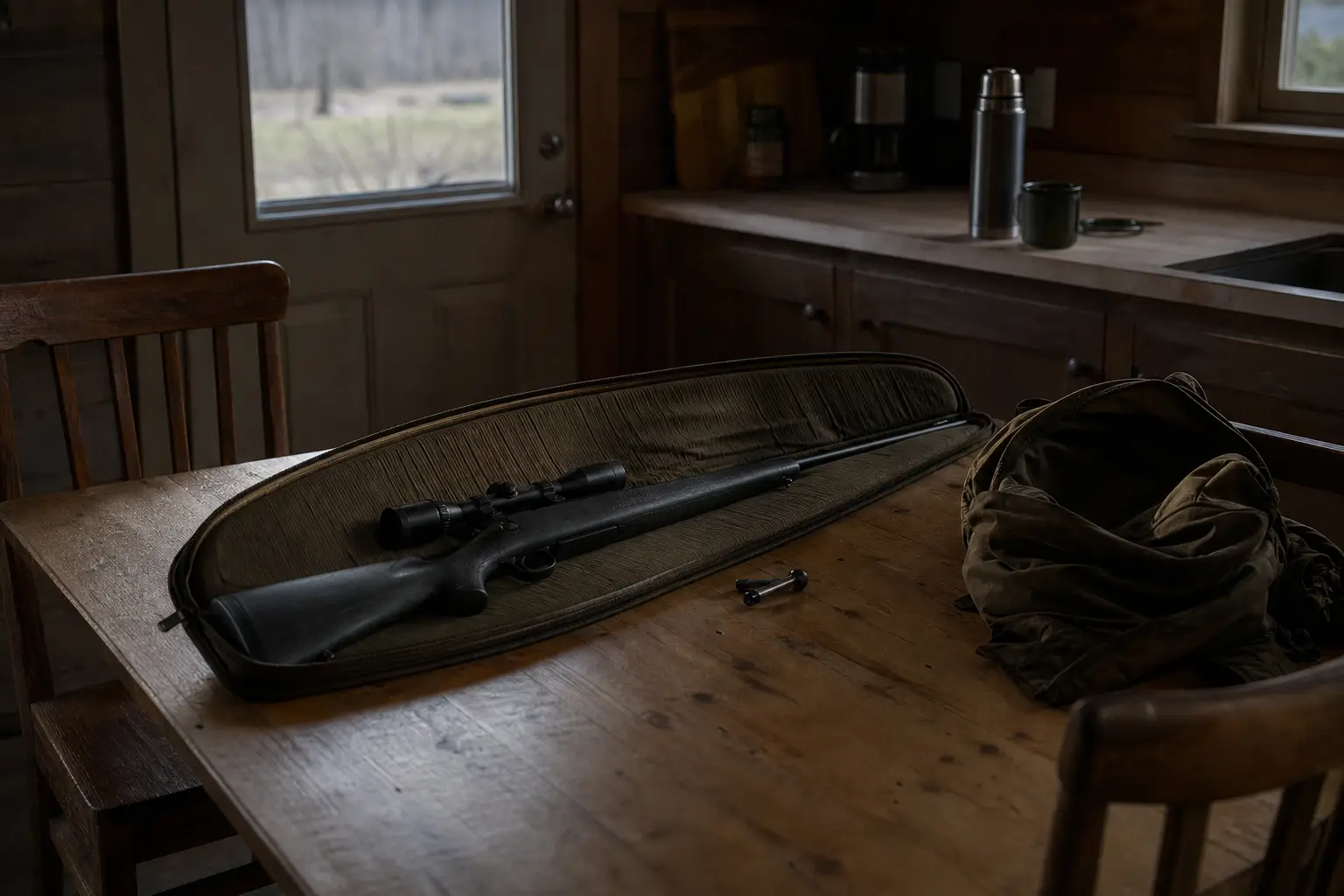
I learned that one at five in the morning, an hour from the lease, sitting at a gas station with a sausage biscuit and no gun. I’d driven the whole way there with my thermos and my cooler and my brand new mid-layer, the one I’d laid out the night before because it made me look like I had my act together, and the whole time the rifle is sitting on the kitchen table where I’d set it loading up. I have a clear picture of it still. Case open, action cracked, the bolt sitting in the pocket of my day pack which was, of course, in the back of the truck with everything else. Everything except the one object the hunt actually required.
The Hour That Shouldn’t Have Happened
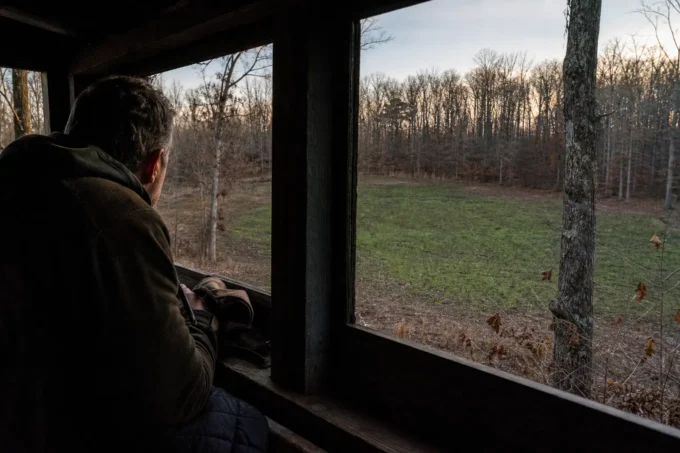
My dad was already at the lease. I called him from the gas station and told him what I’d done, and he was quiet for a long time on the other end, the kind of quiet a man uses instead of laughing so he doesn’t have to spend the rest of the morning explaining why he’s laughing. Then he said, “You drove an hour without your rifle and you noticed at the biscuit,” and it wasn’t a question. I drove back, got the rifle, drove back again, and by the time I got into the stand the sun was already cooking and the movement in the hardwoods had gone dead. I sat there all day staring at a food plot and thinking about how fast a man can lose three hours and still call it a good story.
The kicker showed up at last light. A real buck, a ten pointer, the best deer anybody in that lease had seen in a few years, stepped out at the far edge of the plot and stood there broadside long enough that I could count points. I raised up, settled in, and my hands did everything right for about ten seconds. Then I threw the shot, because I’d been sitting there all day stewing and tired and half-mad at myself, and the minute the deer appeared I stopped doing the slow careful things and just yanked. Clean miss. He didn’t even spook hard, just trotted off into the dark like he knew he hadn’t been threatened by a man who’d shown up with all his gear and none of his sense.
The Problem Was Never the Rifle
I blamed everything that night except the one thing that was true. The wind had shifted. The stand was wrong. The scope had to be off. I sat at the campfire making a list of all the reasons the deer didn’t die that had nothing to do with me, and my dad let me talk the whole list out, and then he said the thing that still lives in my head. “Son, you didn’t lose that buck because the wind turned. You lost it in your kitchen, before you ever got in the truck.”
He was right, and it took me longer than I want to admit to understand what he actually meant. The rifle on the table wasn’t the real mistake. The real mistake was that I’d spent the whole morning running on adrenaline and image, dumping my gear in the truck like I was packing for a picture instead of packing for a hunt. No list. No ritual. No check. Just grab and go and hope, and the hope is what gets you every time, because hope is what a man reaches for when he hasn’t put in the boring work of being ready.
The List I Swear By Now
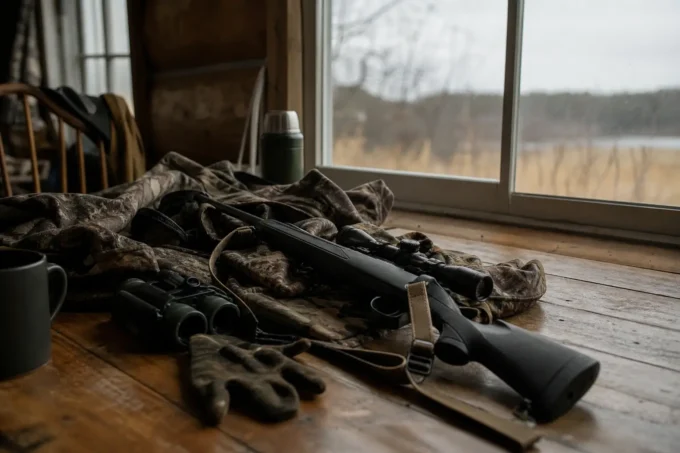
Every serious hunter I know who’s been at this for more than a few years eventually builds the same thing, some version of a pre-hunt checklist, and it always looks boring on purpose. It’s not a fun gadget setup. It’s a short, flat list of the objects and jobs that make the hunt possible, checked in the same order every single time so your hands know the rhythm even when your head is full of half-made plans at four in the morning.
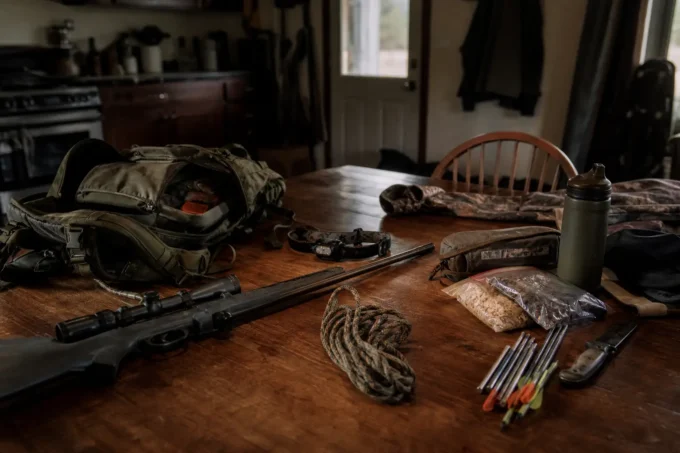
- Rifle or bow in the front seat, case open, bolt or release in the day pack
- Day pack loaded the night before, not the morning of, and never from memory
- License and tag in a zippered pocket, confirmed twice
- Ammunition or arrows, checked for count and condition in daylight
- Knife, headlamp, drag rope, and the water and food for double the stay
The order matters more than the list itself. If you check the rifle first and the tag last, you’ll get in the habit of racing through the tag. If you pack the night before, in the light, with your coffee already done, you stop making decisions at five in the morning, and tired men don’t make decisions, they make mistakes and call them bad luck.
What That Morning Actually Cost Me
The buck walked, and I never saw one like him again on that piece of ground. That’s the part that stings, years later, and it’s also the part that taught me the actual lesson. You don’t get to re-run a day. The animal doesn’t care how far you drove or how tired you were or that you’d been sitting since sunup. He just was there, and then he wasn’t, and the difference between a dead deer and a story about the one that got away was a rifle sitting on a kitchen table and a man who was too proud to walk back in the house and check.
These days I move around the garage in the dark with a small clipped light and I go down the list out loud, like a pilot, and it sounds ridiculous to anybody who’s listening. I don’t care. The boring ritual is the entire reason I’ve shot deer since then instead of telling stories about the weather at the gas station. Show up ready, or the woods will happily let you sit there all day playing pretend, and the ten pointer won’t even slow down to watch.