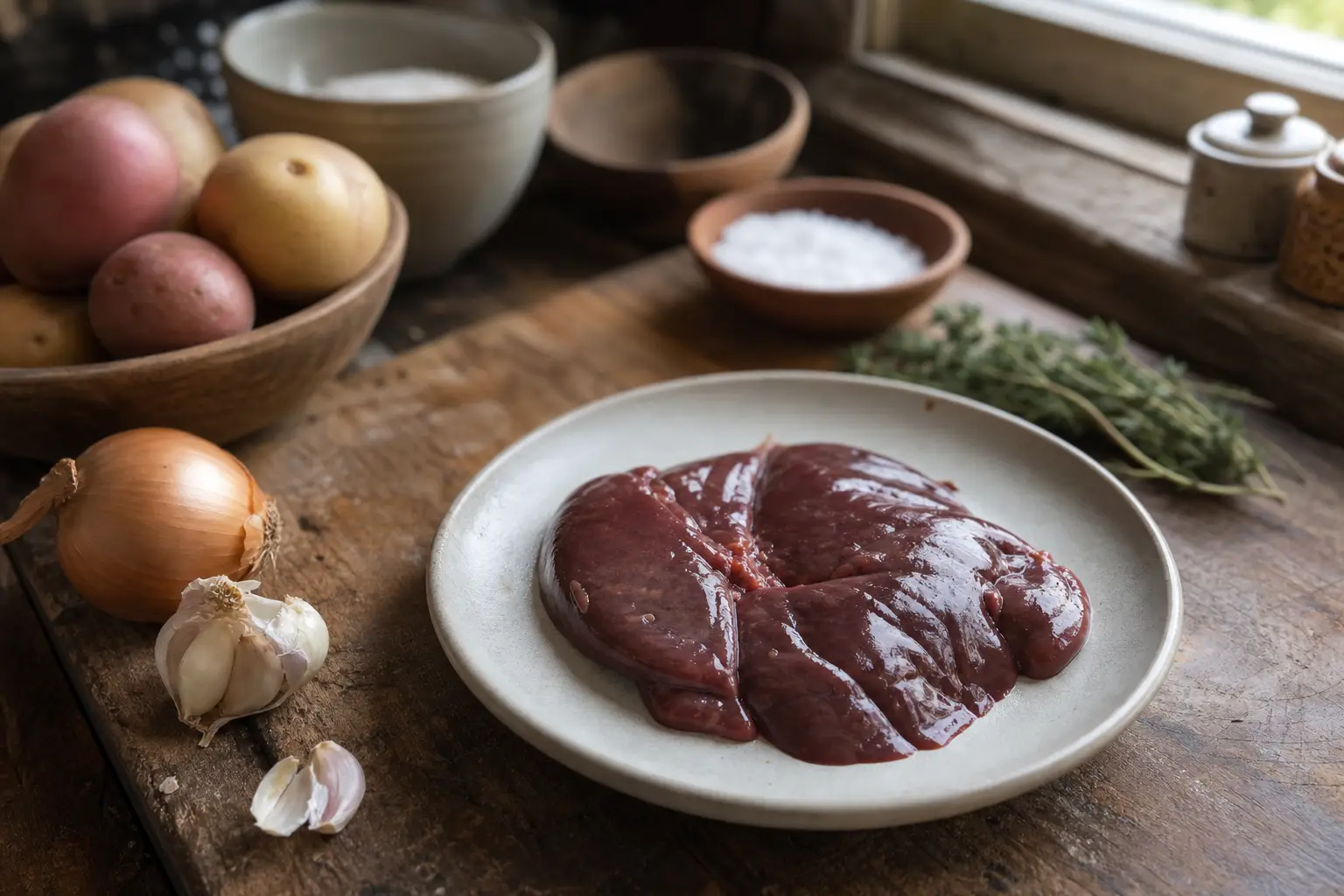
I broke the bile sac on my first deer and then spent three years telling people I did not like liver. That second part was a lie, and I did not even know I was telling it.
Here is what actually happened. I was sixteen, alone in my uncle’s garage at ten o’clock at night, field dressing my first whitetail by headlamp while trying to remember a video I had watched twice on my phone. My hands were shaking from cold and from the fact that the buck was finally down and I had no real idea what I was doing with a knife at the other end of it.
The gallbladder sits tucked up against the liver, a little green sack no bigger than a grape, and it holds bile the way you would expect something green to hold trouble. I had watched the guys online say the same thing over and over: cut the tubes, keep the knife off the thing, do not pop the green sack. I knew this. At 10:12 p.m., while I was sawing through something I did not recognize, I popped the green sack anyway.
What Bile Actually Does to Meat
Bile is not like blood or juice. It is bitter in a way your mouth does not have a good defense against, and it does not wash off with a splash of cold water. The stuff killed in flavor. The liver sitting on my kill bucket was green-streaked and reeking, and I stood there looking at it like it had personally insulted me.
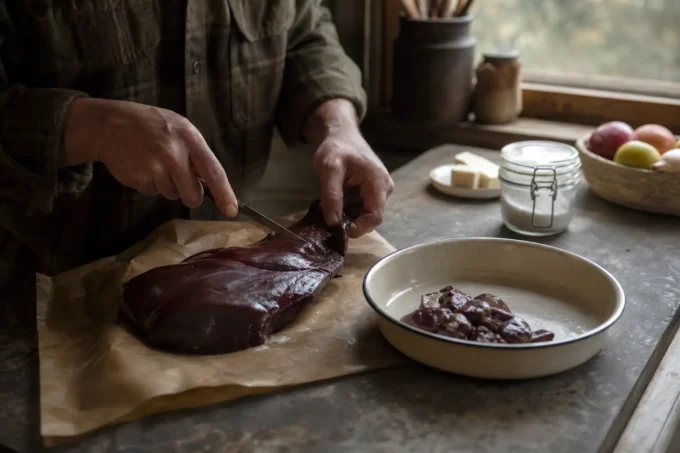
My uncle came out, pointed a flashlight at my mess, and said, “Well. You get to learn the hard way tonight.” Then he made me do something that felt like a punishment and turned out to be the only lesson I actually kept: he made me trim everything the bile had touched. Not rinse it. Trim it. Bile soaked into meat does not rinse off. You cut it away, or you taste it in every bite for as long as that meat is in your freezer.
That was the first time I learned that butchering is not about cutting the deer up. It is about cutting the right things off and keeping the wrong things off the meat. Nobody had ever told me that part.
The Liver I Threw Away for Three Years
That night I tossed the liver into the gut pile and told myself I hated liver, which was convenient and wrong. The truth was I had ruined it and could not face what that said about me, so I decided the organ itself was the problem. My uncle kept telling me liver from a clean-killed deer was the best thing in the animal, and I kept nodding and throwing it away, year after year, out of a grudge against a mistake I made at sixteen.
Then a buddy of mine, a guy named Ray who actually knows what he is doing in a garage, caught me at it. I pitched a perfectly good liver into a bucket and he said, “You are throwing away the best breakfast you could have tomorrow, and you are doing it because you popped one green sack ten years ago and still can’t admit it.”
I hated how right he was.
How to Actually Do It Right
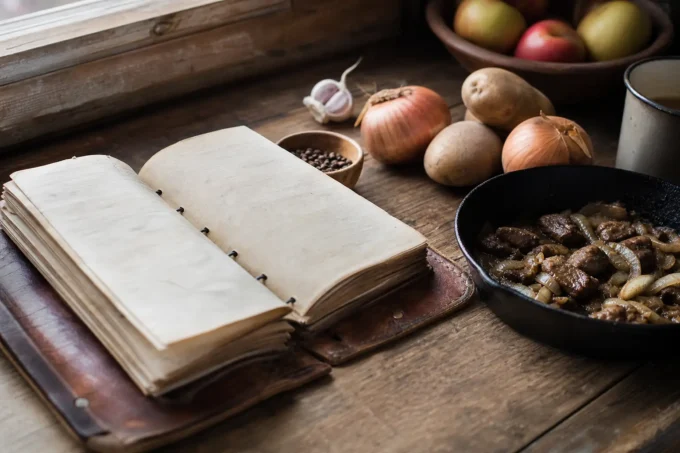
Ray set me straight, and now I actually eat liver and it is not a punishment. Here is what I wish somebody had told me the first time:
- Get the liver out clean and early. The sooner after the shot the better. Warm liver handles better than cold, and you are far less likely to nick the gallbladder when you can see what you are doing in daylight instead of by headlamp.
- Find the gallbladder before you cut anything. It is the green grape tucked against the liver. See it. Point at it. Keep your off hand and your blade both on the other side of it while you separate the liver from the rest.
- If you do pop it, trim, do not rinse. Water spreads the bitter stuff across a wider surface. A sharp knife removes the wounded bit and spares the rest. This is the single rule that separates ruined liver from salvaged liver.
- Soak the liver in milk or buttermilk for a few hours before you cook it. This pulls a lot of the remaining bitterness and iron flavor out and gives you clean, honest liver instead of something that tastes like a dare.
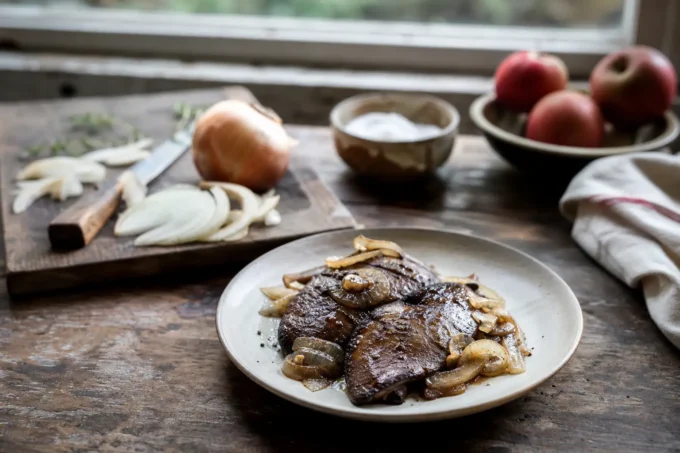
- Cook it fast or cook it slow, never in between. Thin slices seared hard in butter with onions, just shy of pink in the middle. Overcooked liver turns to liver-flavored rubber, and that is where most of the “I hate liver” crowd got their opinion.
The gallbladder is the one thing standing between a man and the most underrated cut on a whitetail, and for three years I let a mistake I made at sixteen stand between me and my own freezer.
The Point of the Whole Animal
I used to think “use the whole animal” was a thing you said to sound like a good hunter. It is not. It is the reason we are hunters instead of people who just shoot things and take pictures of antlers.
A deer has a heart, a liver, kidneys, a tongue, and a whole lot of trim that most guys feed to the coyotes out of habit and call it tradition. I was one of those guys. The night I finally cooked a liver I had taken out myself, clean, from a deer I had shot that same week, I sat there eating it and laughing at the kid in the garage who had been too embarrassed to learn.
Do not be that kid. Pop the sack, learn it, trim it, and then go back and do better on the next one. The only thing dumber than making the mistake is spending three years letting it decide what you are allowed to eat.