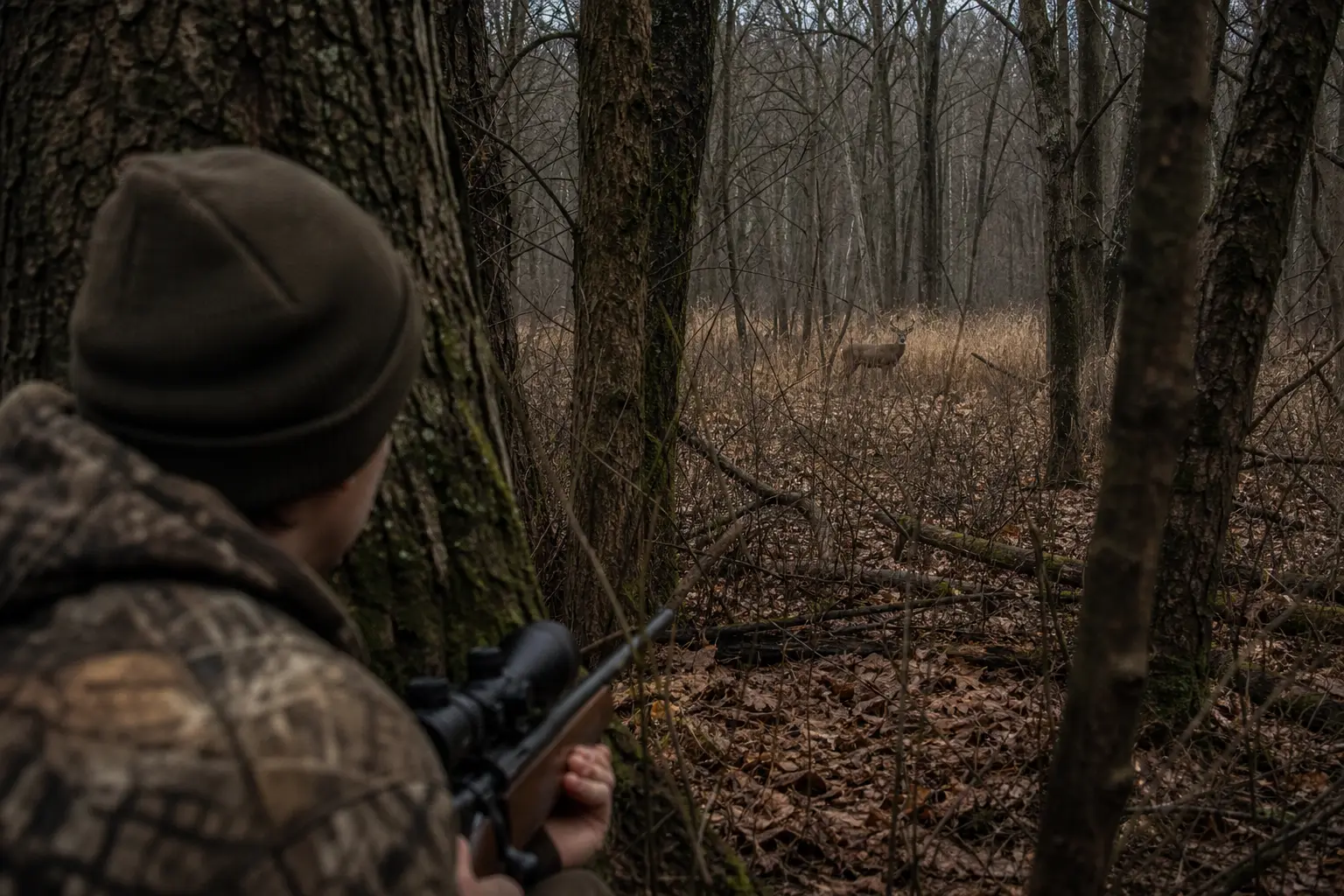
I shot my first deer when I was sixteen. Or at least, I thought I’d shot it. The rifle barked, the deer vanished into the treeline, and my uncle slapped my shoulder like I’d just won the Super Bowl. We walked the shot line looking for blood. Nothing. Walked it again. Nothing. Drove to his buddy’s place an hour later and borrowed a tracking dog. Two hours after that, the dog found the deer — about forty yards into the woods, perfectly healthy, grazing. I had missed so completely the animal didn’t even bother running far.
That was my introduction to deer hunting: an entire afternoon of tracking a perfectly healthy animal that had no idea it was supposed to be dead. My uncle thought it was hilarious. My ego took a lot longer to recover.
Nobody Warned Me About Buck Fever
Here’s what the hunting shows don’t tell you: your first deer, at close range, will absolutely wreck your ability to function. I knew how to shoot. I’d been shooting paper targets at the range for two years. My groups at a hundred yards were respectable — not competition-grade, but certainly deer-grade. I thought the hard part was marksmanship. I was wrong.
The hard part is what happens when a living animal steps into your scope after six hours of sitting in the cold. Your heart starts pounding in your ears. Your breathing goes shallow. The crosshair does this little dance across the deer’s vitals like your hands have been replaced with tuning forks. You forget whether you racked a round. You forget whether the safety is on. You forget your own name. All those tight groups at the range suddenly mean nothing because paper doesn’t make your adrenal glands fire like a flintlock.
I missed that deer because I jerked the trigger like I was starting a lawnmower. My uncle, who’d been watching through binoculars, just shook his head. “You’re not shooting at a stop sign,” he said. “Breathe. Then shoot.” I didn’t breathe. I just shot. And I missed.
The Second One Was Worse
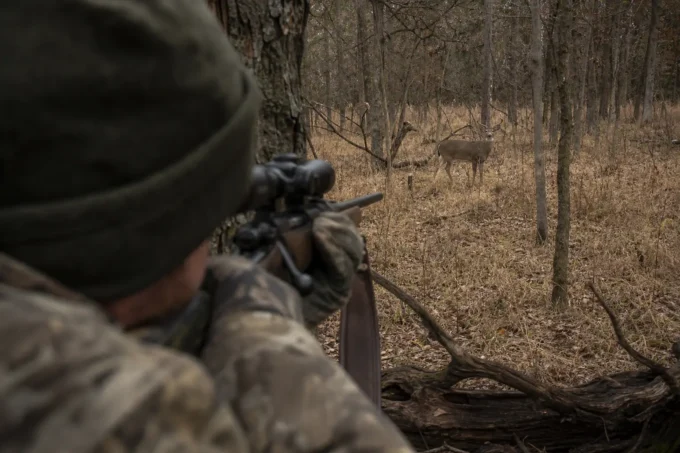
Two weeks later, same stand, different deer. This time a young buck — maybe six points, nothing huge, but to a sixteen-year-old he may as well have been a bull elk. I spotted him at about eighty yards, slowly working through the brush. This time I was determined. I told myself I’d breathe. I’d settle. I’d be calm.
I was not calm. My heart rate must have hit 140 before I even touched the trigger. But I remembered to breathe — one deep breath, let half out, hold. Crosshair settled behind the shoulder. Squeeze. The shot felt good. The deer dropped. I sat there, shaking, for probably five minutes before climbing down.
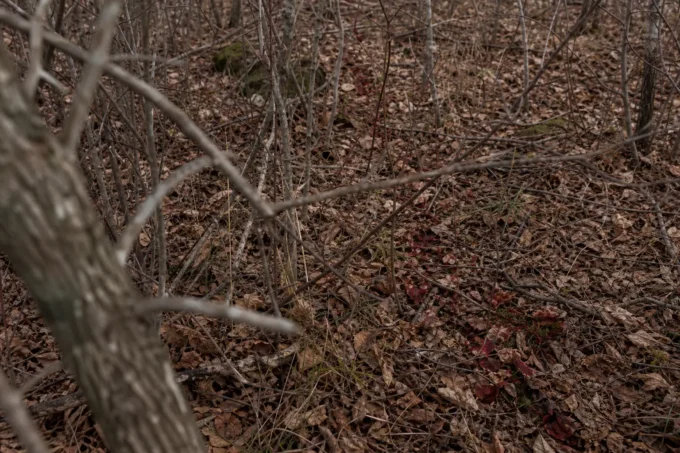
When I reached the spot where he’d gone down, there was no deer. There was blood — a decent trail — but no deer. We tracked it for about three hundred yards through thick brush, the blood getting sparser, until it stopped completely. Another dog. Another search. Nothing. I’d made a marginal hit, probably too far back, and the deer had bedded and then gotten up and walked away. We never found it. I didn’t sleep for two days.
The Lesson That Took Years
I’m not telling you this because I want sympathy for a teenager who made bad shots. I’m telling you because almost everyone who hunts has a version of this story, and almost nobody talks about it. We show photos of the successful harvests. We don’t post about the miss we keep replaying in our heads. We don’t admit that we’ve wounded animals and lost them.
But that’s the weight of hunting. It’s not a video game. When you pull the trigger, you’re making a commitment to an animal that you’ll either kill it cleanly or suffer the consequence of your own failure. Nobody explains that to you when you buy your first license. They should.
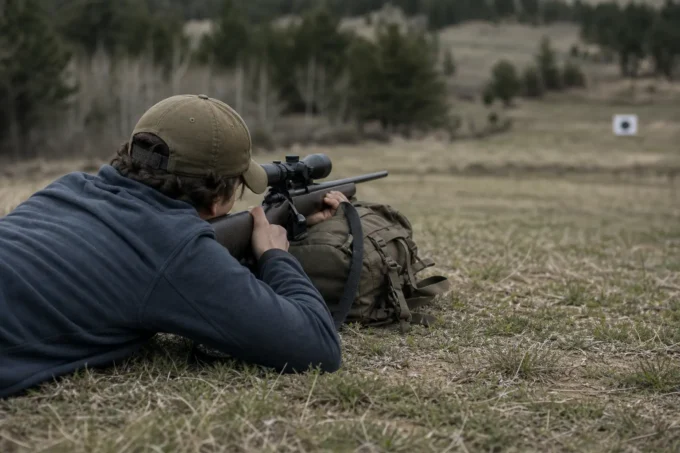
After that season, I didn’t hunt for a year. Not because anyone forbade it — because I didn’t trust myself. I spent that year at the range, but not just shooting paper. I practiced shooting from awkward positions. Prone on uneven ground. Kneeling behind a backpack. Standing with my sling wrapped tight. I practiced shooting when my heart rate was elevated — run a hundred yards, get behind the rifle, settle in thirty seconds, fire. I practiced until the mechanical part of shooting was so automatic that I could do it through the adrenaline.
The One That Finally Came Home
The following November, I shot a doe at a hundred and twenty yards. Shot entered just behind the shoulder, exited clean, and the deer ran maybe forty yards before piling up. I didn’t feel triumph when I walked up to her. I felt relief. And then something quieter — a kind of gratitude I didn’t really have words for at seventeen.
I knelt next to her for a minute. Thanked her. Tagged her. Got to work. My uncle showed up with the ATV about an hour later. He didn’t say much. Just nodded. That nod meant more than any congratulations he’d given me before, because this time I’d actually earned it.
I’ve taken a lot of deer since then. Most of them clean. A couple of them not — and those still keep me up at night sometimes. That’s hunting. Anyone who tells you they’ve never made a bad shot is either lying or hasn’t hunted enough. The difference isn’t whether you make mistakes. It’s whether you learn from them.
What I Tell New Hunters
If you’re reading this and thinking about hunting for the first time, here’s what I want you to know. The shooting is the easy part. What’s hard is everything that comes before and after: the hours of stillness, the decisions about whether to take the shot or let the animal walk, the tracking, the field dressing, the packing out, and the weight of knowing you chose to end a life for food.
Don’t rush any of it. Shoot paper until you’re bored of paper, then shoot steel, then shoot from your knees and your belly and the side of a hill. Practice with the exact rifle and load you’ll hunt with — no shortcuts. If you don’t have a rangefinder, practice judging distance until you can call a hundred yards within five. On the day of, if your heart is pounding so hard you can’t settle the crosshair, wait. The deer will come again. A bad shot doesn’t get rewound.
And when you do take an animal — cleanly, humanely, the way you trained for — take a moment before the photos. You earned the deer, but the deer gave you everything. Remember that.