
The Officer Who Asked About the Rifle
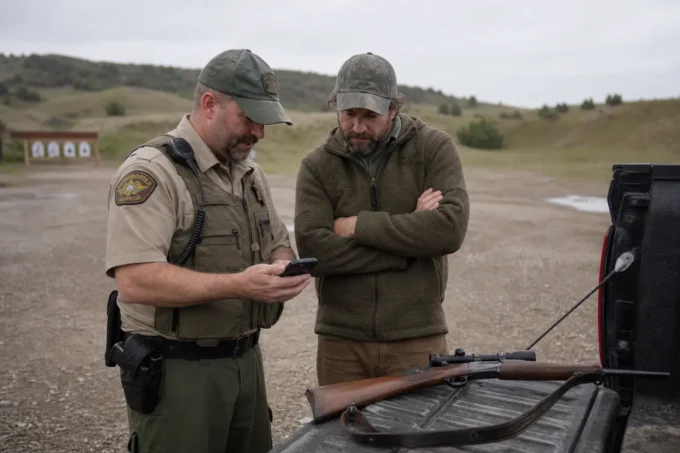
The warden stopped us at the public range because he liked seeing people sight in before season instead of after it. We bullshitted for ten minutes about bullet weights and wind before he asked what I was planning to hunt grouse with this fall. I told him about the combination gun I had finally decided to carry, a single barrel over a rifle barrel. He went quiet for a second, which in my experience means a warden is about to hand you a version of your own day that you did not order.
He pulled up the regulation book on his phone and showed me the page. I read it twice because the first read felt like a trick. Then I read it a third time, slower, and realized that for more than twenty years I had been quietly breaking a law I had never suspected existed. So had half my friends. We had all been out there with the same rifle, feeling like responsible grown men, and none of us had ever bothered to read the thin book that was supposed to keep us that way.
The part that sat wrong was not that the law was there. It was that I had built an entire identity as a hunter who does things right, and the cornerstone of it was a stack of habits nobody ever checked against the rules because the rules were assumed to be obvious. They were not. They were old and specific and written by people who had arguments I never heard. I had been grandfathered into whatever they decided by nothing more than never opening the book.
The Law Nobody Enforces
What made it worse was how easy the rule was to mock once I knew it. Rifle no, pistol yes. Same caliber, same bullet, same bird, and the only difference between legal and not legal was which chunk of metal wrapped the cartridge. My first instinct was not humility. It was to join the chorus inside my head saying this is exactly the stupid regulation that gives government a bad name out here.
And it is stupid, narrowly. But stupid laws are the easiest trap in the woods, because they let you off the hook. Once you decide a rule is silly, you do not have to think about what following it would cost you. You get to feel principled while doing whatever you already meant to do. That feeling is cheap and smells a lot like virtue, and I had run on it for years without noticing my rebellion was built entirely on not knowing the law existed.
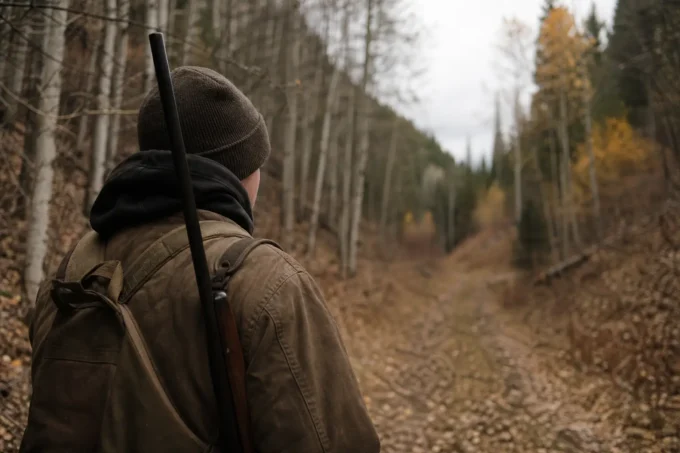
Nobody checks grouse rifles in the mountains. I have walked more birds out of cover than I can count and never once had a warden ask what I was carrying. The odds of getting caught sat between zero and a rounding error. That is the real test, and it has nothing to do with the law. It has everything to do with what kind of hunter you are when nobody is watching the barrel.
Rules That Were Written for Someone Else
The deeper I dug, the more I noticed a pattern in my own head. I assumed every regulation existed to constrain somebody who was not me. Baiting bans were for the guys who dump corn by the truckload. Sunday closures were for a state I did not live in. Daytime restrictions were for poachers with spotlights. It was all a fence around other people’s bad behavior, and I had quietly put myself on the inside without earning the spot.
I never set out to break anything, so I told myself I was not the kind of person rules are written to catch. But rules are not written for people who mean well and can show a clean shot and a full freezer. They are written for people who mean well and still screw up.
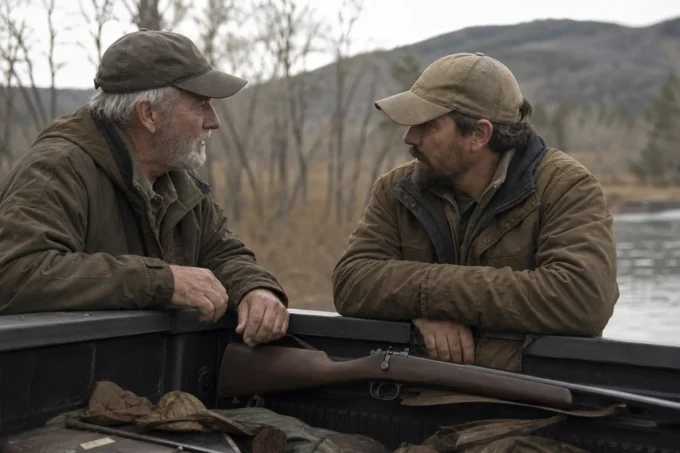
I have a buddy who has been hunting grouse with that same rifle since before either of us had gray in our beards. When I told him what the warden showed me, he laughed, then got quiet, then said the exact thing I had said in my own skull an hour earlier. It is a stupid law. Then he looked down at his hands and added the part none of us like to say out loud. He said it would not change what he carries, because nobody is going to check, and the state is not going to watch a twenty-year habit die. That is the conversation no regulation book can end for you.
What Self-Policing Actually Costs
Here is the thing nobody tells you when they hand you a license and a pat on the back. Being a good steward is not the part where you follow the rules you agree with. Anybody can do that, and that part is free. The expensive part is following the rules you think are dumb, the ones that only matter because you are the one who knows about them and nobody is standing there.
It costs me nothing to obey a law I like. It costs a little pride to obey one I think is badly written. For a lot of us, that small bite of pride is precisely the cost we refuse to pay, so we quietly decide the law is wrong instead of changing a rifle we love.
I am not going to stand on a stump and pretend every line in every state book is a sacred document carved by geniuses. Most were written by tired people in a conference room trying to fence a moving herd. Some are outdated and a few are flat ridiculous. But a law being bad is not the same as getting to be your own judge, jury, and warden in the timber. The first is a policy argument. The second is convenience wearing the costume of liberty.
The Thin Book Is a Mirror
What finally rearranged something in me was realizing the regulation book is not really about deer or grouse or barrel length. It is a mirror. It shows you exactly the kind of hunter you are when you think no one is looking, and that is the only picture that ever mattered, because the woods are empty of witnesses except the ones that were always you.
I went home and read the book. The whole thing, cover to cover, one cold evening with the kettle going and my boots still on the mat. I will not pretend I understood every clause or agreed with half of it. I disagreed out loud with at least a dozen lines, which is its own kind of progress, because before that evening I had never read enough to have an actual opinion. I had strong feelings about laws I had never seen, which is the purest form of being full of it I know.
I found a rule about headlamps, or checked-in campfires, or the number of inches an antler had to clear before it became legal. I forget which one. What I remember is the sudden, uncomfortable understanding that I had been treating the whole thing like a menu, taking the parts that made me feel like a steward and skipping the parts that made me change anything.
What I Carry Now
The combination gun still sits in the safe. I have not decided what to do with it, which is more honest than the certainty I used to carry like a badge. Sometimes I think I will sell it. Sometimes I think I will drag it out and argue with myself by the woodstove. The point is not that I found the one correct answer. It is that for the first time in twenty years, I am holding the question instead of assuming it was settled by the fact that I am decent.
Decency is not a substitute for knowing the law. It never was. The acres out there are not kept healthy by people who feel strongly about conservation. They are kept healthy by people who do the boring, invisible, nobody-will-thank-you work of reading the rules, checking their own habits, and occasionally changing something they loved because it was on the wrong side of a line somebody drew for a reason.
The warden never cited me. He just showed me a page and let my twenty years do the rest. If you have hunted long enough to call yourself a hunter, there is a version of that page waiting in your state’s book, some line you have been walking across for years without knowing it. You can find it the easy way, on a range with a guy who likes you. Or the hard way, alone, when it counts for more than a barrel length and a pride of habit.
The thin book is always there. The only question is whether you open it before the woods open it for you.