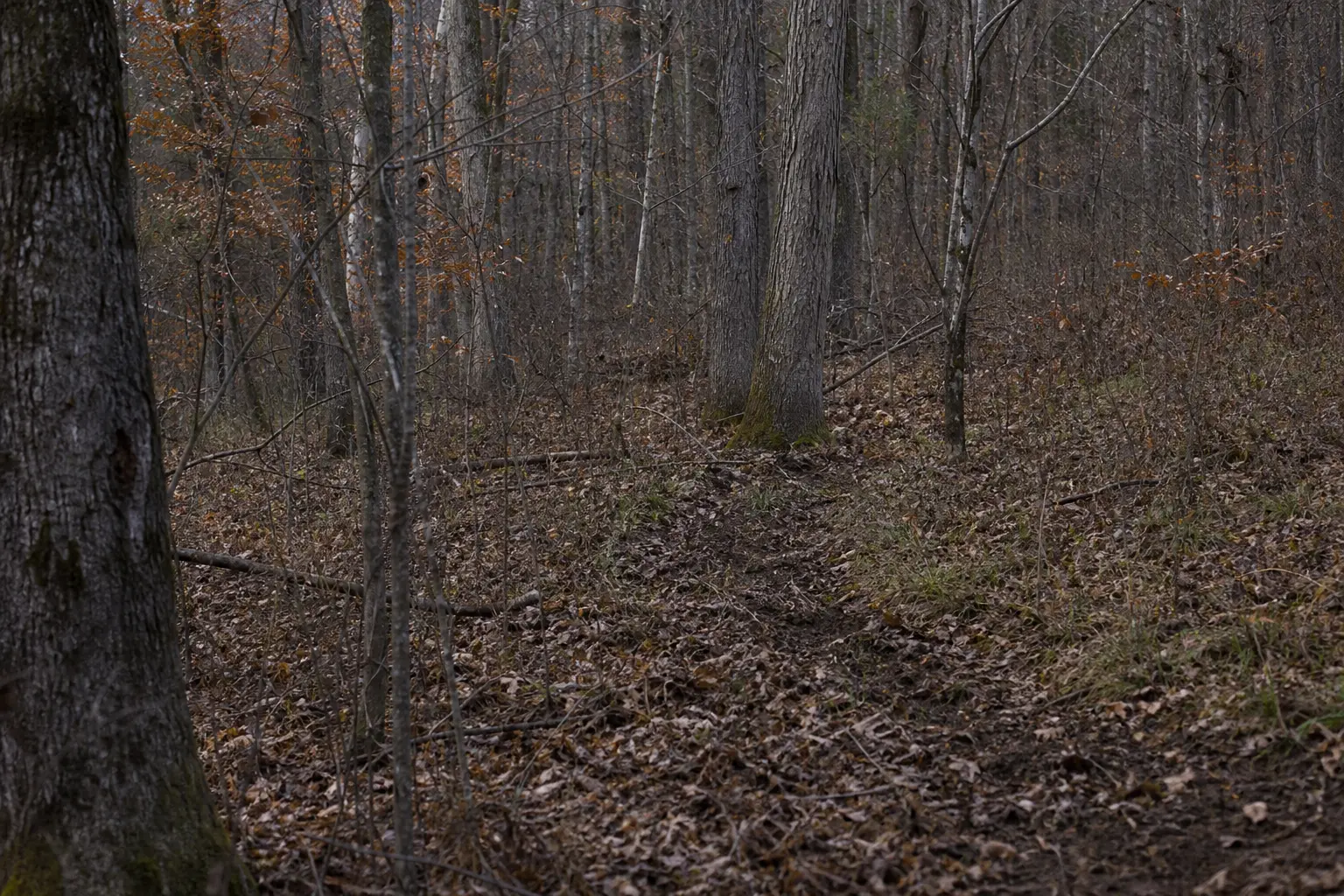
The Shot That Was Supposed to Be Over
Every hunter rehearses the clean one. The broadside deer, the breath held, the squeeze that puts a bullet behind the shoulder and drops it in sight. You picture the walk over, the knife, the light work, the drive home with the tailgate warm against your gloves.
Nobody rehearses the stomach shot.
It happened fast, the way the bad ones do. The doe quartered toward me at forty yards as the light went thin. I told myself I had the angle, that I had waited long enough, that a half second more would put her behind that oak and the whole morning back to zero. So I shot. And the deer hunched, kicked, and ran off with her tail down and her back legs working wrong, carrying something inside her that was supposed to have killed her and did not.
That is the moment the clean morning ends and the mess begins. The shot is over in a second. The rest is an afternoon you did not rehearse.
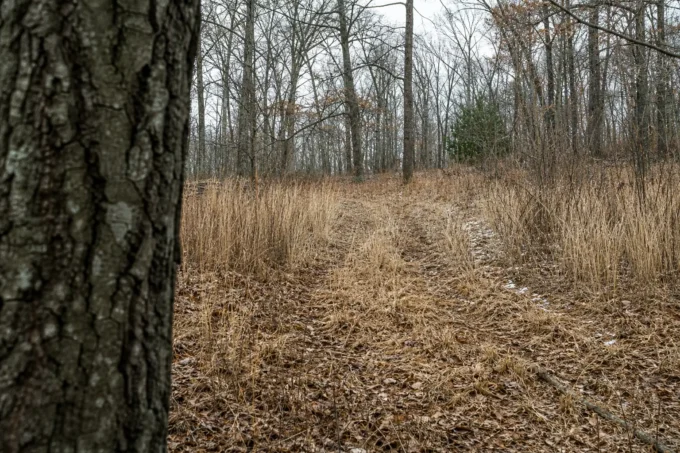
The Walk You Do Not Want to Take
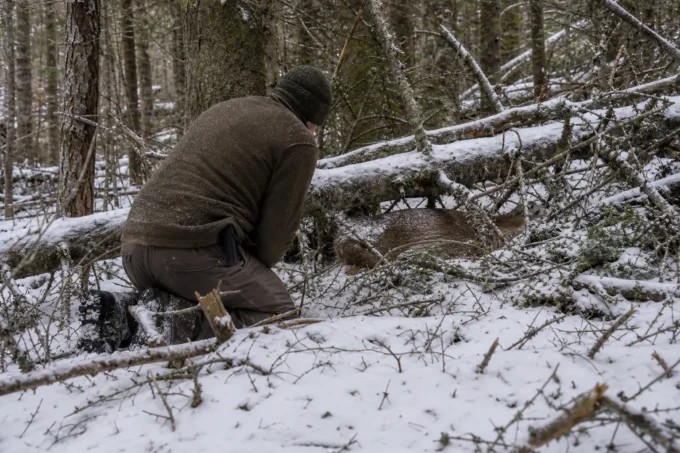
I found her inside the hour. That part went in my favor. She was bedded against a blowdown, still alive, watching me come. The second shot, the one at the head, was the easiest thing I did all day and the one I will never call a good one. It was not hunting anymore. It was finishing a thing I had started badly, and I did it because walking away was worse.
It was barely above freezing and there was snow on the ground, which I kept telling myself was a gift. Cold meat stays. Cold hides a lot of what you do not want to smell. I had the knife out before I thought about it, the way you reach for a tool when you do not want to look at what the tool is for.
What Comes Out of a Stomach
Field dressing a gut shot deer is not like the clean ones. There is no tidy handful of organs you set aside and rinse. There is a cavity full of the wrong kind of weather. Green, brown, bitter, hot in a way that has nothing to do with body heat and everything to do with whatever she had been eating before the bullet went where it went.
I got the guts out and I got them out fast, because every minute they sat in there was a minute that smell was soaking into meat I wanted to keep. And then I stood over her trying to figure out how honest to be with myself about what was still salvageable. That is the question the manuals never answer loud enough. They tell you temperature and time and anatomy. Nobody tells you how to stand there with your hands full and decide which parts of an animal you get to eat and which parts you just made a mistake out of.
The truth is I did not want to waste her. But I also did not want to be sick, and somewhere between those two I was making up rules as I went, which is a bad way to handle meat and a worse way to handle the feeling of having caused the mess in the first place.
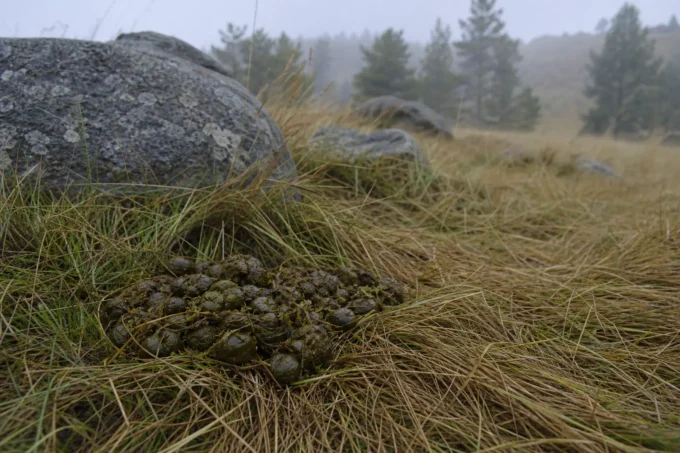
The Sniff Test and Other Things I Was Taught Too Late
An old man I know who has butchered more deer than I have shot told me once that your nose knows before your brain is willing to admit anything. Bile and gut contents do not hide. You can wipe and trim and convince yourself the hind quarters were spared, but the nose does not care what you want to believe. If it smells wrong, it is wrong, and no amount of dry wiping changes what seeped in overnight.
I learned the hard way that hosing a body down is not the answer either. You hear that rinsing spreads bacteria, that a wet rag pushes the mess around instead of getting rid of it. So I dry wiped what I could reach and hung her in the cold and spent the night doing math about tenderloins and membranes and exactly how much I was willing to trim to keep the backstraps honest.
The whole time I was doing that quiet arithmetic, I was holding a smaller, stupider truth out in front of me like a shield. The mess was not the deer’s fault. The deer was never going to be clean. I was the one who rushed the shot because I wanted the morning to be over before it cost me more light.
The Real Cost Is Not the Meat
There is a version of this story where the animal runs off and I never find her, and I spent years avoiding that version by telling myself I was a careful hunter. A gut shot is not the same as a lost deer, but it lives next door to it, and standing in the snow with a ruined cavity is close enough to smell the paint.
The meat, after all the trimming and sniffing, was mostly fine. Stomach is better than intestines, and cold is better than warm, and finding her in an hour is better than finding her at first light after a night of telling yourself she went to water. I got lucky in a lot of small ways that had nothing to do with skill. That is the part that sits wrong, even now, across a table from a plate of it.
What a gut shot costs you is not the meat. It is the story you have been telling yourself about what kind of marksman you are. The clean kills are easy to narrate. The gut shot forces you to sit with the fact that you pulled the trigger when you should have waited, and the animal is the one who paid the interest on that decision while you haggled over what was still worth keeping.
What the Deer Actually Taught Me
I will not pretend a bad afternoon turned me into a saint of shot placement. The next deer I took was clean, and I took it slower, and some of that was because I could still feel the weight of a cavity that should have been empty in a matter of minutes and instead took me most of a morning to sort out.
The real lesson was not about aiming. It was about the gap between the hunt you plan and the mess you inherit when you let impatience pull the trigger for you. Every hunter has a version of that gap. The ones who last are not the ones who never miss. They are the ones who, when they do it wrong, do the ugly work anyway: find the animal, finish it clean, field dress it in the cold, save what is honest, and carry home the rest as a debt instead of pretending it never happened.
The deer fed my family. That is true and I am grateful for it. But she also taught me something the clean shots never did, which is that the day you stop rehearsing only the pretty version is the day you start being the hunter you keep claiming to be.
I ate the tenderloins. They were fine, once I cut everything around them that had touched what it should not have. That is the end of the story that matters most to a hunter: not the shot, but what you are willing to do on your knees in the snow after it stops being anything you planned.