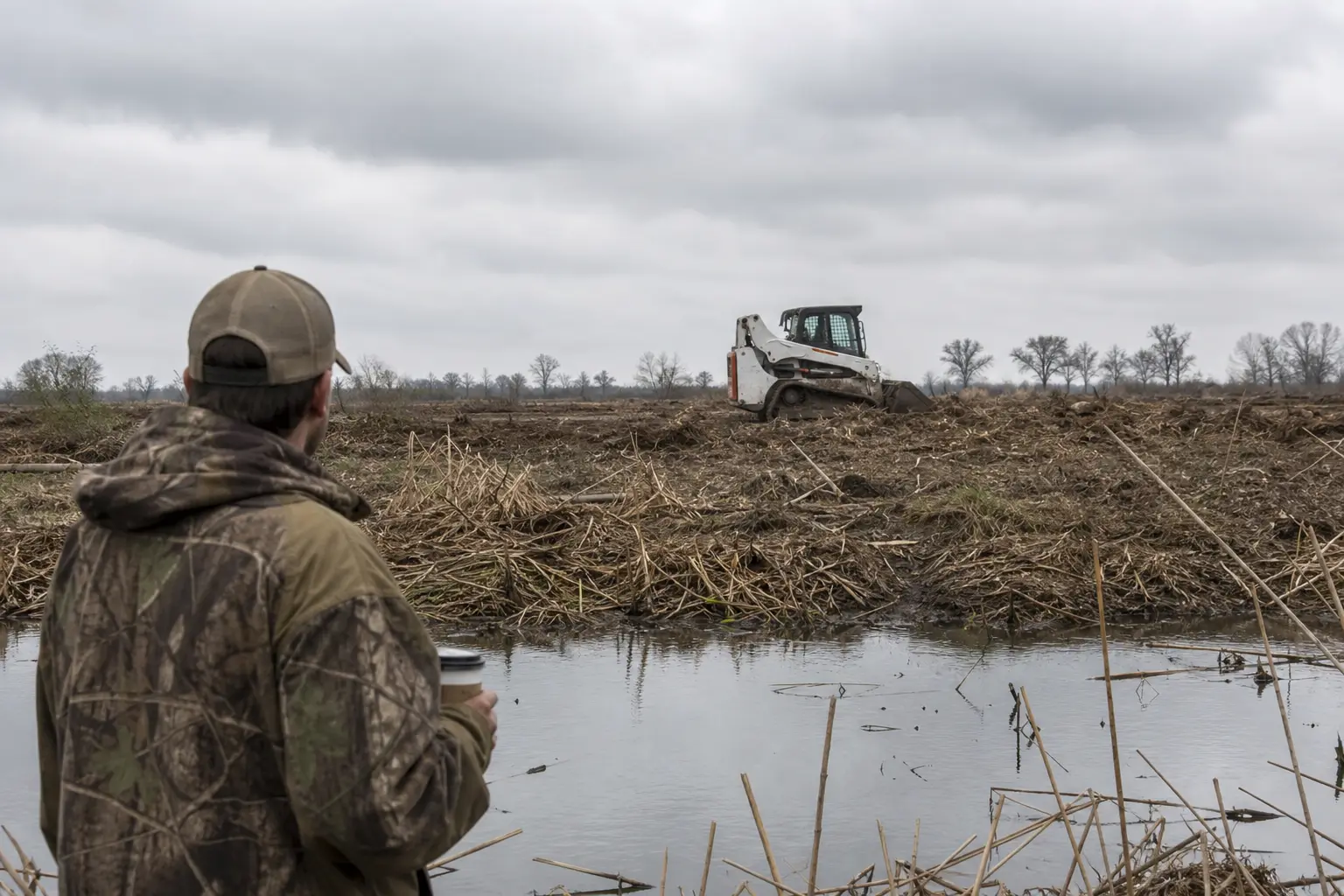
The day I lost my duck blind, I was standing in a parking lot holding a cup of gas station coffee and staring at a Bobcat that had already pushed half my marsh into a pile. The guy driving it waved at me. I waved back. What else are you going to do?
It was February in southern Louisiana, and I’d driven six hours from Texas to hunt the last weekend of the season. The marsh was a little 80-acre pocket of public-adjacent private land I’d been hunting for three years — nothing special to anyone but me and about four thousand gadwalls. I’d gotten permission from the landowner, an old Cajun named Mr. Thibodeaux, by knocking on his door and asking like my grandpa told me to. He’d said yes because I was polite and brought my own decoys and didn’t ask him to do anything except maybe not lease it to someone else.
The Bobcat meant someone else had asked and brought more than decoys. A developer had bought the parcel two months earlier. Mr. Thibodeaux didn’t mention it because he’d moved to Florida to live with his daughter. I found that out three phone calls later, standing in the same parking lot, coffee now cold.
The Thing Nobody Tells You About Losing a Spot
It’s not just the hunting you lose. You lose the mornings you spent watching the marsh wake up. You lose the dog’s first honest retrieve. You lose the spot where you missed a pintail so cleanly at fifteen yards that you still think about it in the shower. You lose a place that knew you, and you lose it to a drainage plan and a bulldozer and someone who looked at a marsh and saw a subdivision.
I drove home that weekend without firing a shot. Somewhere around Lafayette, I started doing the math I should have done years earlier. Louisiana loses a football field of coastal wetlands every hundred minutes. Every hundred minutes. That’s not a typo. The state has lost over two thousand square miles of marsh since the 1930s. I’d read that number a dozen times in DU magazines and never once connected it to the actual ground I was standing on.
I’d been hunting for eight years at that point and I couldn’t have told you the name of a single wetland conservation easement program. I knew what a gadwall looked like at 200 yards but I didn’t know what NRCS stood for. I was a conservation consumer, not a conservation participant. I bought my duck stamp every year — and I’ll be honest, I bought it because the guy at Academy Sports asked if I had one, not because I understood where that money went.
The Duck Stamp (and Other Things I Should Have Cared About Sooner)
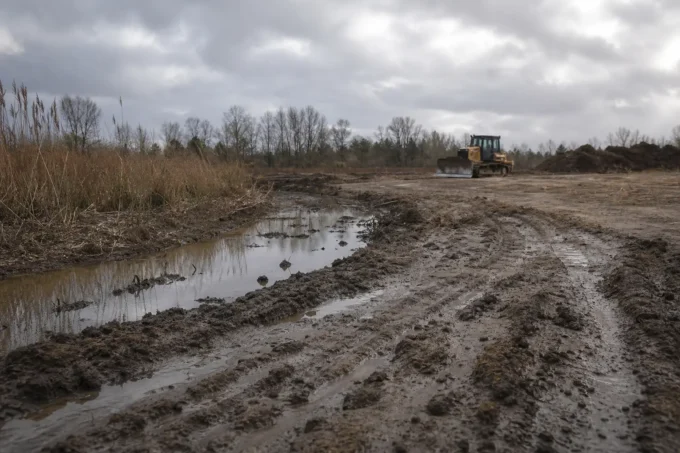
Here’s what I eventually learned, mostly because losing that marsh made me mad enough to read things: the Federal Duck Stamp program has raised over $1.2 billion and protected more than 6 million acres of wetland habitat since 1934. That’s not government money. That’s hunter money. Our money. Every duck stamp, every license, every box of shells with the Pittman-Robertson tax baked into the price.
The North American Wetlands Conservation Act — NAWCA, which I also couldn’t have named before — has funded over 3,200 projects covering 32 million acres. Every federal dollar gets matched by at least one non-federal dollar. It’s one of the most effective conservation programs in American history, and if you’d asked me about it three years ago I would have guessed it was a Canadian thing.
I’m not proud of how long it took me to care. I’m just being honest: I was the guy who showed up, shot limits when I was lucky, complained about the price of tungsten shells, and never once called my congressman about anything. I figured conservation was for other people — biologists, the guys with DU license plates, the ones who wear vests to meetings. I was just there to hunt.
But here’s the thing: the “other people” aren’t enough. They’ve never been enough. Hunters make up less than 5% of the U.S. population. Waterfowlers are an even smaller slice. If the people who actually use wetlands don’t show up to defend them, nobody else will. The mountain bikers aren’t going to fight for marsh habitat. The hikers aren’t going to write letters about CRP enrollment. That’s on us.
What I Started Doing (None of It Is Heroic)
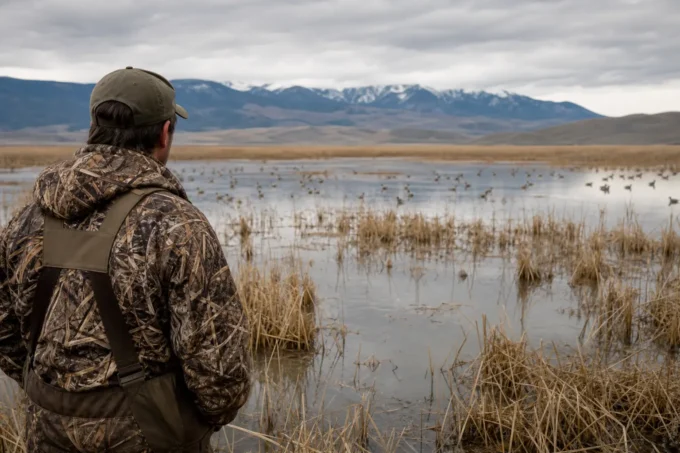
After that February, I joined Ducks Unlimited. Sixty bucks a year. I know — big spender. But membership numbers matter when DU goes to Congress. A million members saying “protect wetlands” hits different than a hundred thousand.
I started reading public comment periods on wetland-related rule changes. The EPA puts out proposed rules on Waters of the U.S. definitions — WOTUS, if you want to sound like you know things — and public comments actually get read. Not always heeded, but read. When a state wildlife agency proposes a new WMA or a change to waterfowl season dates, they take comments. It takes ten minutes. I’d never done it because I didn’t know it existed.
I started picking up my hulls. Not just mine — everyone’s. I know, real groundbreaking stuff. But I’d been stepping over empty Federal boxes in the marsh for years and never thought about what happens when a county commissioner visits that same spot and sees it. Access gets closed. It happens all the time. A landowner gets tired of the trash, or a neighbor complains, and suddenly there’s a gate where there wasn’t one before.
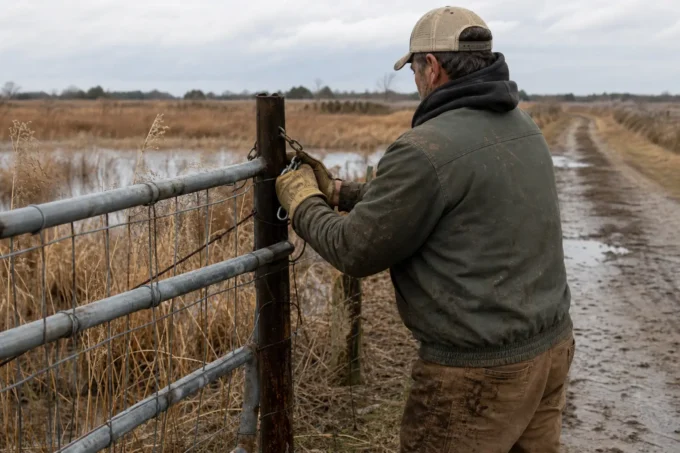
The biggest thing I did was start talking to landowners differently. Mr. Thibodeaux was the last landowner I lost this way — I wasn’t going to let it happen again. Now when I get permission, I bring a handwritten thank-you note after the season. I send a Christmas card. I offer to help with fence repair or ditch clearing or whatever needs doing. I’m not saying you have to become someone’s free ranch hand, but if you want to keep hunting private land in 2026, you need to offer more than just being quiet and not leaving gate open. Everyone offers that. The bar has to be higher.
The Part Where I Sound Like a PSA (Sorry)
Look, I’m not going to pretend I’m some kind of conservation hero. I still forget my duck stamp some years. I still skip meetings when I’m tired. I still get more excited about a new shotgun choke than a wetland restoration project, and that’s embarrassing to admit but it’s true.
But I did learn something from standing in that parking lot with cold coffee and a Bobcat demolishing my favorite marsh: you don’t get to be just a hunter. You don’t get to just show up, shoot, and go home. The land isn’t a vending machine. It’s a relationship, and relationships require showing up when it’s not fun — when there’s paperwork, when there’s a meeting, when there’s a public comment period with a deadline next Tuesday.
I don’t know what marshes you hunt. Maybe you hunt timber, or CRP in the Dakotas, or coastal bays in Maryland. Maybe you don’t waterfowl at all — maybe you chase whitetails in Ohio or elk in Colorado. The math is the same everywhere. Land gets lost. Access gets closed. Habitat gets paved. And the only people who can stop it are the ones who use it.
There’s a new marsh I hunt now. It’s not as good as the old one. The gadwalls don’t decoy as clean, and the walk in is twice as long, and I found six Bud Light cans in the parking lot last season that I threw in my truck because apparently that’s my job now.
But I still have it. And if some developer ever looks at that marsh and sees a subdivision, I want to be the guy who can say I did everything I could to keep it wild — not the guy in the parking lot, waving at a Bobcat.