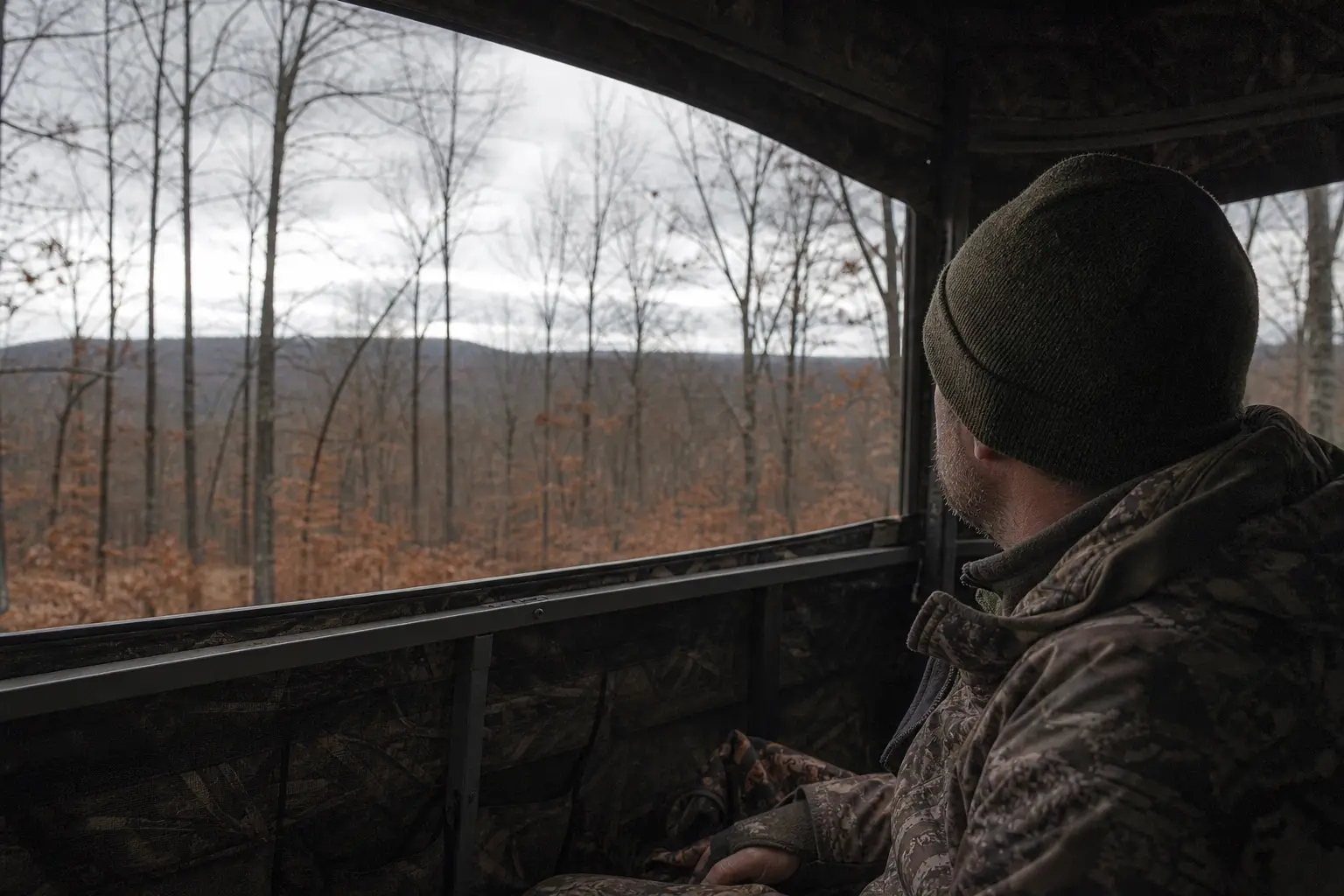
The Scoreboard That Ate the Season
There was a year when I charted out hunting like it was a second job. Opening day highlighted on the kitchen calendar in red. Trail camera batteries on a spreadsheet. A folder on my phone full of maps, weather windows, and buck pictures with little notes scrawled under them like scouting reports. I had gotten good at the machinery of the whole thing. I had also, somewhere along the way, forgotten why I was doing any of it.
It started with the mornings. The alarm would go off in the dark and I would lie there doing math. How long to drive, how long to walk, how much time before work, whether the wind would even cooperate, whether the deer were moving at all. Somewhere in that arithmetic the excitement went missing. I would still get up, because the season was open and a real hunter goes. But I was going the way a man reports to overtime.
That is the thing nobody warns you about. Nobody writes the article about losing the fire. The magazines are all success photos and big racks, so you assume the only failure is coming home empty. Nobody talks about the quieter failure, the one where you come home with meat and still feel like you somehow wasted the day.
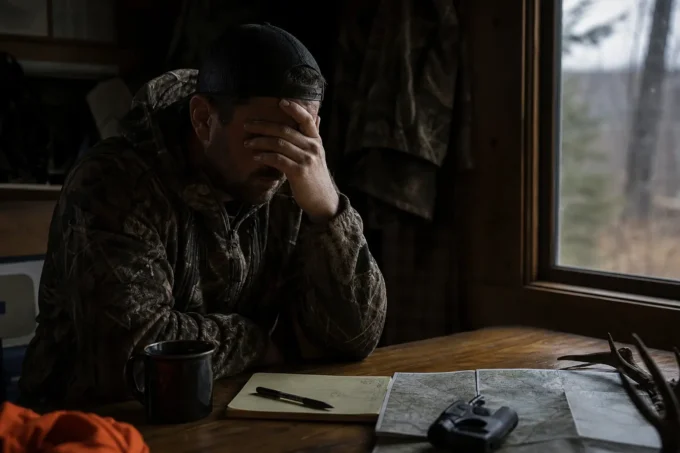
When the Stand Turned Into a Waiting Room
By midseason I had turned my favorite stand into a waiting room. I would climb up, settle in, and immediately start negotiating with myself about how long I owed the woods before I could reasonably leave. One hour felt fair. Two felt generous. If nothing showed by nine, I told myself the sign was old and the deer had moved on, which was a story I invented to make leaving feel like a decision instead of a surrender.
I checked my phone more than I checked the edges. I kept a running tally in my head of what a good hunter would be doing, compared to what I was actually doing, which was mostly sitting still and feeling the cold creep up my back and waiting for something to justify the effort. The deer, of course, were not consulting the same scoreboard. They were just out there being deer, and I had stopped being willing to meet them on their terms.
The worst part was that I remembered what it used to feel like. The crawling-into-a-deer-stand-at-six-years-old feeling. The way a snapped twig used to make my whole body go electric. I could remember it exactly, the same way you remember a song you loved before the radio played it to death. And I could not find a road back to it, no matter how many miles I put on the truck.
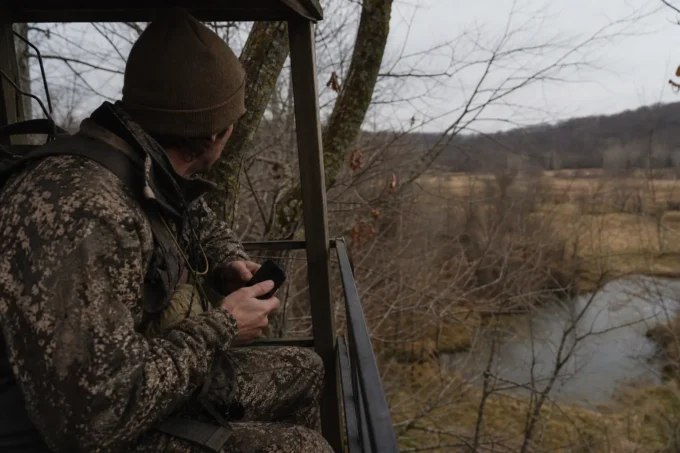
The Hunt I Almost Didn’t Take
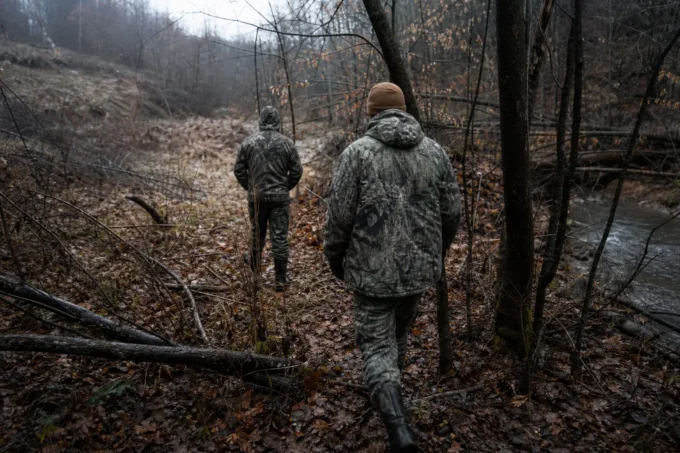
There was a Saturday in late November when my brother texted and asked if I wanted to go. Not the whole weekend, not some elaborate backcountry plan. Just a quick hunt on a piece of public ground near his house. I almost said no. It was going to be cold and wet, and the spot was nothing special, just ragged timber and a creek bottom that had been logged a few years back. No trail cameras, no scouting, no plan beyond walking in and seeing what happened.
That, I realize now, was exactly why I should have gone. And something small in me, some stubborn leftover of the kid who used to count the days until opening morning, made me say yes.
We walked in before light without talking much. No apps, no wind checker, no arguments about where the deer were. Just two guys moving slow through wet leaves, because that is what you do in November if you love it or not. And for the first hour it felt like every other hunt I had been sleepwalking through. I caught myself checking my phone on autopilot. I put it back in my pocket and left it there, which was harder than it should have been.
The Thing That Showed Up With Nothing to Prove
Around eight, a doe stepped out of the cedar line about seventy yards downwind. She had no idea we were there. She browsed a little, lifted her head, and went back to eating. There was no drama to it. No monster buck, no screaming hormones, no moment that would make a magazine cover. Just a deer doing deer things on a gray, unremarkable morning.
And I sat there and watched her for a long time without thinking about anything at all. Not the scoreboard, not the drive home, not the other spot that might be better. Just the deer. The way she moved her ears, the way the little muscles in her neck worked when she chewed. It was the first time all season I had actually been present, and the ridiculous thing is I almost missed it because I had spent so long trying to turn hunting into a thing that had to produce something.
We ended up taking a small buck later that morning, nothing to brag about. A decent fork-horn that wandered into the creek bottom on a string of bad luck. The shot was clean and the work afterward was ordinary. But on the walk out, carrying half the load with my brother and not saying much, I felt something I had not felt in a long time. Not pride, exactly. Relief. Like I had finally remembered the password to a door I had been standing outside all season.
Losing It Was Never the Point
Here is what I think happened. Somewhere along the line I started treating hunting like a sport that owed me results, and when the results got thin, the sport started to feel like an obligation. I budgeted my patience. I optimized my approach. I built a system for a thing that only ever worked when I stopped trying to game it. The deer were never the problem. They had been there the whole time, doing exactly what deer do. I was the one who had left.
Nobody tells you that losing the love of it is part of the deal, and that finding it again is not a grand rediscovery. It is a bad-weather Saturday you almost skip, a phone you force yourself to leave in your pocket, a doe that wanders out with nothing to prove, and the sudden, quiet realization that you are actually happy to be cold and wet. That is it. That is the whole secret, and it is hiding in the least impressive hunt you will ever take.
The Fire Does Not Need to Be Chased
I still get up in the dark, and some mornings I still have to talk myself into it. The difference now is that I know the talking is not a sign the hunt is over. It is just the grumble of a man who forgot that the point was never the scoreboard. The point was always the cold air, the wet leaves, the company, and the animal that shows up when you finally stop demanding that it perform.
Hunting did not need me to earn it back. It had never gone anywhere. It was patient the way the woods are patient, waiting in the timber for however long it took a grown man to remember that he used to love it for no reason at all. Some mornings the fire burns low, and that is fine. I go anyway. The fire comes back when it is ready, and it always comes back in the same place it started.