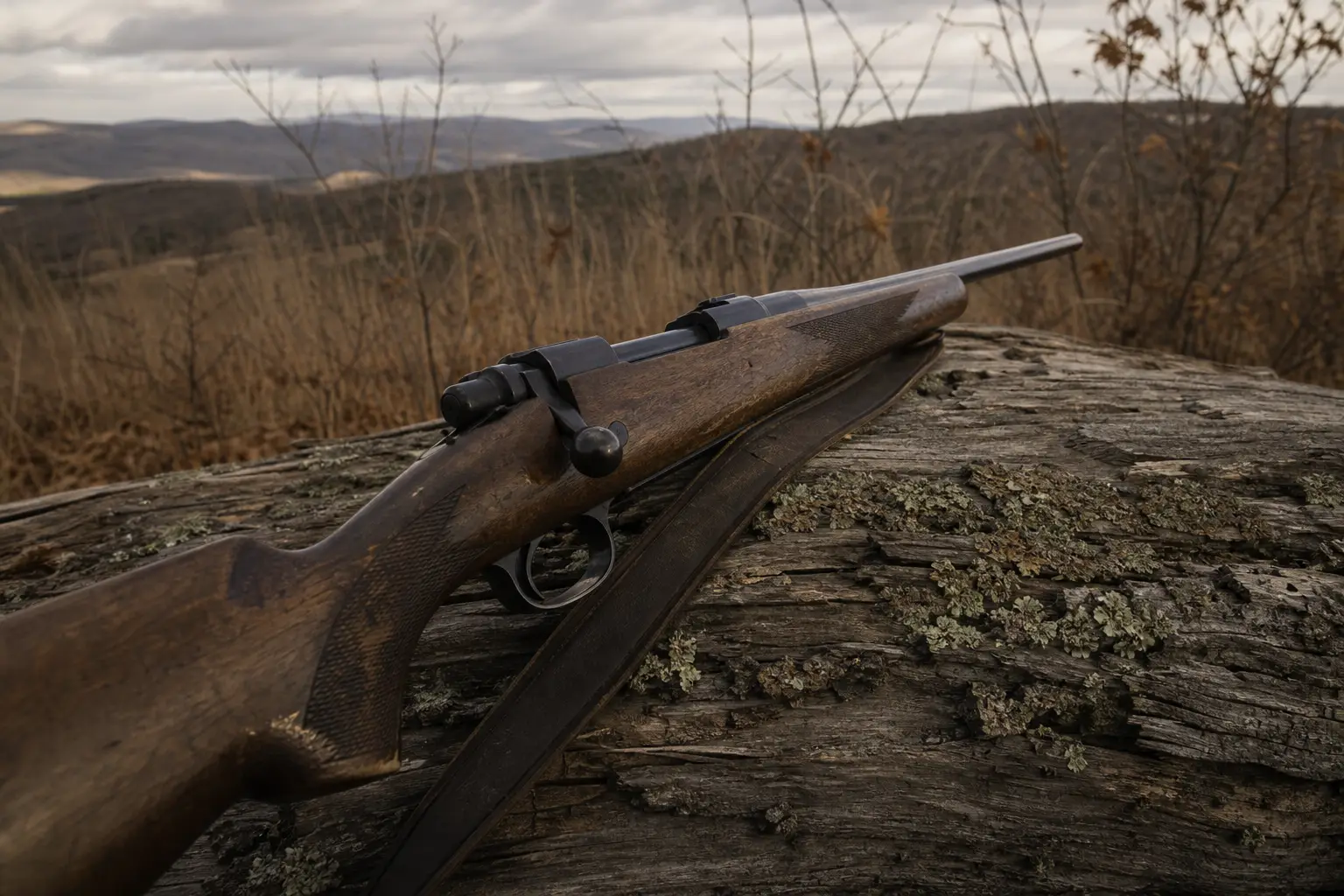
Grandpa left me a rifle when he died. I locked it in the safe and hunted with a black synthetic gun for eight years.
I told myself I was protecting it. That rifle was too nice for a November thicket, too nice to get rained on, too nice to ride in a scratched-up case next to a four-wheeler. It was a Remington 700 in .30-06, wood stock with a chip in the grip where his thumb sat for forty years, and the blueing was worn silver at the corners from his jacket sleeve. Every time I opened the safe I would look at it, close the door, and grab the ugly gun instead.
Here is the thing I did not understand until it was almost too late. A rifle in a safe does not carry anybody.
The Gun Was Never the Trophy
I treated that rifle the way you treat a signed jersey. Frame it. Keep the light off it. Never let it see weather. And for eight seasons I told myself that was respect.
It was the wrong kind of respect. Grandpa did not hang that gun on a wall. He carried it through oak scrub and across frozen creeks, and the reason the stock is smooth in the middle is because his hand lived there. The wear is the story. I had a gun that was already telling me how the man hunted, and I was keeping it in a box so nothing would happen to it.
What is the worst thing that happens to a working rifle? It gets a scratch. What is the worst thing that happens to a rifle nobody carries? It becomes furniture, and then it becomes a stranger’s find at an estate sale, and a teenager with four hundred dollars ends up wondering who shot all those deer.
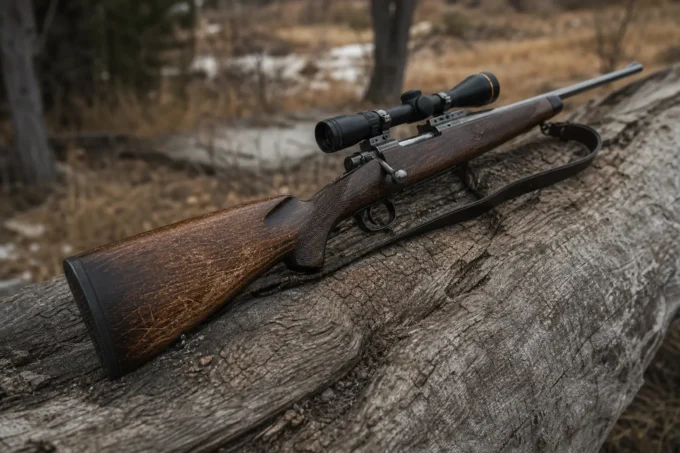
The First Time I Finally Took It Out
It was opening morning, second week of November, and my good rifle had a scope problem I did not want to deal with in the dark. So I opened the safe for grandpa’s gun for the first time in eight years, and I will be honest, I had to think about which way the safety goes.
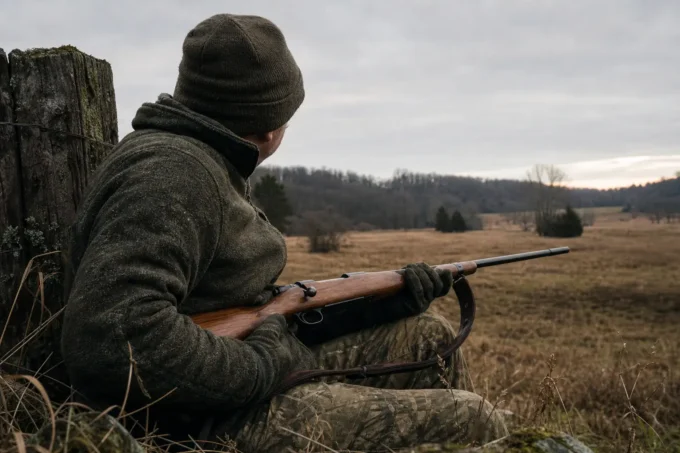
I did not check the zero first. That was the first dumb thing. I figured it was grandpa’s gun, it had killed a pile of deer, it would still shoot straight. I loaded up, walked in, and sat against an old fence post with that wood stock cold through my glove.
What I felt, sitting there, was not some big movie moment. It was more like the gun remembered my hand and my hand remembered the gun. The grip fit the way a boot fits after somebody else breaks it in for you. I sat there and thought about the man more in one hour than I had in the last three deer seasons combined.
The Shot I Was Scared to Take
A buck stepped out at about a hundred and twenty yards, a solid eight, and I froze for longer than I should have. With the black gun I would have shot already. With this one I kept thinking about the scratch, about the recoil, about all the ways I could ding it up doing a thing it was built to do.
That is the second dumb thing, and it is the one that matters. I almost passed a clean shot because I was afraid to use the tool. You can talk yourself into some serious nonsense when you have spent eight years convincing yourself a gun is an heirloom instead of a rifle.
The shot held low when he stepped into a gap. I do not know if the zero wandered over the years or if I flinched, but the hit was a little back, and I had to track him. Grandpa would have been patient about it. I was sweating and swearing and walking in too fast, which is how you lose a trail in dry leaves.
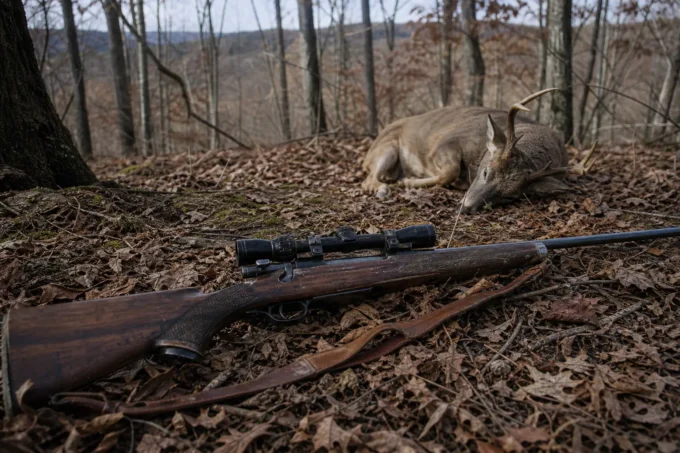
I found him a little over two hundred yards later, bedded down, and I finished the job clean. And then I sat there with my hand on that worn grip and I understood a thing I had been too thick to get for eight years.
What the Old Man Actually Left Me
He did not leave me a collector’s item. He left me a rifle, and the only correct answer to a rifle is to hunt with it. The scratches it picks up with me are not damage. They are the next layer of the story, the same way his were.
Now the gun rides in a scratched case. It has a new little mark on the forend from a fence wire. The blueing has a pale spot where my own sleeve rubs it. And every one of those marks is a day I carried the man with me instead of leaving him in a box in the basement.
Check your zero every year, that part is just good sense and I skipped it and paid for it with a bad hit. But the bigger lesson is about the safe. If somebody left you a hunting gun, take it out. Get it wet. Let it ride in the back of the truck. A working gun that never gets carried is just a sad thing waiting for an estate sale, and the man who owned it first would tell you the same thing, probably with a couple of cuss words attached.
The nicest thing you can do for an old hunter’s rifle is scratch it doing what it was made for.