The Arrow Was Already Gone
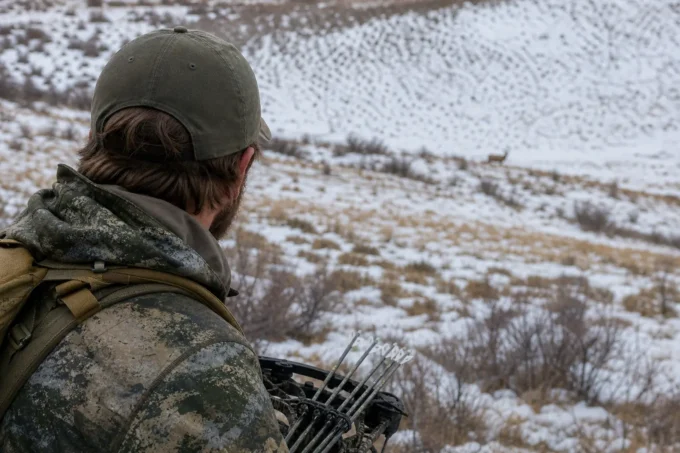
I let the arrow go before I knew what I was looking at. That is the whole story, but I spent four days telling myself a longer one. The deer came in alone, silent, the way every good deer does, and I did the thing I always do in that half-second before the shot. I did not look at the animal. I looked at the space where the shot would go, which is a different thing, and it is the difference that got me.
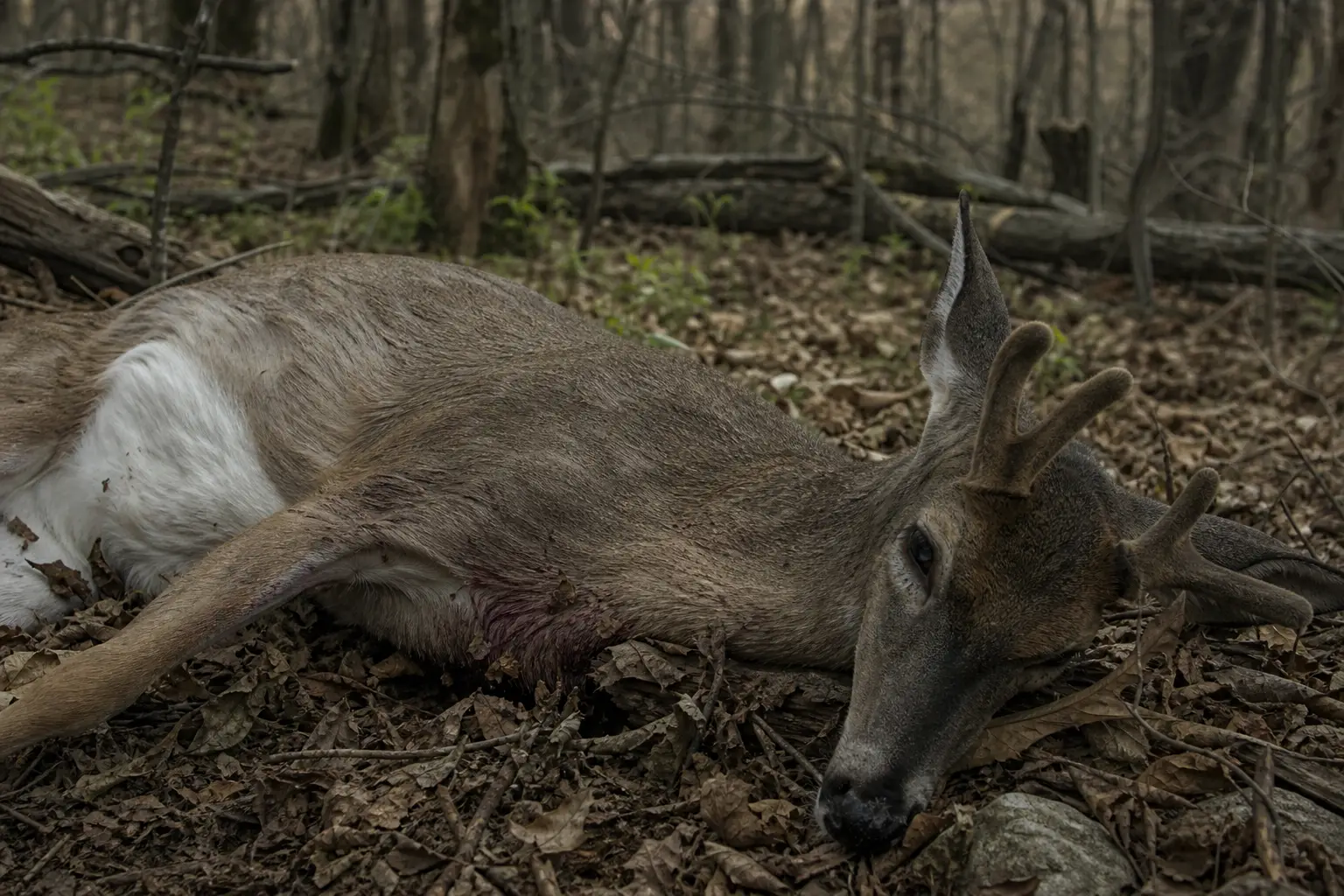
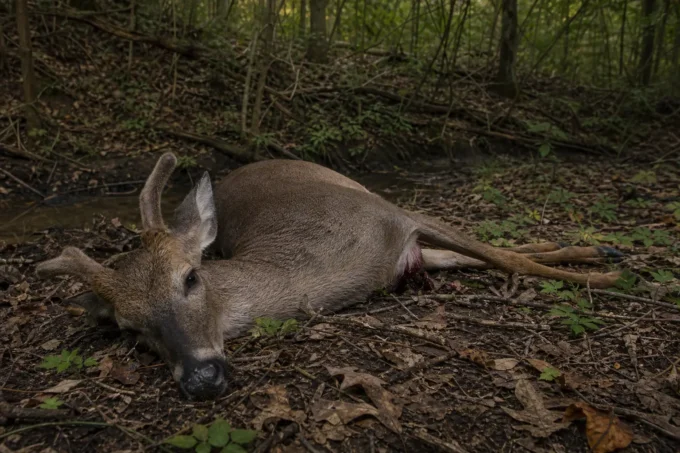
It dropped clean. Forty yards, lungs, down within sight. And when I walked up to it and rolled it over to dress it, I had no idea what I was looking at. A small rack, soft, still in velvet, strange like it had never hardened and would never shed. No color on the tarsal glands. The thing that should have been there or not been there depending on the answer was simply not there. I stood over my own kill in an Illinois creek bottom and could not tell you whether I had shot a buck, a doe, or something the deer rulebook did not have a clean page for.
A Question You Should Ask Before the Shot
The honest thing to say is that I harvested an animal I could not identify, and I did not care until it was already dead. Out loud that sounds like the confession of a fool, and it is. But it is also a confession a lot of fields could hear without the rifle. We shoot first and look after, and then we call the looking some kind of diligence, as if doing it backwards still counts.
In the moment, the only skill that mattered was one I had never practiced. Not judging distance, not holding the pin, not the release. The skill was slowing down far enough to actually see the animal before I made it into meat. I had ten years of shooting form and roughly zero years of pausing. The arrow being accurate is not the same thing as the decision being sound, and nobody hands you a target for that.
The Internet Had an Opinion Faster Than I Had a Field Guide
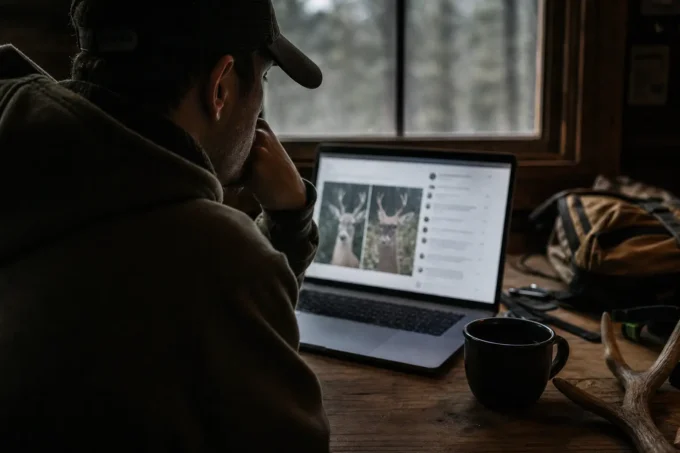
By that night the pictures were up and a hundred strangers were trying to name the thing I had already put in the truck. Intersex. A true antlered doe. A buck with undescended testes and no uterus. Somebody said the tarsals staying unstained meant the whole endocrine picture had gone sideways. Somebody else bet a paycheck there were testes hiding inside where the anatomy did not match the rack. It was, depending on the comment, a freak, a rarity, or a lesson in why you read the regs before you climb.
I sat there reading strangers argue about the inside of an animal I no longer had, and I felt like the only person in the thread who had not done his homework. Because I was. Every one of those comments was a version of the thing I should have known standing, only I had not known it, because knowing it would have meant slowing the whole thing down by about three seconds that I was not willing to spend.
What the Tagbooks Were Quietly Saying
The best comment was not about deer biology at all. Somebody from Pennsylvania pointed out that their state does not sell a buck tag. It sells an antlered tag. The word matters, because the state already figured out that an animal with antlers is not automatically the thing you think it is, and a hunter who assumes antler equals buck is a hunter building a mistake out of a shortcut.
That comment sat in the thread like a man clearing his throat in a quiet room. It was not dramatic. It was the small print on a tag that most people never read because they have been calling it a buck tag since they were twelve and their dad did the same. Somewhere in that word, antlered instead of buck, there is an entire field skill hiding. The skill of not assuming the animal is whatever the easy name for it is. The skill of reading the thing in front of you instead of the name you brought with you.
The Three Seconds I Was Too Proud to Spend
I know now what I would have seen if I had looked. A small dark rack that never lost its velvet all year. Glands with no stain. That deer would have walked off either way, arrow or no arrow, and I would have sat there with my heart drumming and my hands empty and my understanding intact. I would have spent three seconds and kept my tidy picture of how the woods are supposed to work.
But I did not want the three seconds. I wanted the arrow gone and the tag filled and the picture to show a hunter who did not hesitate. Hesitation, to a certain kind of shooter, feels like weakness, like the animal will sense it. So I treated the one moment that actually required judgment as if it were just an extension of the shot, one more thing happening fast and clean. It was fast. It was clean. It was also wrong, and clean does not pull the arrow back out.
Knowing What You Shot Is Not for the Story
Here is the part that stayed with me longer than the downvotes. Nobody needs to identify an animal after it is dead for the dead animal’s sake. The animal is past caring. You identify it because every question that comes after the shot depends on the answer. Which tag does it count against. Whether the meat is any different. Whether there is a reporting requirement you have just tripped over. Whether what you are about to tell your kids is true.
I dodged most of those questions because in my state the tag covered it either way, and because the meat went in the freezer regardless. That is the particular bit of luck that let me treat my mistake as a curiosity instead of a citation. Strip the luck away and the story is different. Strip the luck away and I am that guy in the thread somebody else screenshots. The only reason I am not is geography and the law’s willingness to use the word antlered before I got there.
The Skill That Has No Range Day
There is no range day for knowing what you are going to shoot. Nobody sets up a target that teaches you to identify a deer in velvet in November, or a deer whose glands do not stain, or the ten thousand ordinary white-tailed does that all look identical until you train yourself to see the differences. You cannot buy the skill in a bow shop and you cannot sight it in on Saturday afternoon.
It comes from exactly the kind of slow, deliberate, unphotographed looking that nobody brags about. From watching a deer at twenty yards and letting it walk because you are not done reading it yet. From flipping through the regs the night before season and noticing the state used a different word than you did. From standing over a kill in the dark and being able to settle, without the internet, what category of animal is cooling in front of you.
I am not that hunter yet. That is the truth I came home with, heavier than the meat. I can shoot. I can place an arrow where I mean to. But the field skill I reached for when it actually mattered was not one I had, and the deer paid for the gap. Next time I think I see a buck in the timber, I am going to spend three seconds reading it before I spend the arrow. Three seconds sounds like nothing until you try to buy them after, in the dark, over an animal with one small velvety rack and a body that will not answer the question I should have asked first.