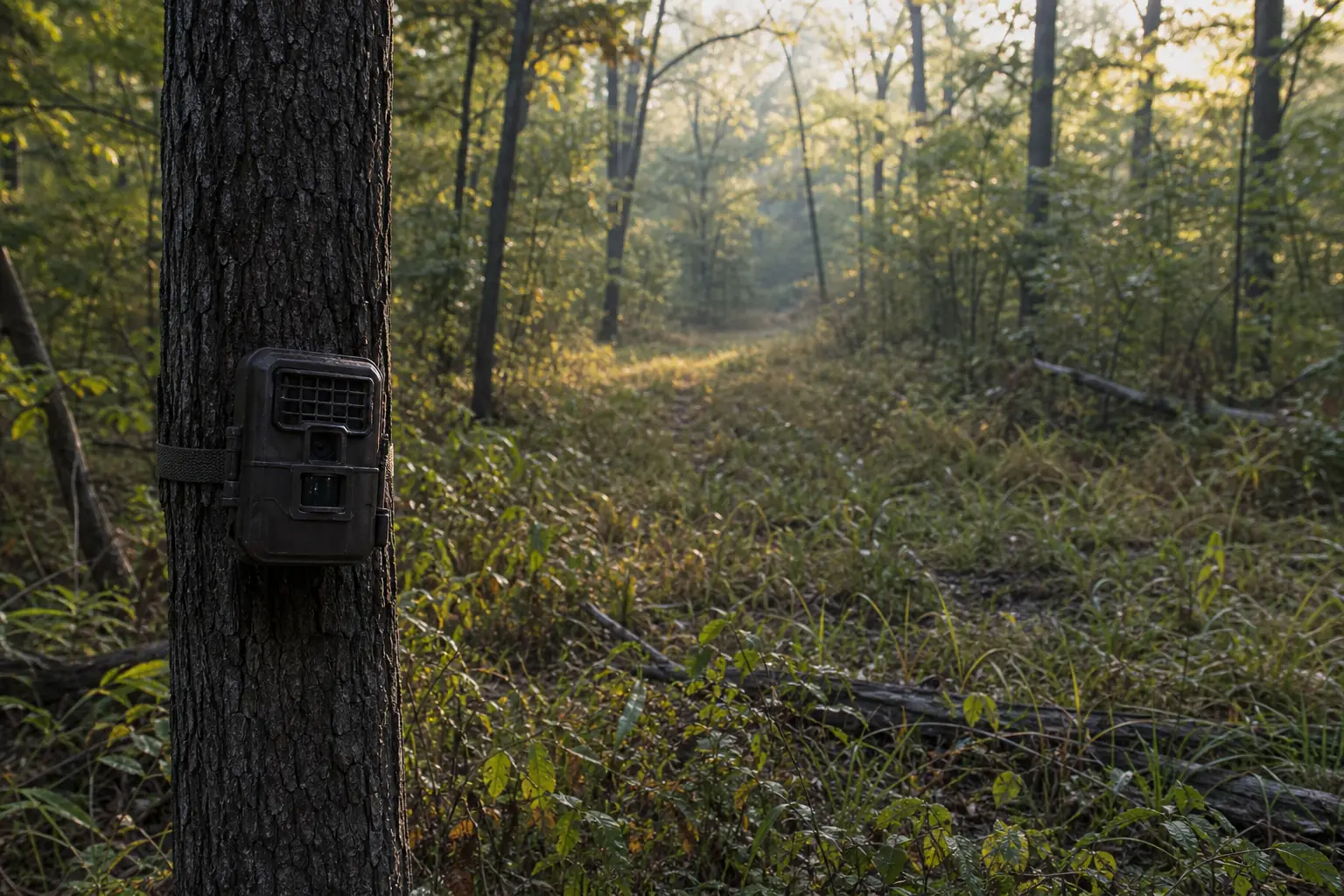
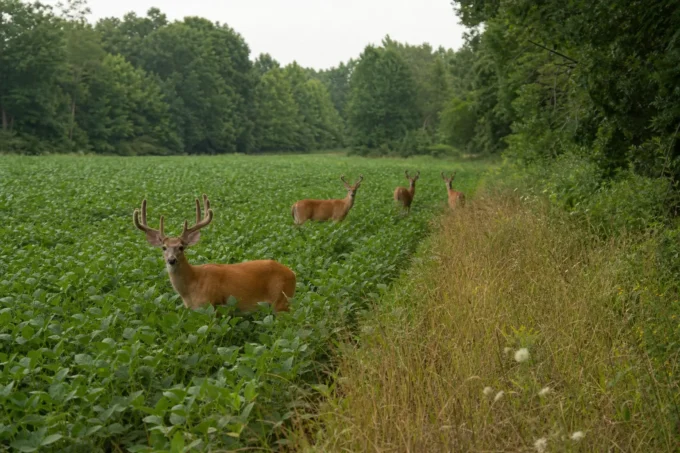
You have had him on camera all summer. A wide ten-pointer, same bean field edge, every third evening like clockwork. You have the data. You have the pattern. Then the second week of August hits and the card comes out blank. A squirrel. A raccoon. Nothing with antlers. You tell yourself it is a fluke. You check again four days later. Still nothing. By the third dead pull you start wondering if he crossed the county line or got hit by a truck.
The deer probably did not leave. Your camera simply stopped telling the truth.
This is the quiet panic that hits hunters across the country right now. August is when trail camera cards that were full of velvet bucks suddenly go cold, and the instinct is to do something drastic: move the stand, move the camera, burn a weekend scouting a new property. Most of the time that instinct is wrong. The deer is still there. He is just operating on a different set of rules than he was in July, and your camera is still tuned to the old ones.
The Summer Pattern Was Real. It Was Also Temporary.
July bucks are predictable because their world is small. Summer home ranges contract around high-quality food sources; a buck might spend weeks inside a few hundred acres if the soybeans are green and the water is close. Bachelor groups travel together because there is no reason not to. Testosterone is low. The social order is loose. A camera on a field edge during this window will catch nearly everything that uses that field, and it is easy to mistake that for a hunting pattern.
What you are looking at is a feeding pattern driven by the easiest groceries in the neighborhood, and those groceries are about to change.
What Changes in August (And Why Your Camera Goes Blind)
Food Sources Shift Hard
This is the biggest driver and the one hunters overlook most often. Whitetails cycle through food sources seasonally, and one of the sharpest transitions happens right as summer tips into early fall. Soybeans that were candy in July start turning yellow and losing palatability. By late August and September, deer begin switching to acorns, soft mast, and woody browse. The buck you had patterned on a bean field might now be feeding under a white oak two hundred yards into the timber. He moved his dinner table, that is all.
This shift is rarely dramatic. Research consistently shows that early-fall range shifts average about six hundred yards from summer core areas. That is close enough that he is still in the neighborhood, but far enough that a camera locked onto last month’s food source will miss him entirely.
Bachelor Groups Break Up
If you had four bucks visiting a mineral site every evening in July and now you have zero, this is probably the reason. As velvet sheds and testosterone rises, the summer social structure collapses. Bucks become territorial. They start sparring, making scrapes, and pushing each other around. The dominant deer claims the best bedding and the subordinates get pushed to the edges or off the property entirely. Your camera was monitoring a social hub that no longer exists.
This breakup can look like a mass disappearance when it is really just redistribution. Those three subordinate bucks did not vanish into thin air. They are now bedding on the neighbor’s property, or in that thick draw you have not bothered to hang a camera in because it looked too nasty to hunt.
Wind and Thermals Rewrite the Map
A trail camera lane that worked in July worked partly because the wind was cooperating whether you realized it or not. Summer thermals rise predictably. Prevailing winds tend to be consistent. But as fall approaches, shifting wind patterns and cooling evening thermals can turn a safe travel corridor into a scent trap. If your camera lane runs downwind of bedding cover and the fall breeze now pushes your scent straight into the secure zone, deer will reroute. Maybe twenty yards to the thicker side, where they can move with a nose full of information instead of a nose full of human odor.
And the scent problem compounds fast because every time you check that camera, you are walking in on the same approach, touching the same branches, and leaving the same olfactory signature on the same corridor. Deer learn routines. A mature buck does not need to see you to know you were there Tuesday afternoon.
The Camera Itself Becomes Part of the Problem
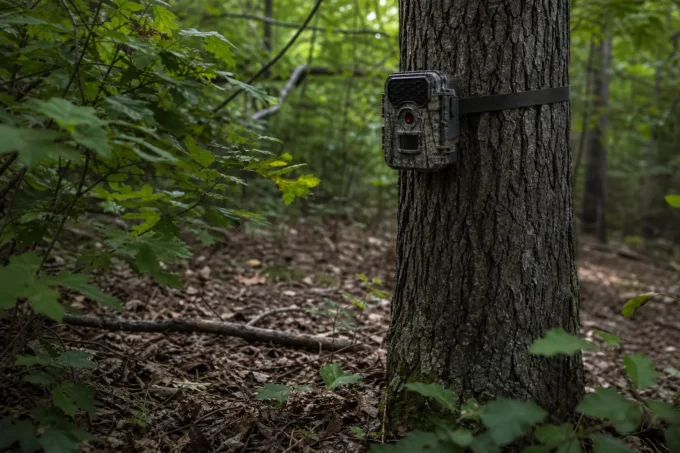
It is easy to forget that a trail camera is an alien object in the woods. It clicks. It emits IR. Its lens catches light at angles that nothing natural does. Some deer ignore cameras forever. Others learn what they are after one flash and start skirting them at the edge of the detection zone, giving you partial shots that look like the camera malfunctioned. The camera was working fine. The deer had just figured it out.
Add in a few weeks of human scent around the site from card pulls, angle adjustments, and the urge to check “just one more time,” and you have turned a low-impact scouting tool into a high-visibility intrusion. The deer stuck around. They just learned to avoid the mailbox.
Pressure Does Not Have to Be Yours
Sometimes your lane goes cold because of activity you do not control. A neighbor starts riding an ATV along the property line. A dog starts running the fence. Someone starts taking evening walks on the same access trail. A farmer starts cutting firewood in the adjacent woodlot. Deer notice all of it, and they adjust. A camera lane that sat on a safe edge in July can become a danger zone in August because something changed within earshot of the deer, even if nothing changed on your side of the fence.
What to Do Instead of Panicking
The mistake most hunters make when cameras go cold is overreacting. They move stands. They invade new bedding areas. They burn weekends scouting ground they do not know. Meanwhile the buck they were after is bedding three hundred yards away, living a quieter life than he did in July, and still perfectly huntable if you approach the problem calmly.
Glass Before You Move
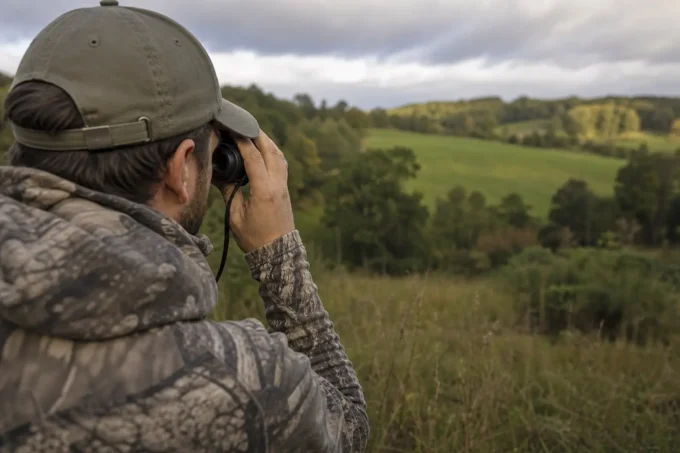
Before you relocate a single camera, spend an evening with binoculars on the field edges and timber transitions near your property. August evenings are long and deer are still moving in daylight. You may spot your buck feeding in a bean field you did not know was still green, or browsing acorns on a ridge you wrote off as dead ground. Glassing costs nothing and tells you more than a camera card pulled from the wrong tree.
Move the Camera, Not the Stand
The variable here is the camera, not the deer. If your field-edge camera went cold, move it to the nearest oak flat. If your mineral site dried up, try a trail hub between bedding and a water source. A shift of a hundred yards is often enough to reconnect with deer that never actually left. Keep your stand where it is until you have solid evidence the deer pattern has shifted for good, beyond the normal seasonal shuffle.
Check Less, Scent Less
The more often you visit a camera, the more you train deer to avoid that spot during daylight. If you are pulling cards every three days, stretch it to a week. If you are walking the same approach every time, vary it. Wear rubber boots. Do not touch branches at deer height. Treat every camera check like a mini hunt because to the deer, that is exactly what it is.
Accept That August Is a Transition Month
The single most useful thing you can do is reframe August in your head. Think of it as the month the deer reset, not the calm before hunting season. Everything you knew in July was real, but it had an expiration date. The deer that disappear from your cameras now are the same deer that will reappear in October on a different food source, a different trail, under a different wind. Your job in August is to stay flexible, gather new information, and trust that the deer are still around. They are. They just stopped reading the script you wrote for them in June.
The camera showed you the truth all summer. It just stopped being the whole story.